
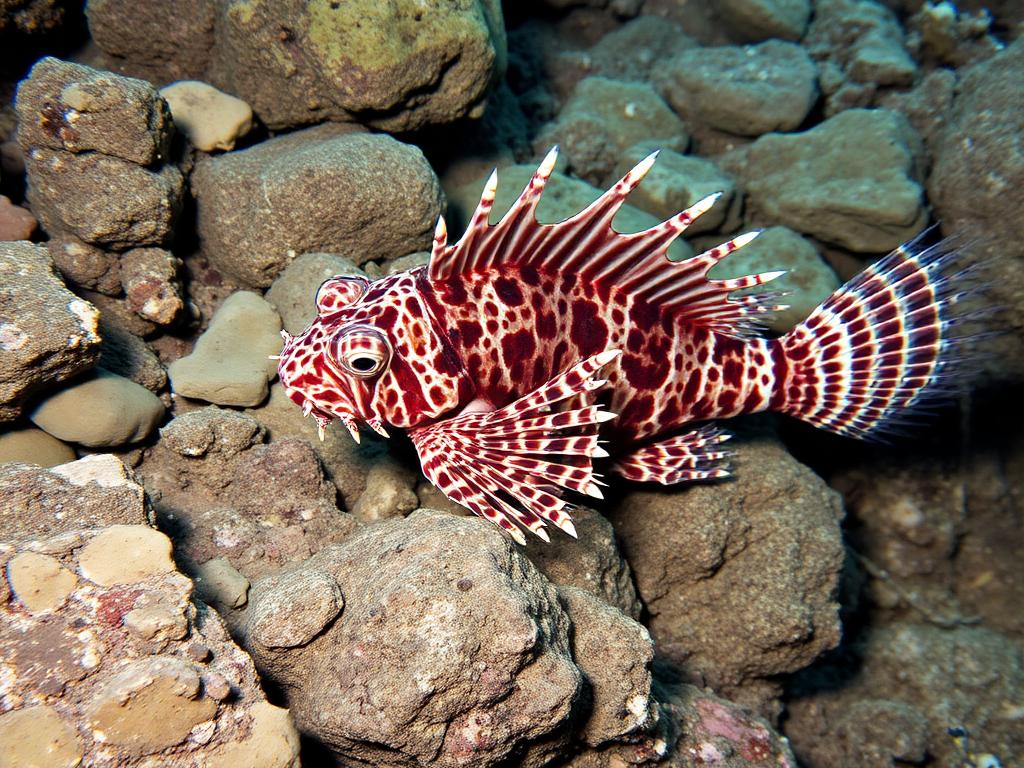
Devil Scorpionfish.
A superbly camouflaged ambush predator with venomous dorsal spines — nearly invisible on the reef until it strikes.
The devil scorpionfish, called nohu ʻomakaha, is one of the reef's most effective ambush predators. Its mottled red, brown, and cream coloring, combined with skin flaps and a lumpy body profile, make it virtually indistinguishable from the rocky reef bottom where it waits motionless for prey to pass within striking distance.
When a small fish or shrimp wanders close enough, the scorpionfish strikes with explosive speed — the entire attack, from opening its mouth to engulfing the prey, takes less than 15 milliseconds, making it one of the fastest feeding strikes of any vertebrate.
The dorsal fin spines carry potent venom that causes intense, radiating pain in humans. Stepping on a scorpionfish is considered one of the most painful injuries a reef-walker can experience. The Hawaiian name nohu reflects this danger — it was also used as a word for a type of spiritual attack.
Despite their fearsome reputation, scorpionfishes are an important part of the reef ecosystem. As sit-and-wait predators, they help control populations of small reef fish and crustaceans, and their camouflage abilities are studied by military researchers interested in optical concealment.
More species in this group.
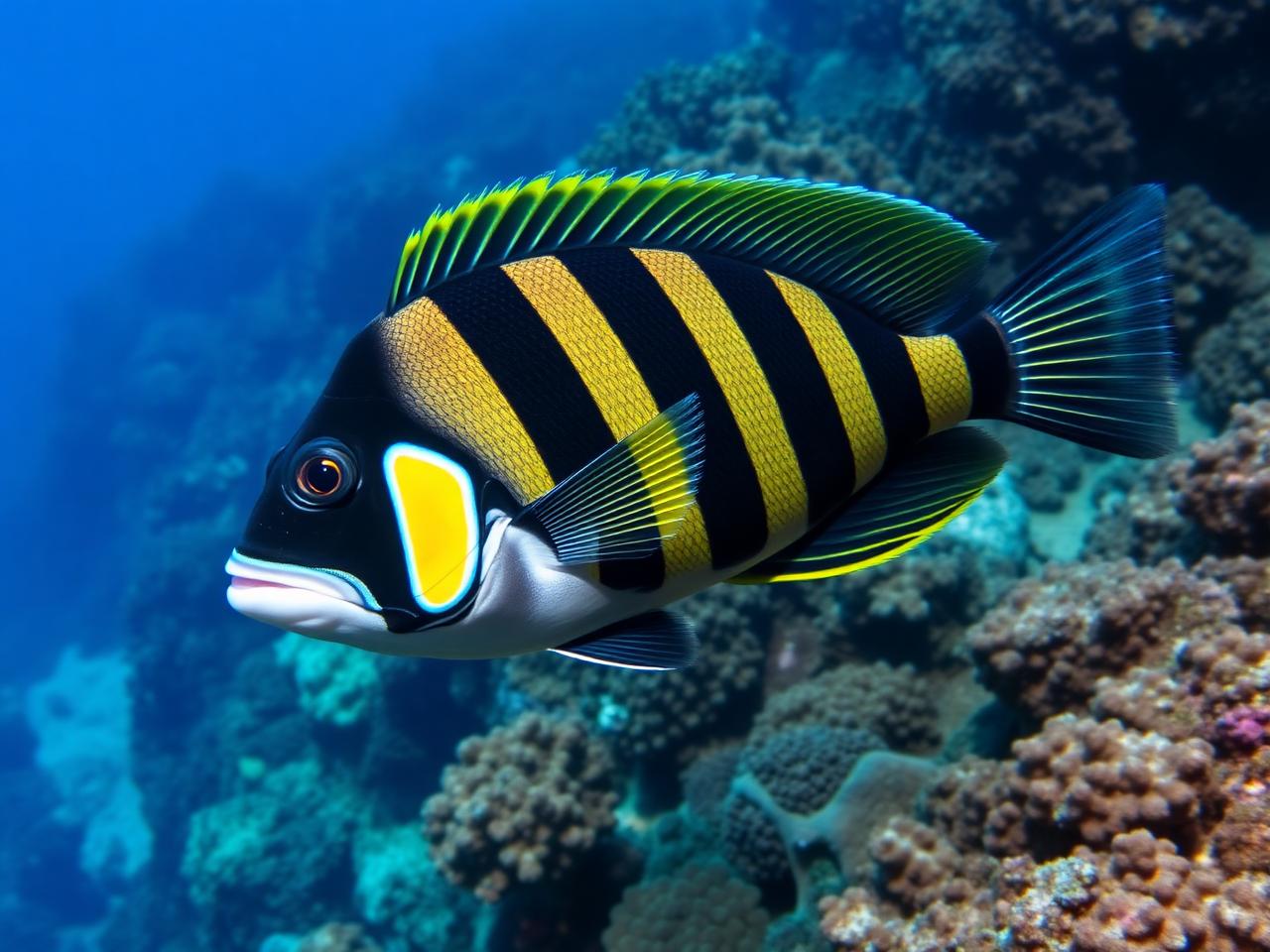
Humuhumunukunukuāpuaʻa
The reef triggerfish — Hawaiʻi's official state fish, with a name that means "fish that sews with a needle and grunts like a pig."
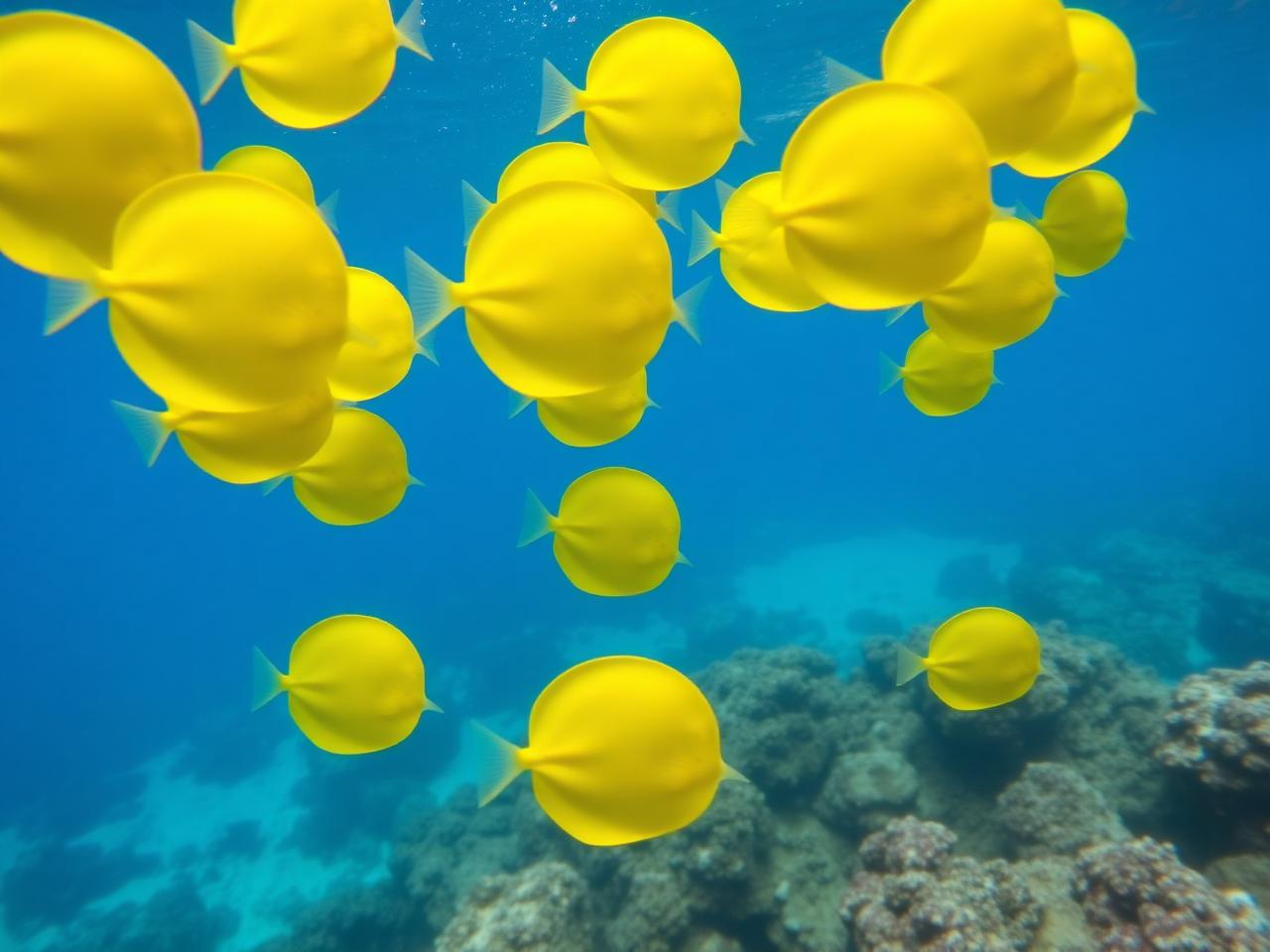
Yellow Tang
The vivid lemon-yellow surgeonfish that flashes through every Hawaiian reef — and one of the most recognizable fish in the world.
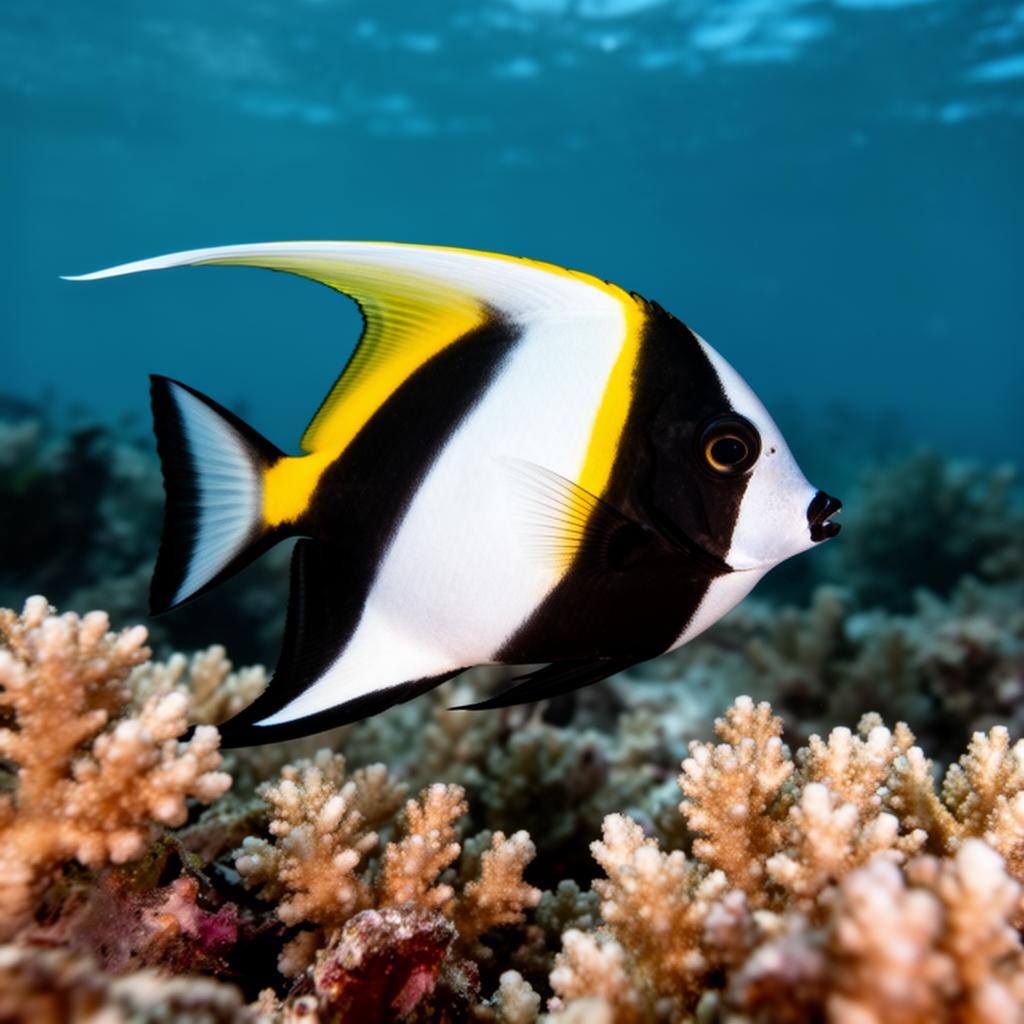
Moorish Idol
Iconic black, white and yellow reef fish with a long sweeping dorsal filament — solitary, mysterious, famously hard to keep in captivity.
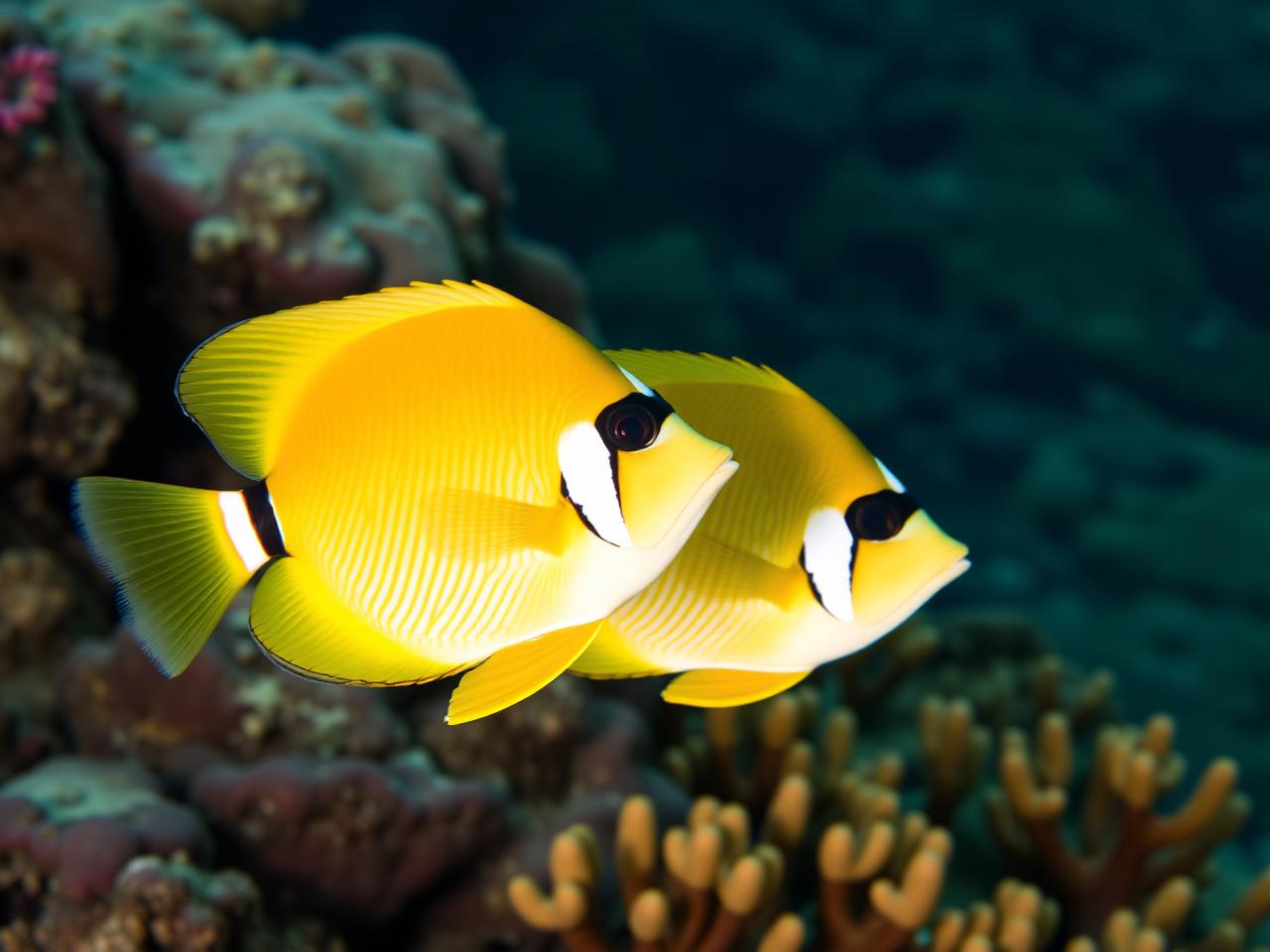
Raccoon Butterflyfish
Golden butterflyfish with a black bandit's mask. Often paired for life and one of the most common nighttime feeders on the reef.