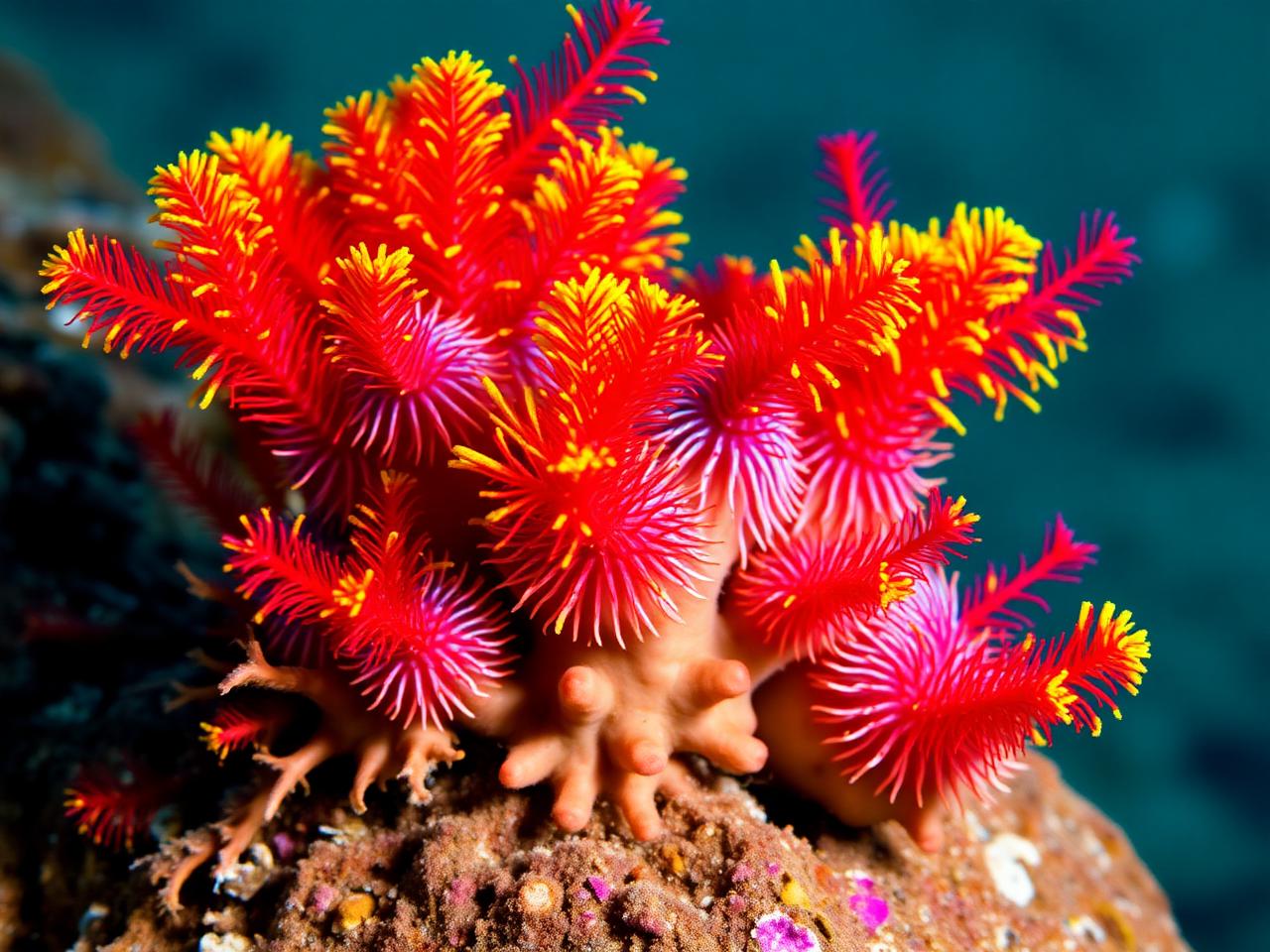
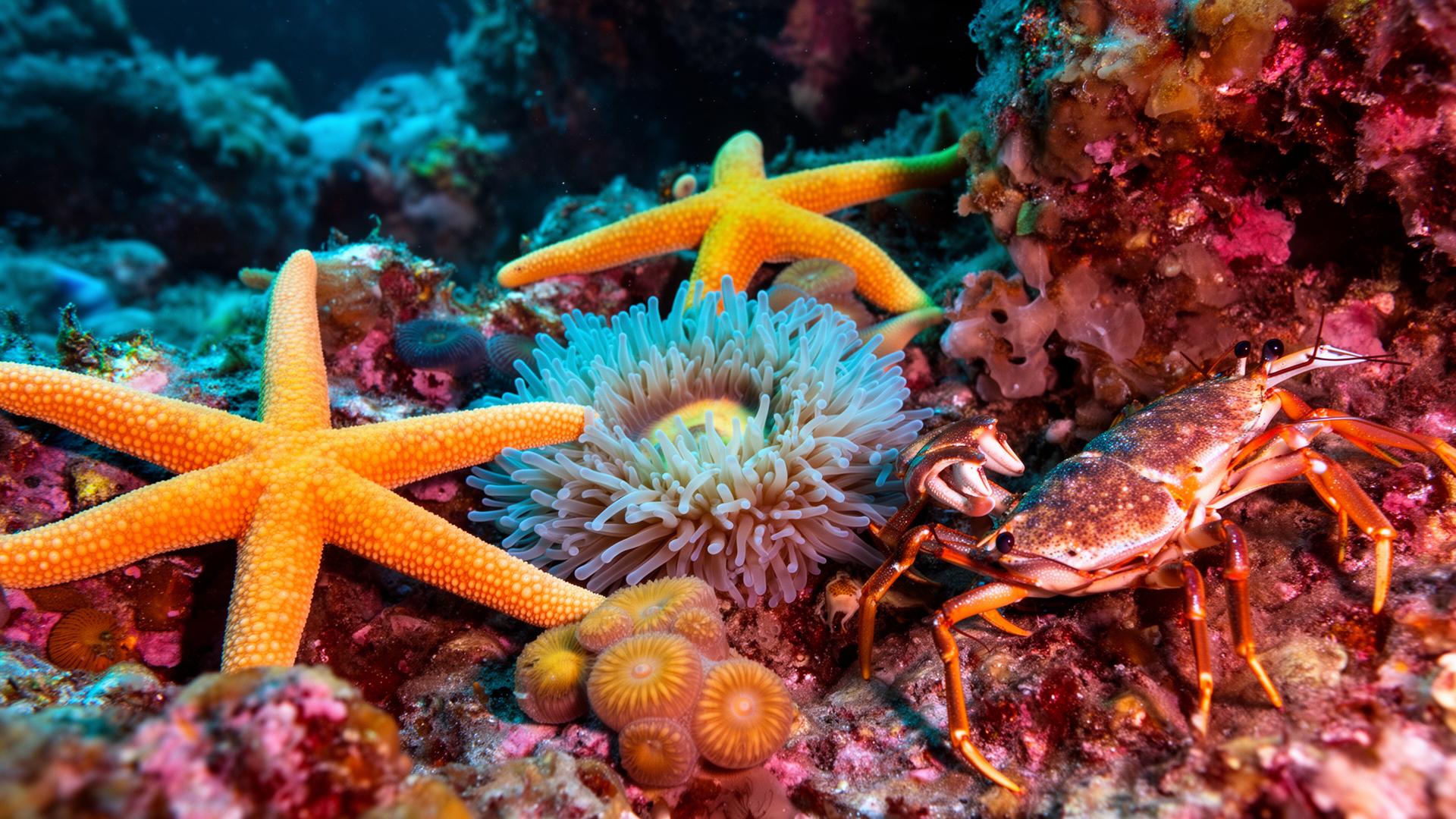
Meet the invertebrates.
Octopus, jellies, corals, sea stars and crustaceans, the animals that build and color the reef.
Invertebrates make up the vast majority of life in the sea. From the corals that build the reef itself to the octopuses that haunt its caves, these spineless animals are the unsung architects, decorators and inhabitants of every Hawaiian habitat.
25 species to meet.
Grouped by family. Tap any card for the full profile.
Molluscs
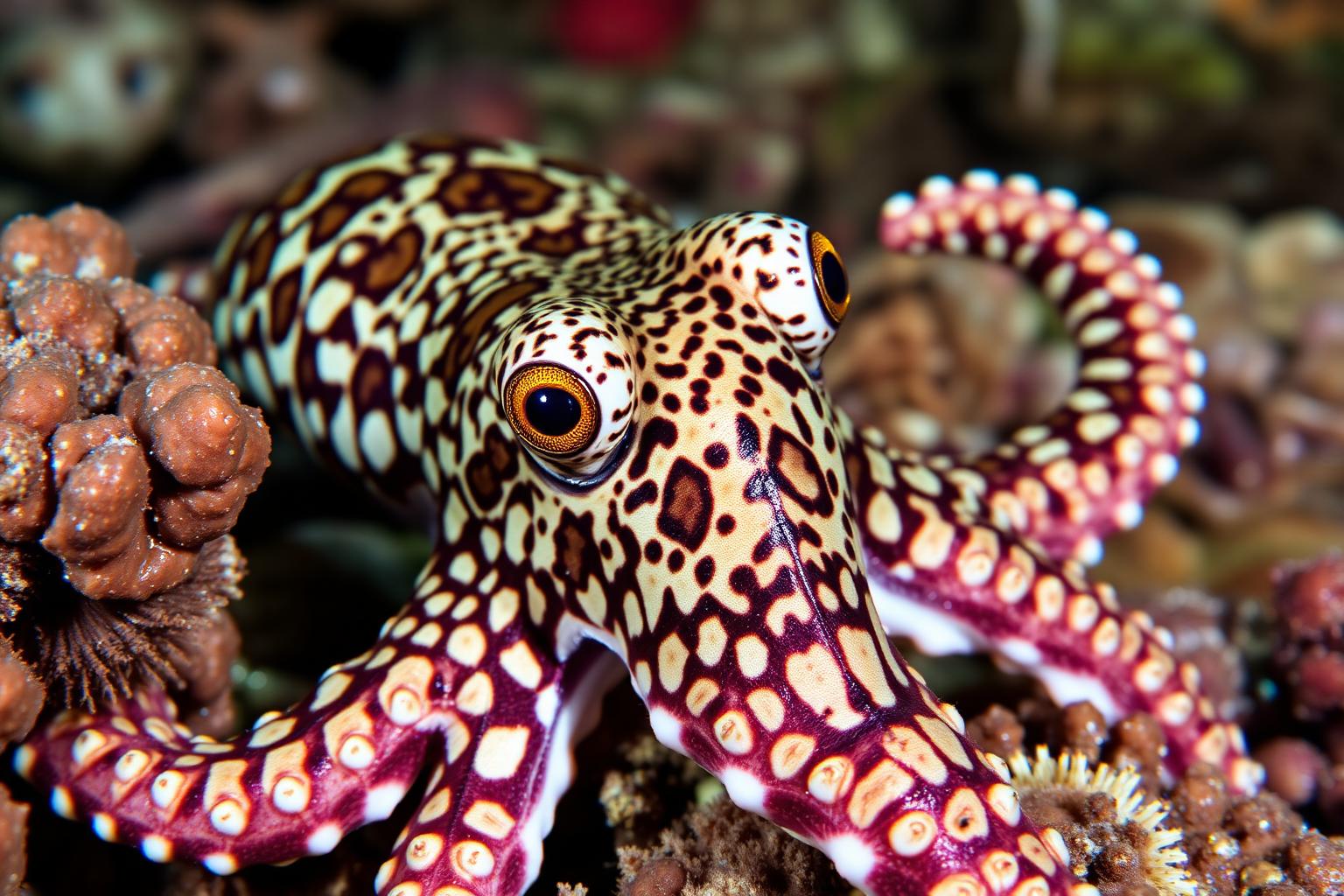
Day Octopus
A daytime hunter and master shapeshifter, Hawaiʻi's most commonly seen octopus can change color and texture in under a second.
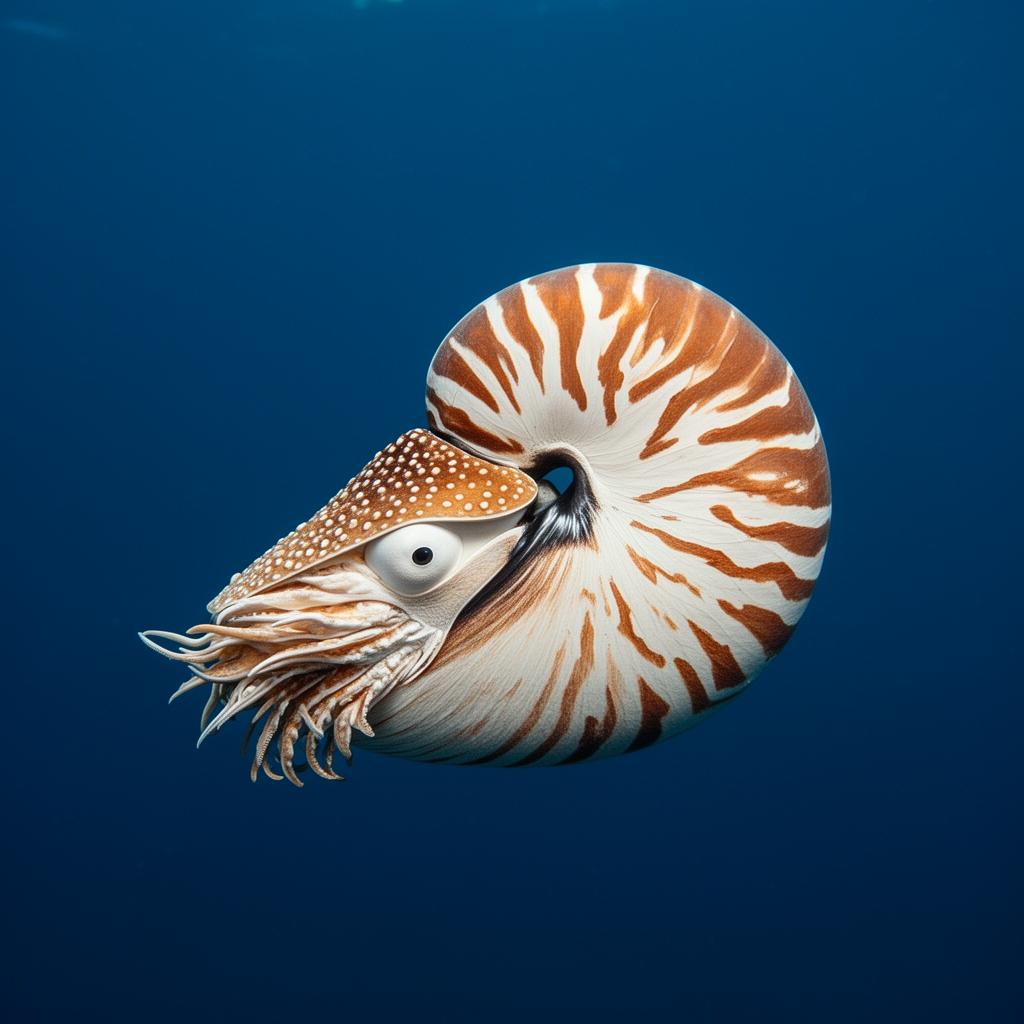
Chambered Nautilus
A living fossil whose ancestors swam alongside dinosaurs, the nautilus drifts through deep reefs in a perfect spiral shell.
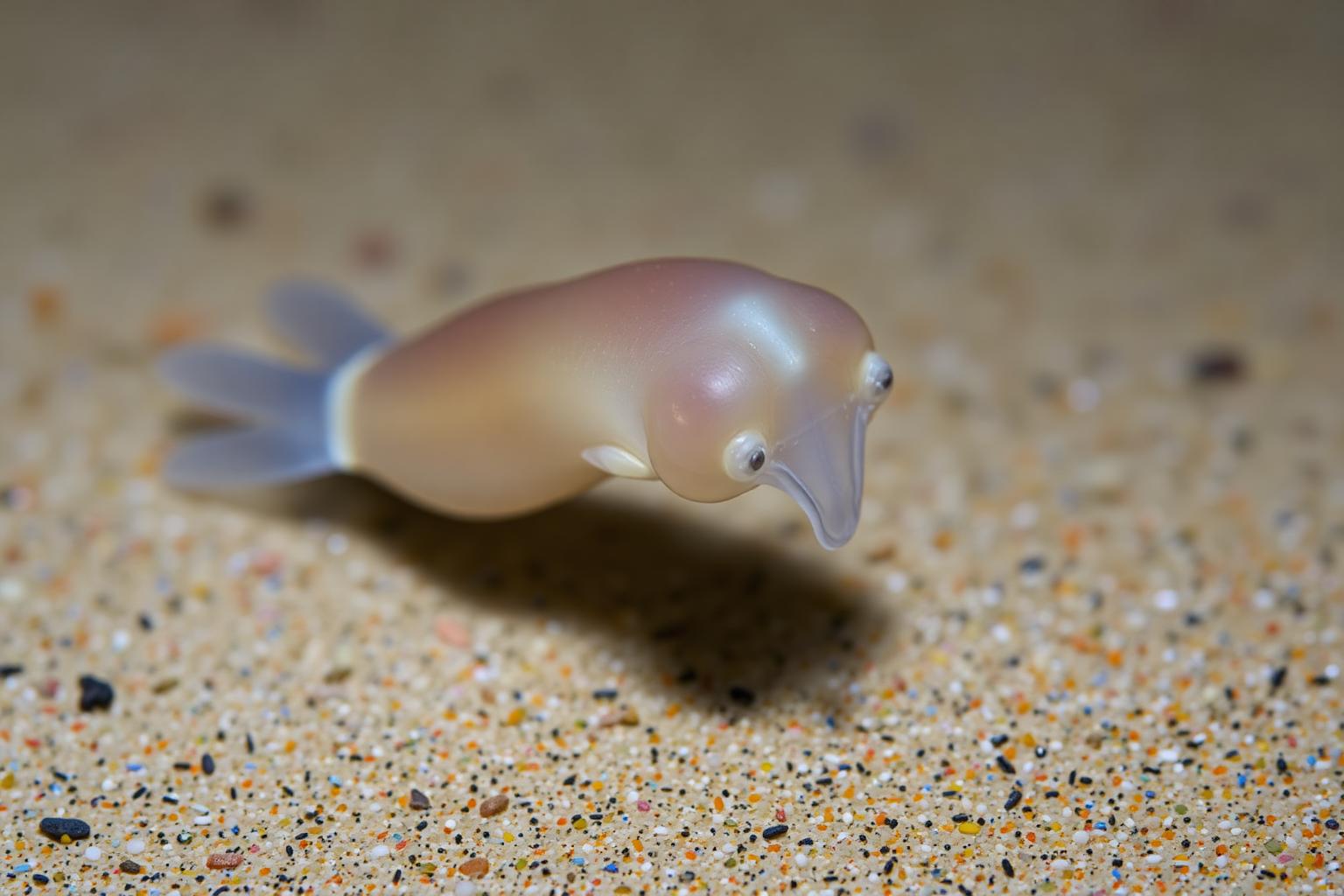
Hawaiian Bobtail Squid
A thumb-sized squid that hides in plain sight using bioluminescent bacteria to erase its own shadow under the moon.
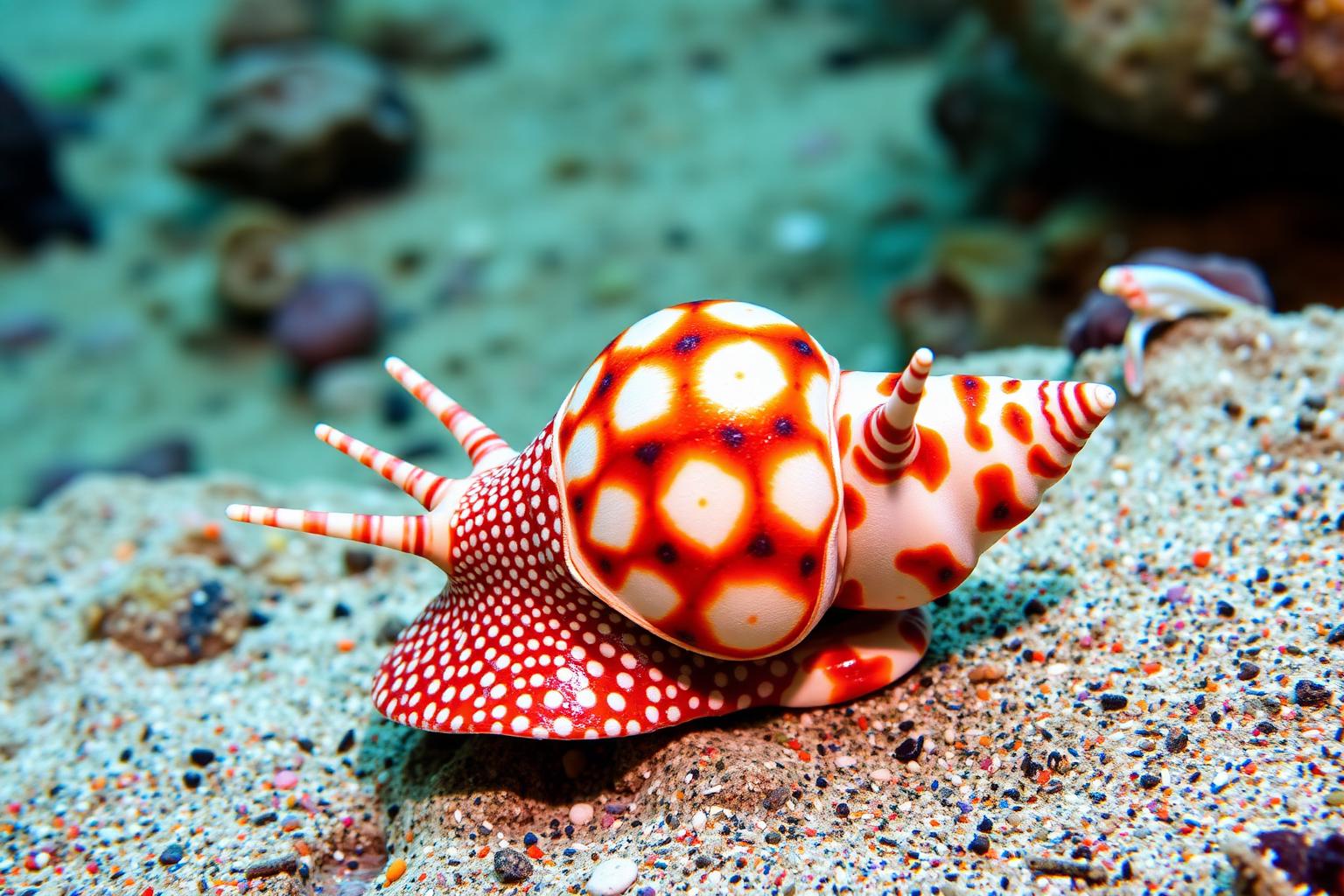
Textile Cone Snail
A beautiful but dangerous predator that fires a venomous harpoon to paralyze fish — and whose toxins inspire modern medicine.
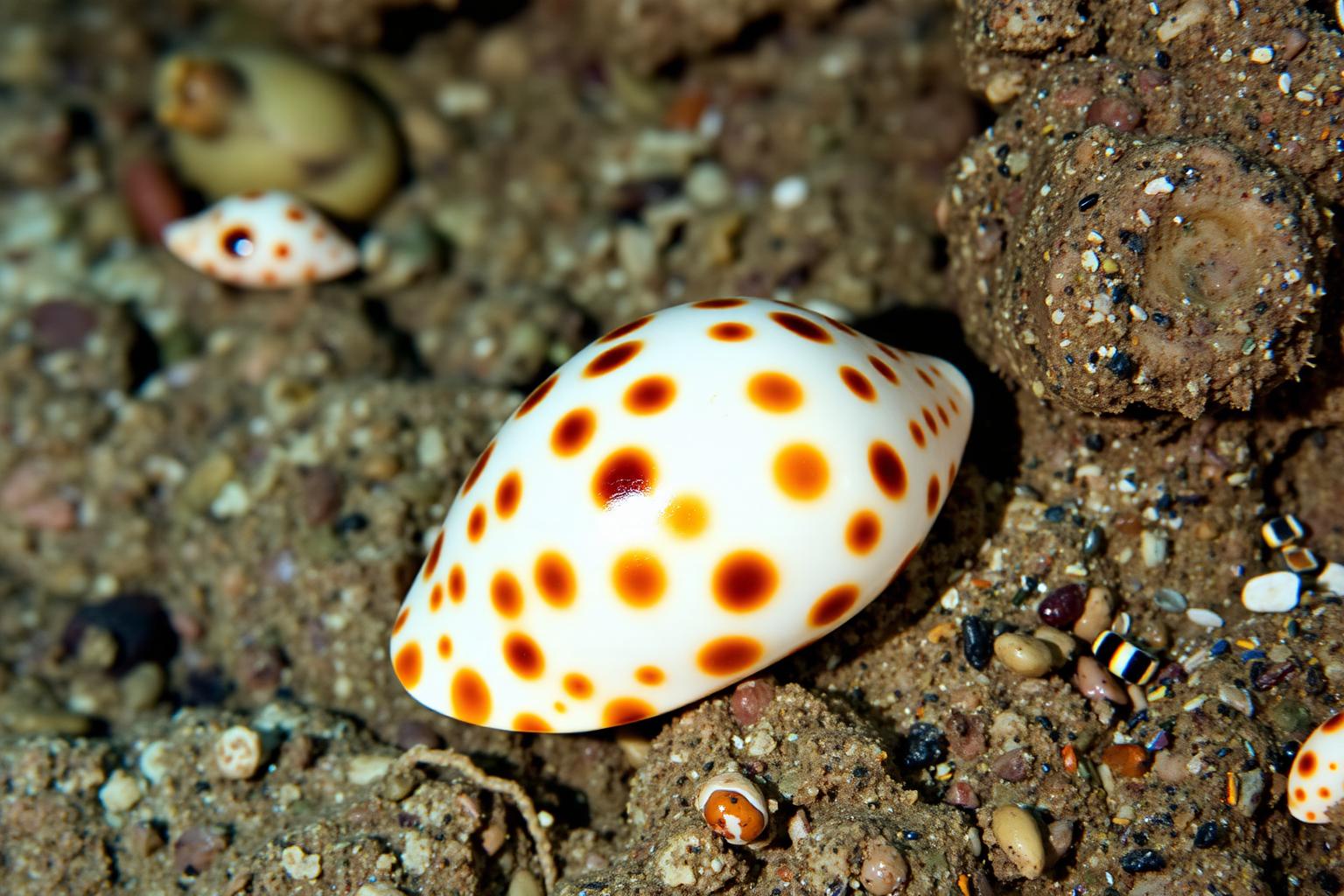
Tiger Cowrie
Treasured for its glossy spotted shell, the tiger cowrie polishes its own surface with a fleshy mantle that wraps the shell completely.
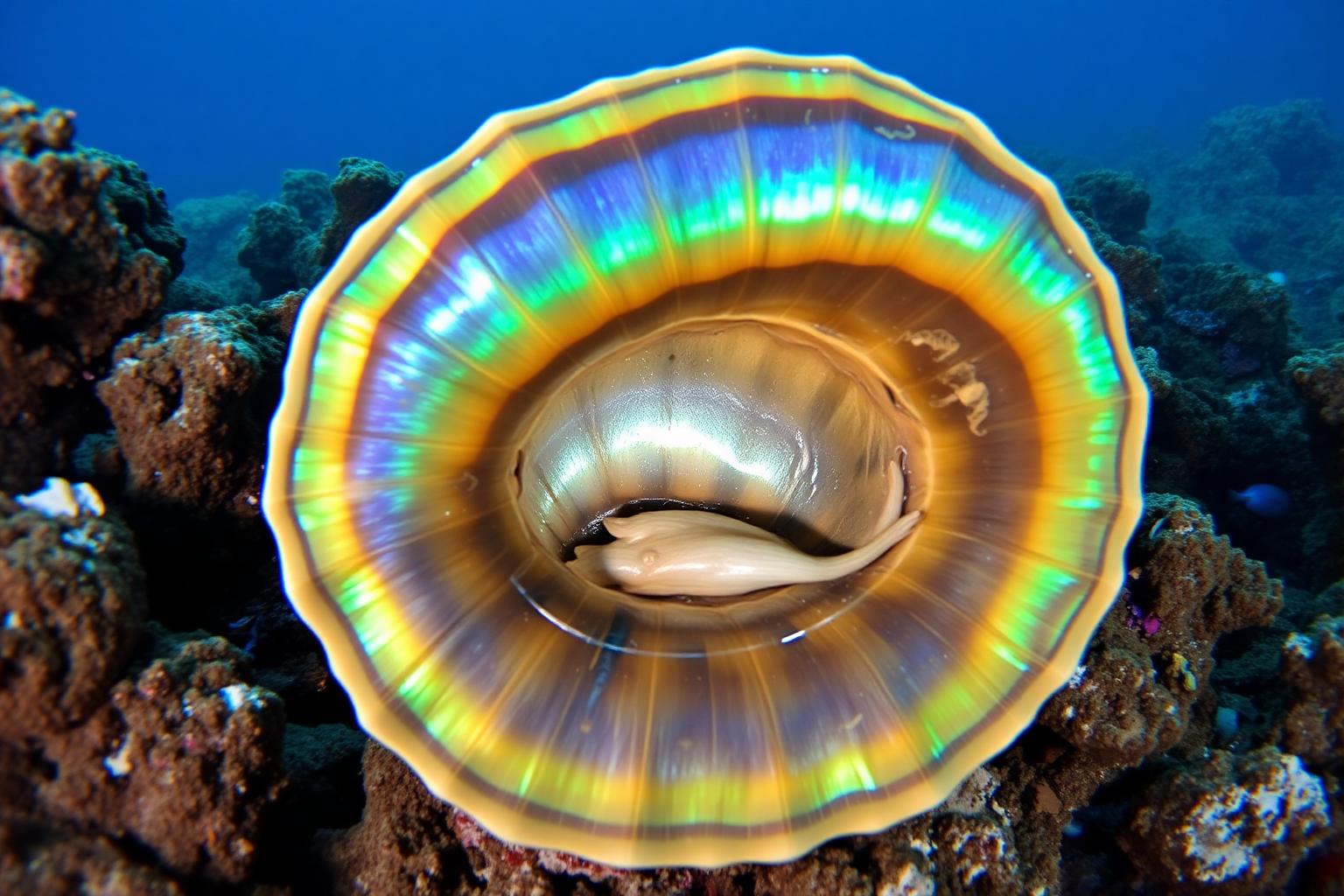
Giant Clam
Living solar panels of the reef, giant clams grow up to four feet across by farming algae inside their colorful mantles.
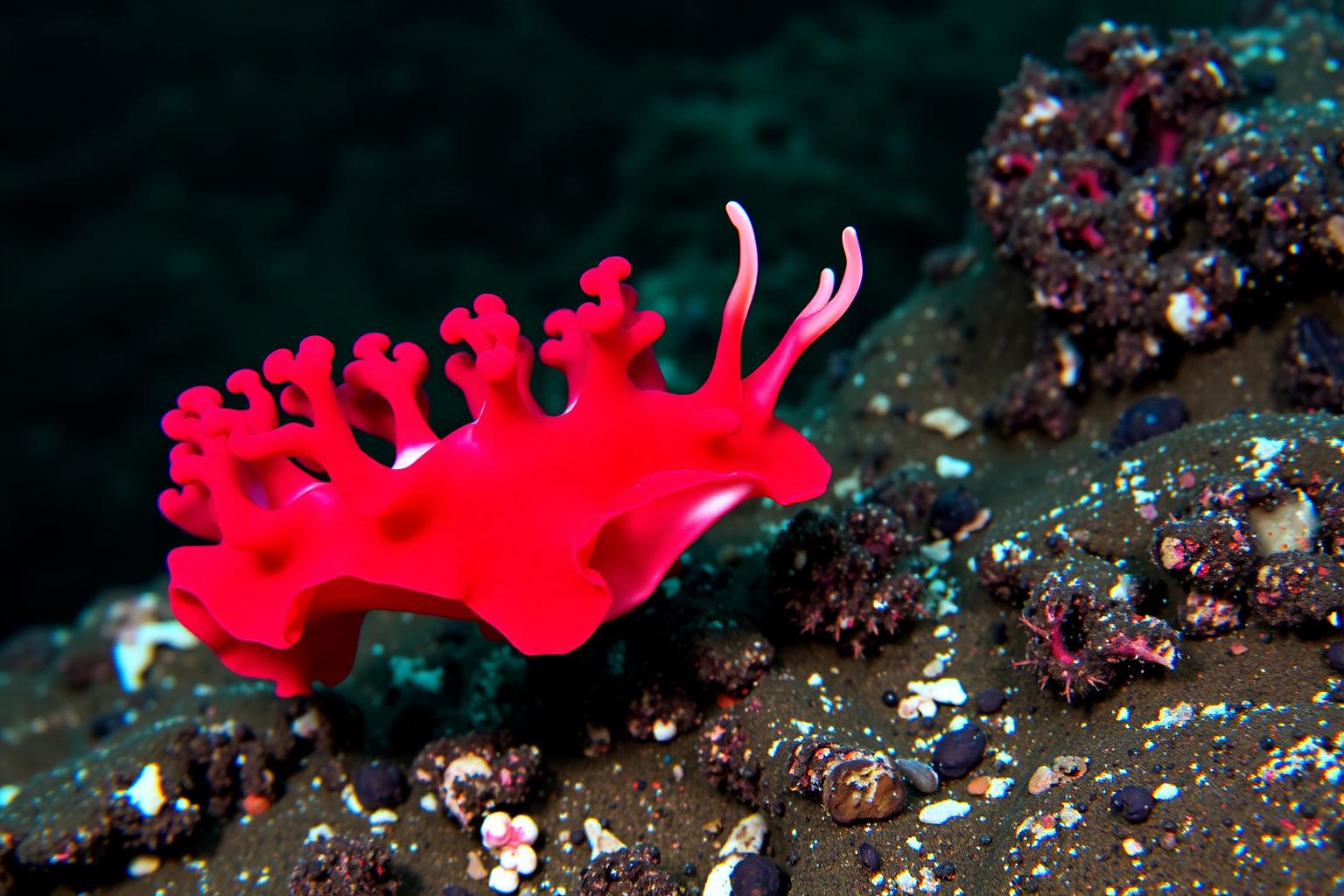
Spanish Dancer
The largest nudibranch in the world, this brilliant red sea slug swims by undulating its body like a flamenco dancer's dress.
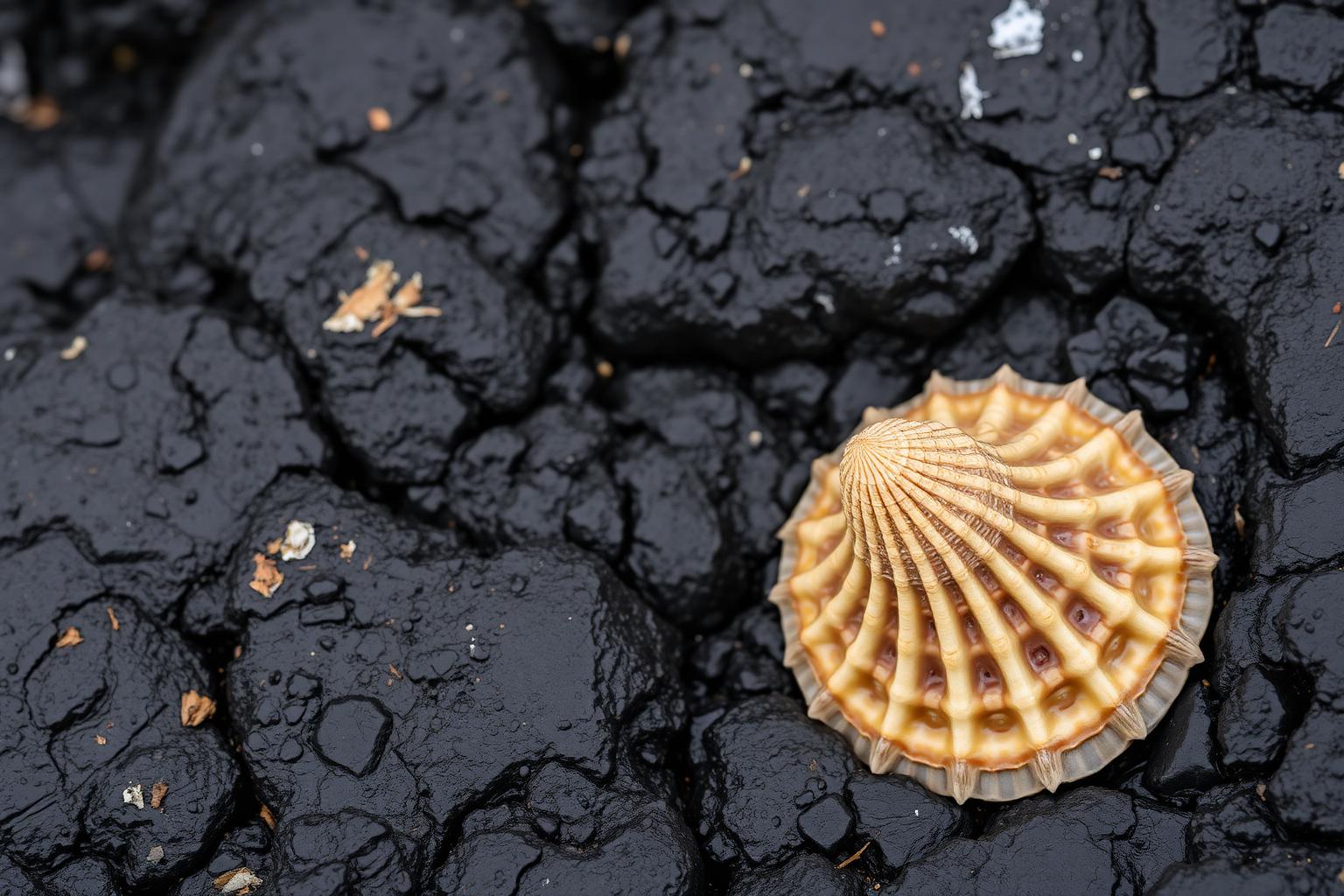
ʻOpihi
A prized Hawaiian limpet that clings to wave-pounded lava rock — a delicacy so dangerous to harvest it is called "the fish of death."
Crustaceans
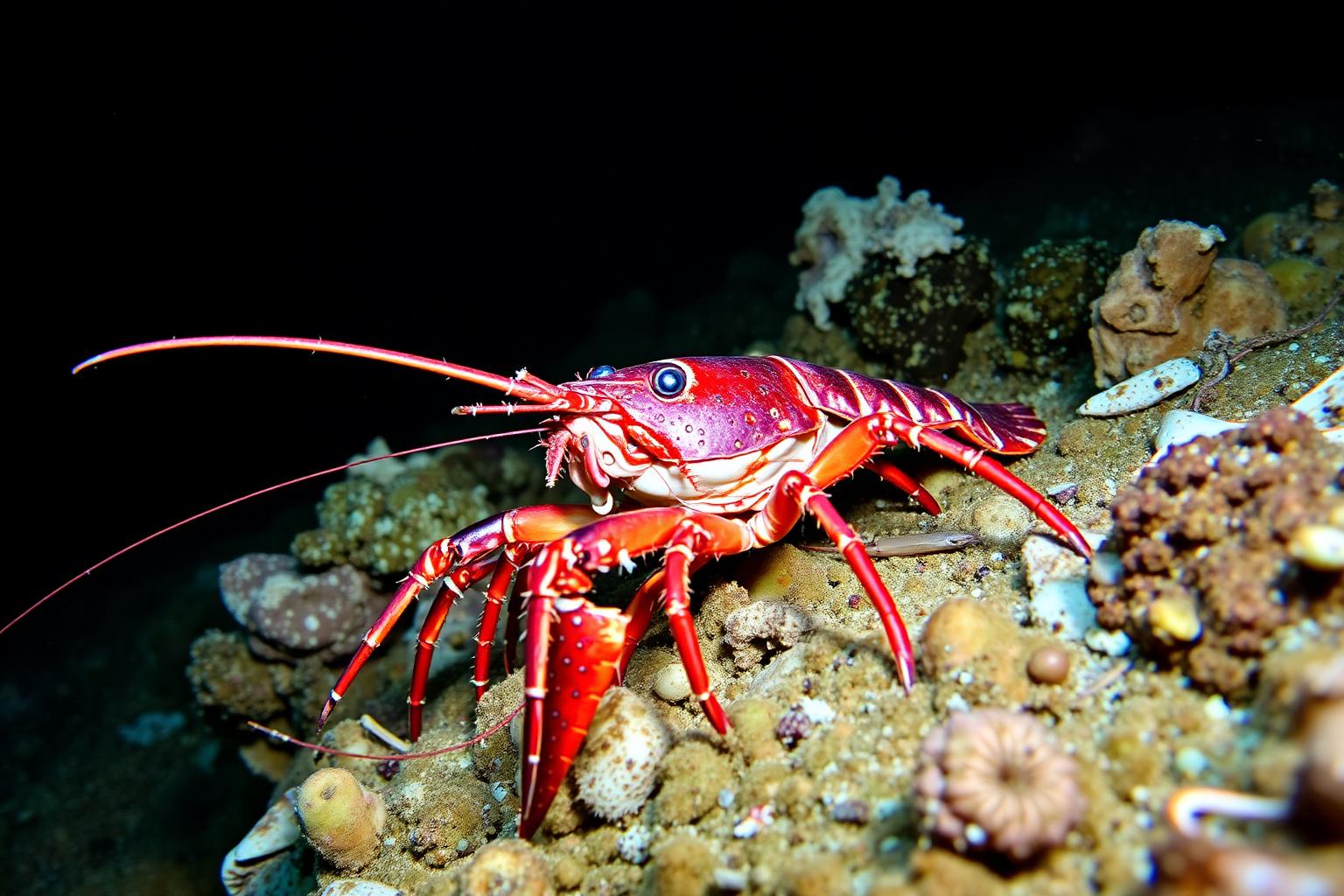
Hawaiian Spiny Lobster
Endemic to Hawaiʻi, this clawless lobster relies on long spiny antennae and a powerful tail-flick to escape predators in reef caves and overhangs.
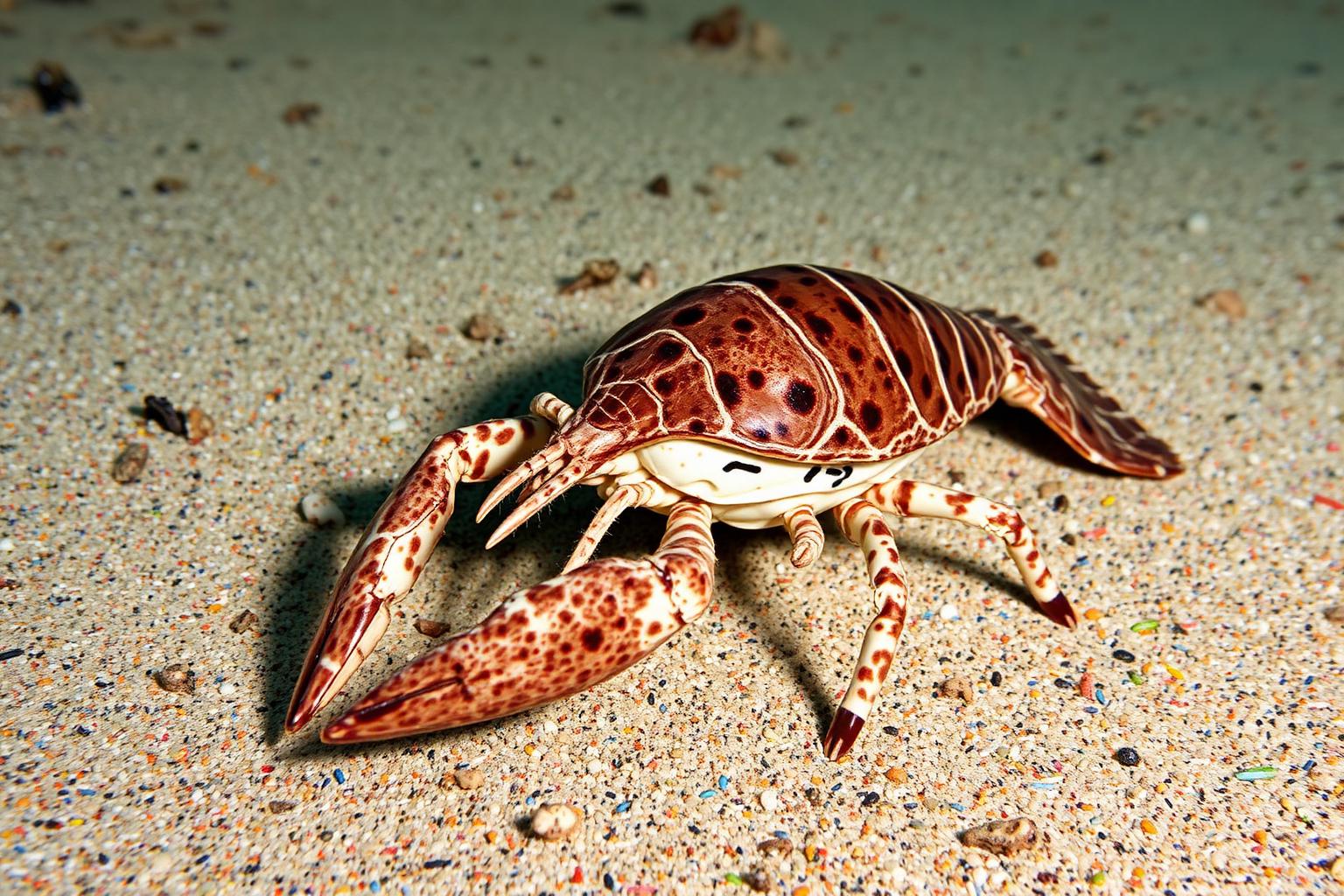
Hawaiian Slipper Lobster
A flat, shovel-shaped lobster that wedges into reef cracks by day and shuffles across the bottom hunting clams and snails by night.
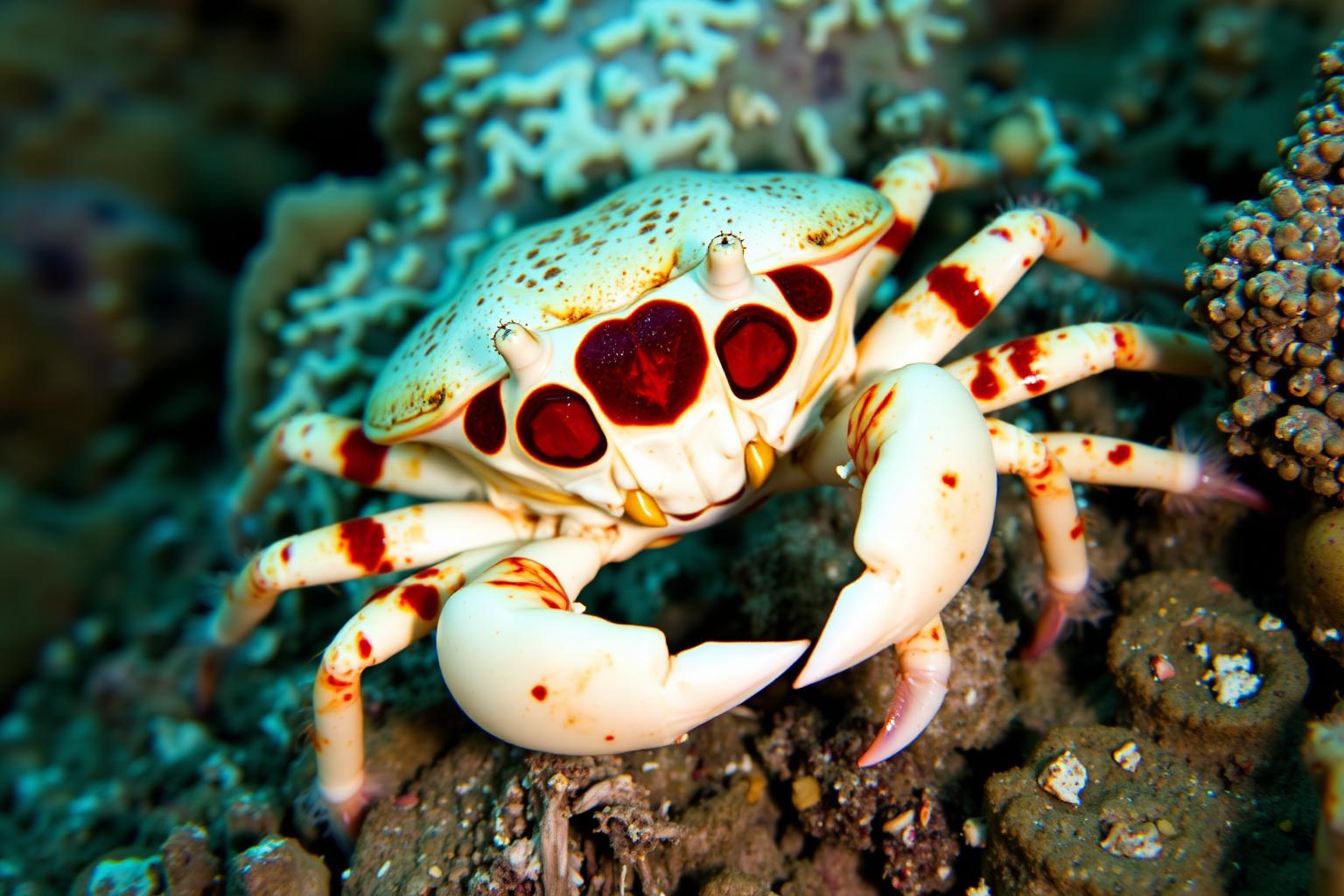
Seven-Eleven Crab
Named for the seven large red spots on its cream-colored shell. A powerful snail-cracker that becomes toxic from the food it eats.
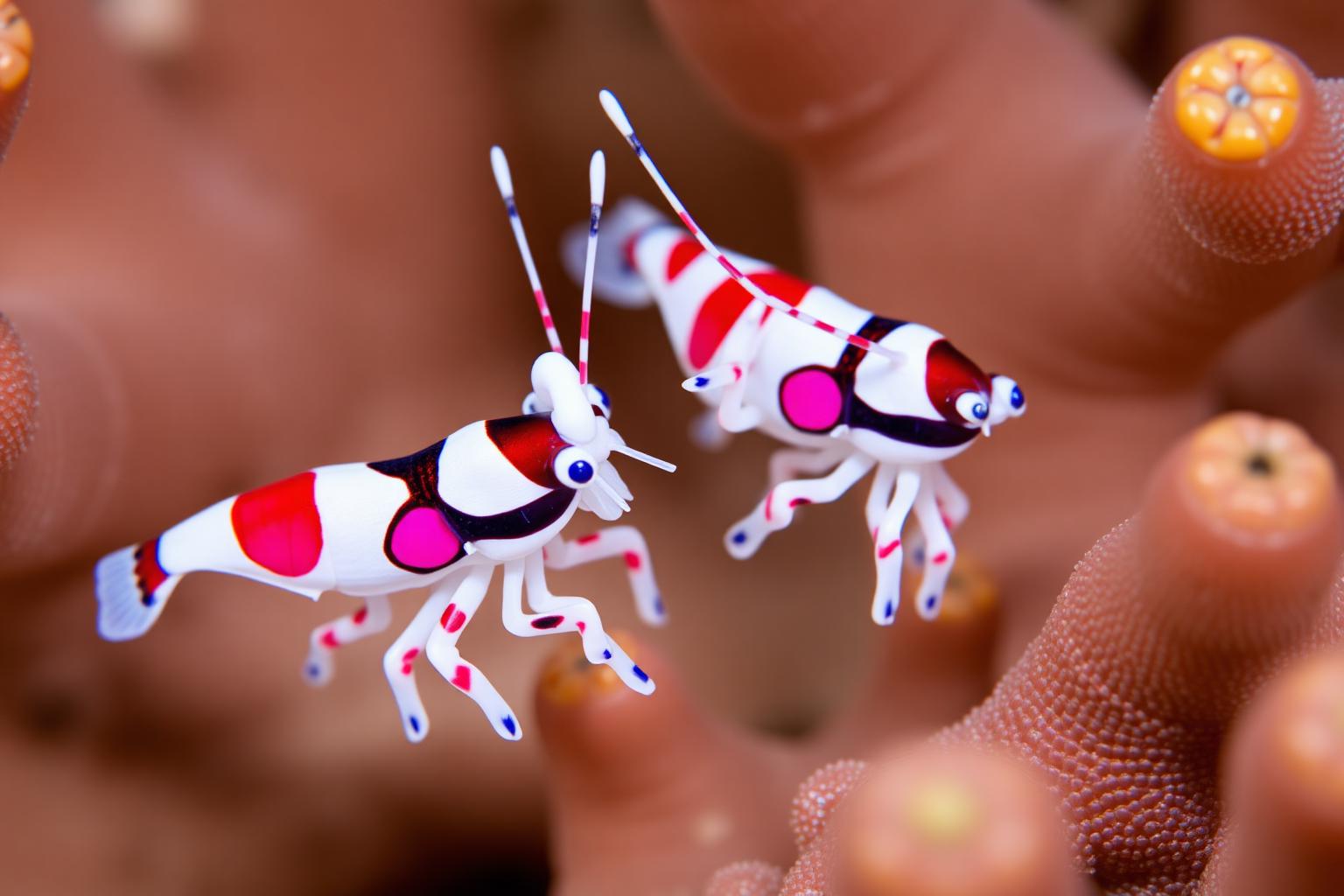
Harlequin Shrimp
A pair-bonded reef predator that hunts only sea stars, flipping them upside-down and eating them slowly over days.
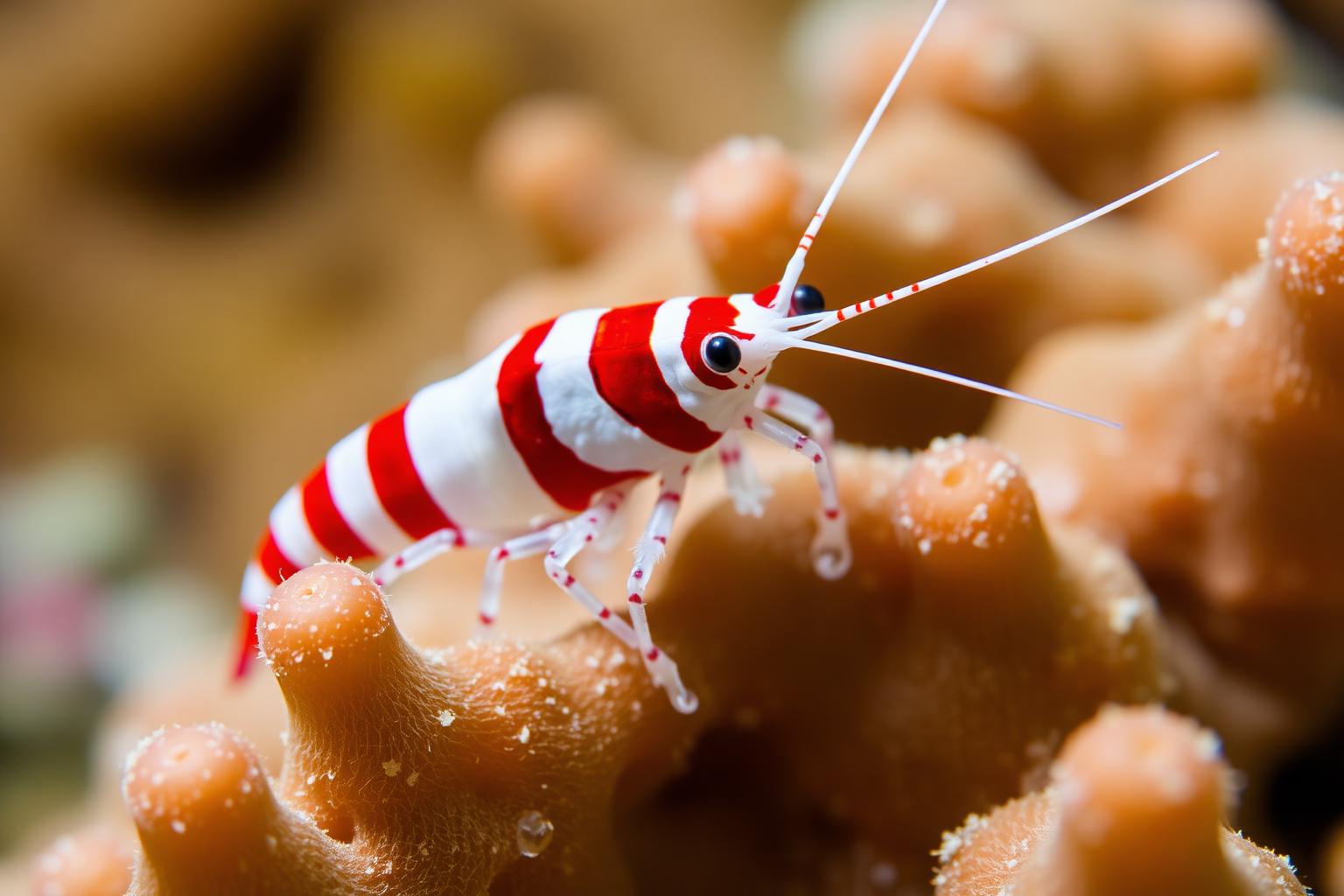
Banded Coral Shrimp
A red-and-white striped cleaner shrimp with long white antennae that runs a grooming station for fish on the reef.
Echinoderms
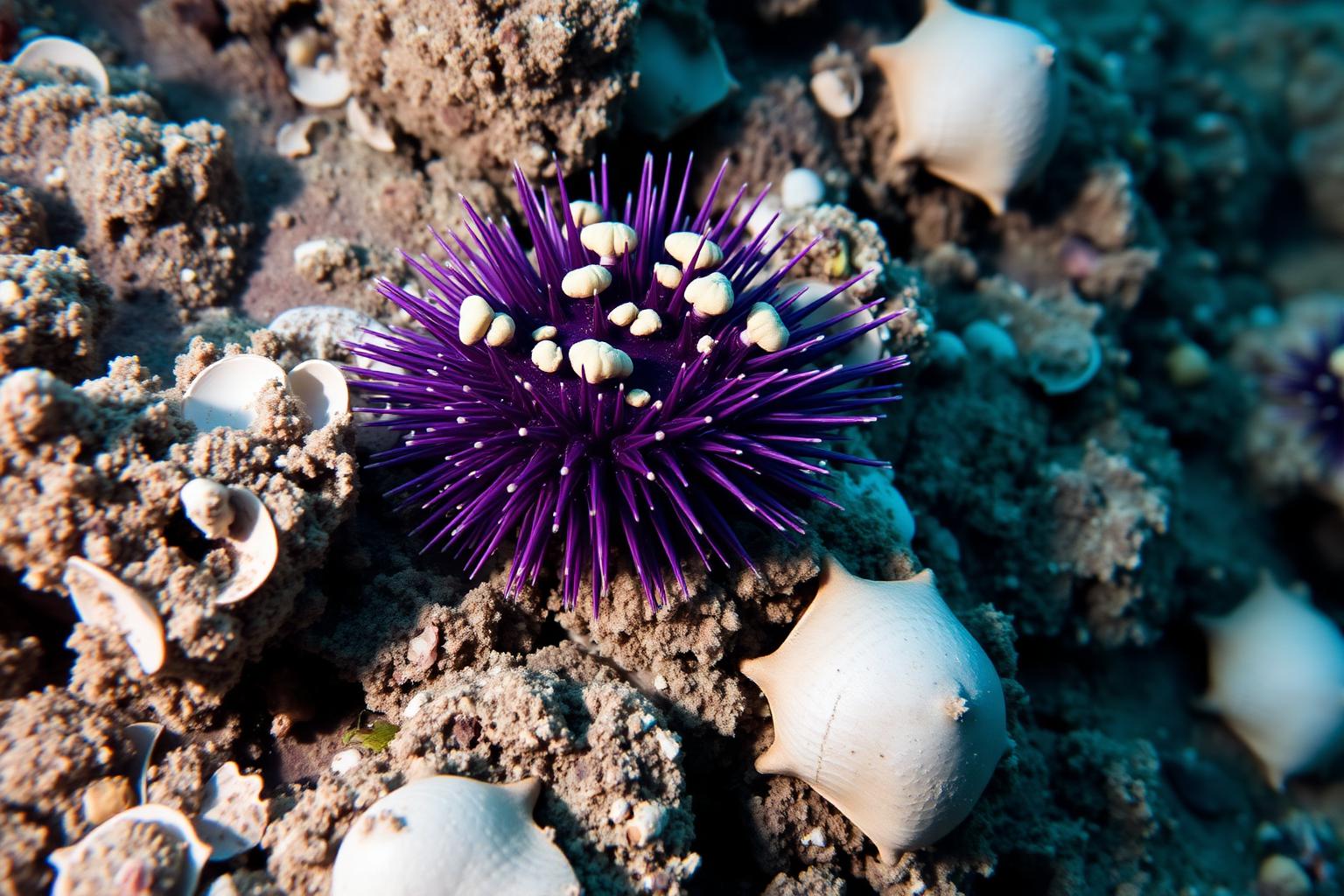
Collector Urchin
A purple-spined urchin with a habit of decorating itself with shells, algae and debris — and a powerful tool against invasive seaweed.
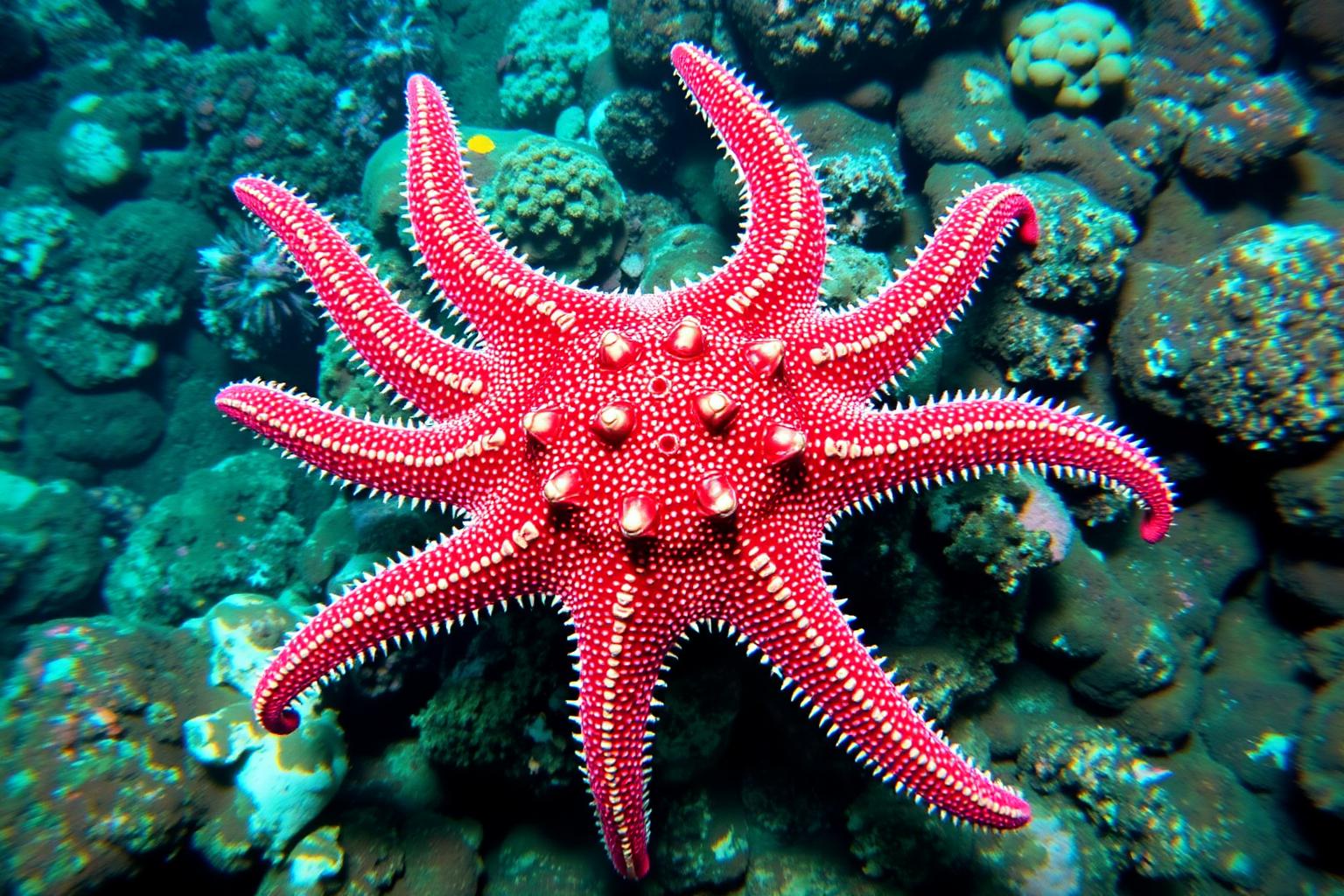
Crown-of-Thorns Sea Star
A coral-eating sea star covered in venomous spines. Population outbreaks can devastate reefs across the Indo-Pacific.
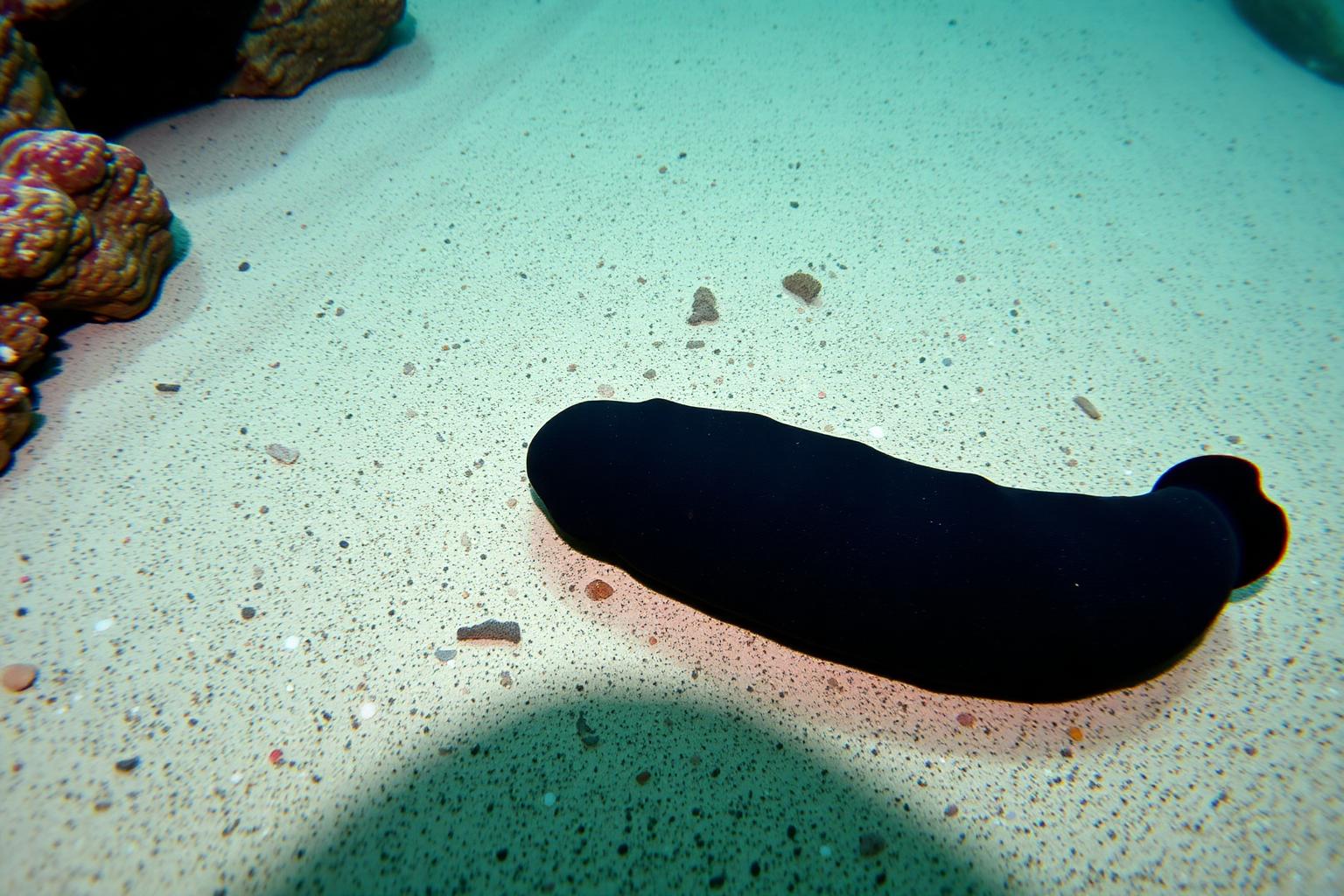
Hawaiian Sea Cucumber
Sand-eating janitors of the reef. These soft-bodied echinoderms can defend themselves by ejecting their own internal organs.
Cnidarians
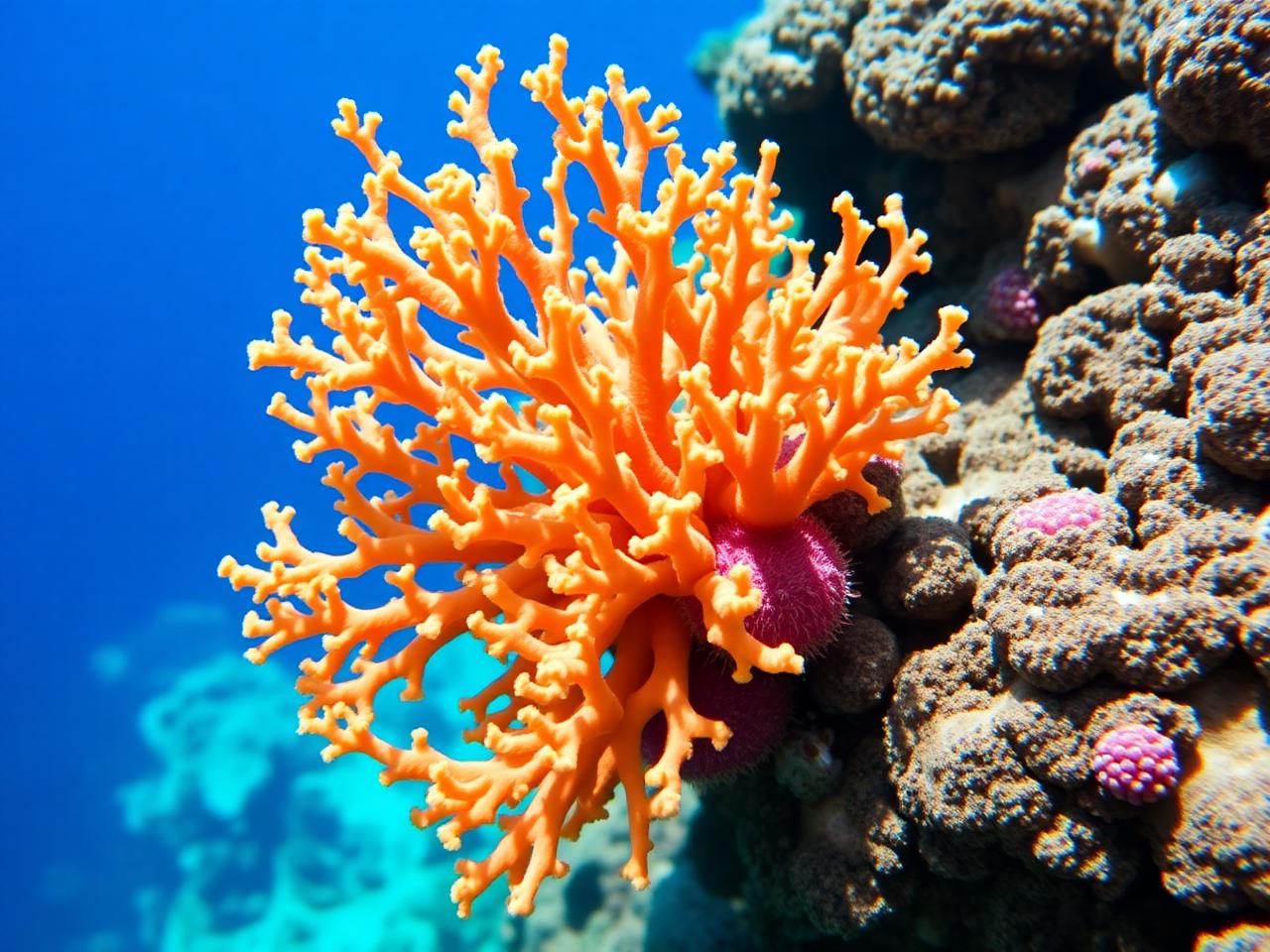
Cauliflower Coral
One of the most common reef-builders in Hawaiʻi — a colony of thousands of tiny animals working as one.
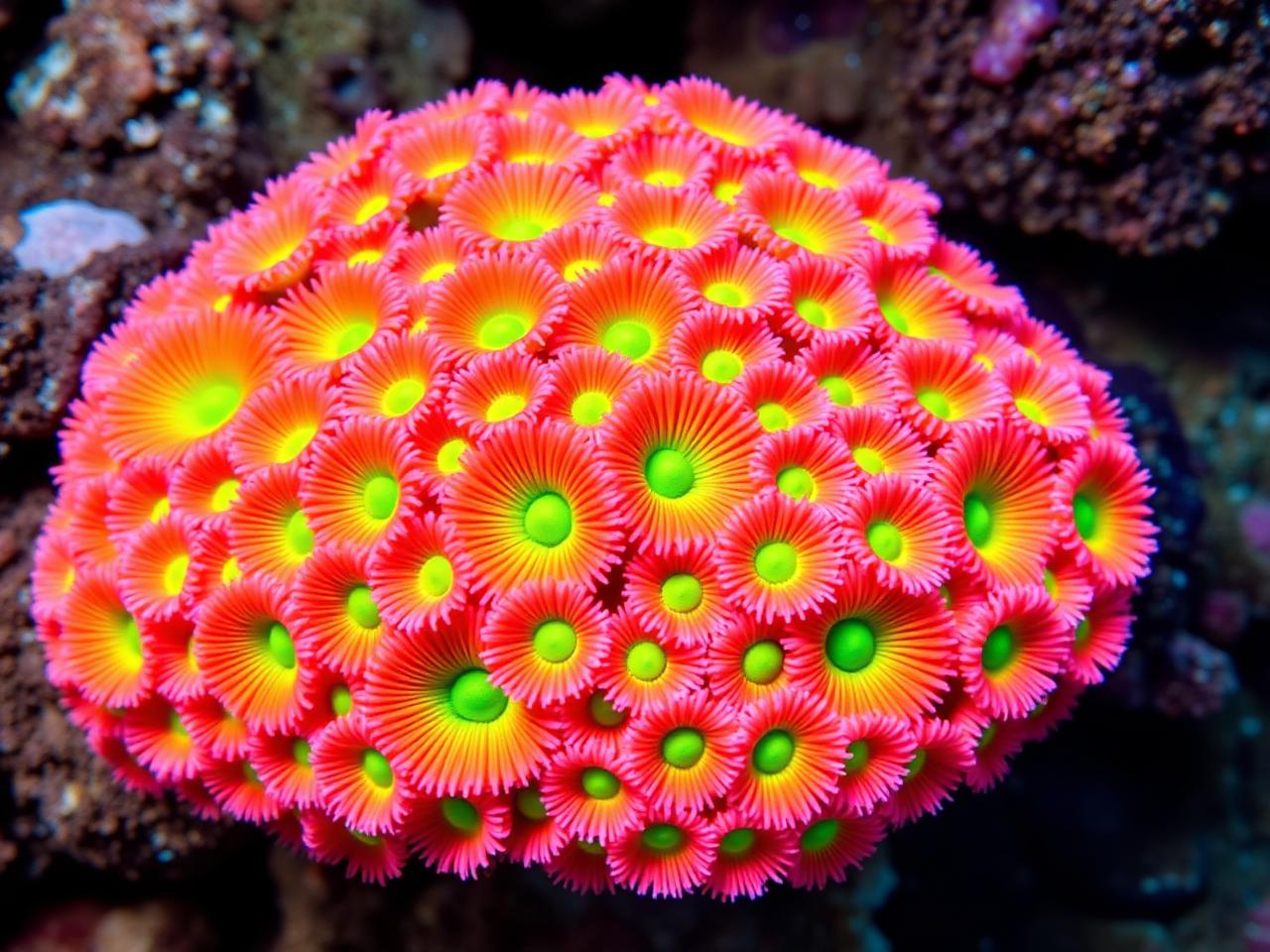
Zoanthids
Brilliantly colored colonial polyps that carpet tidepools and lower reef walls — and contain one of the deadliest natural toxins ever discovered.
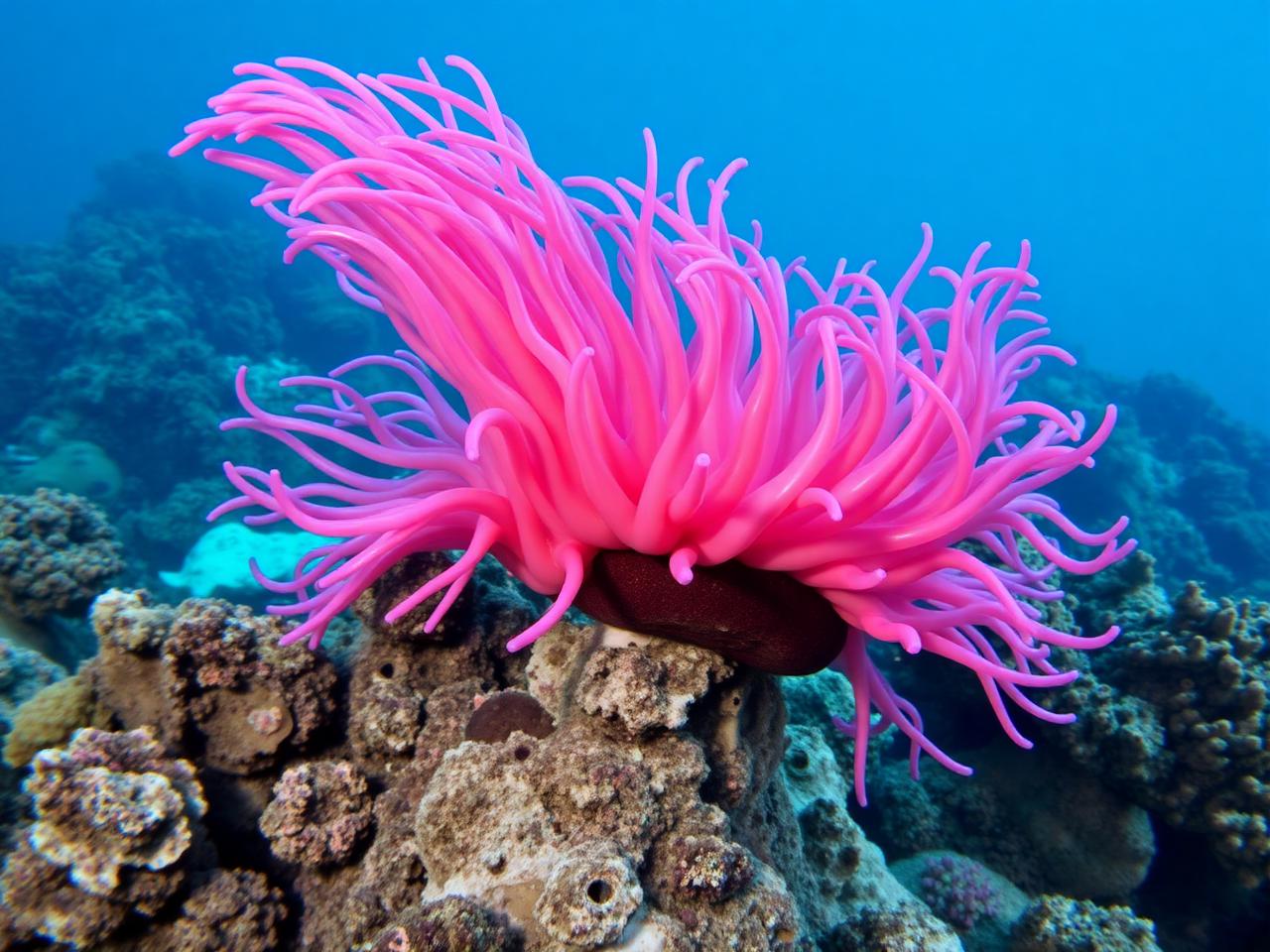
Sea Anemone
Stinging flowers of the reef. Solitary cousins of corals — gentle to look at, deadly for plankton and small fish.
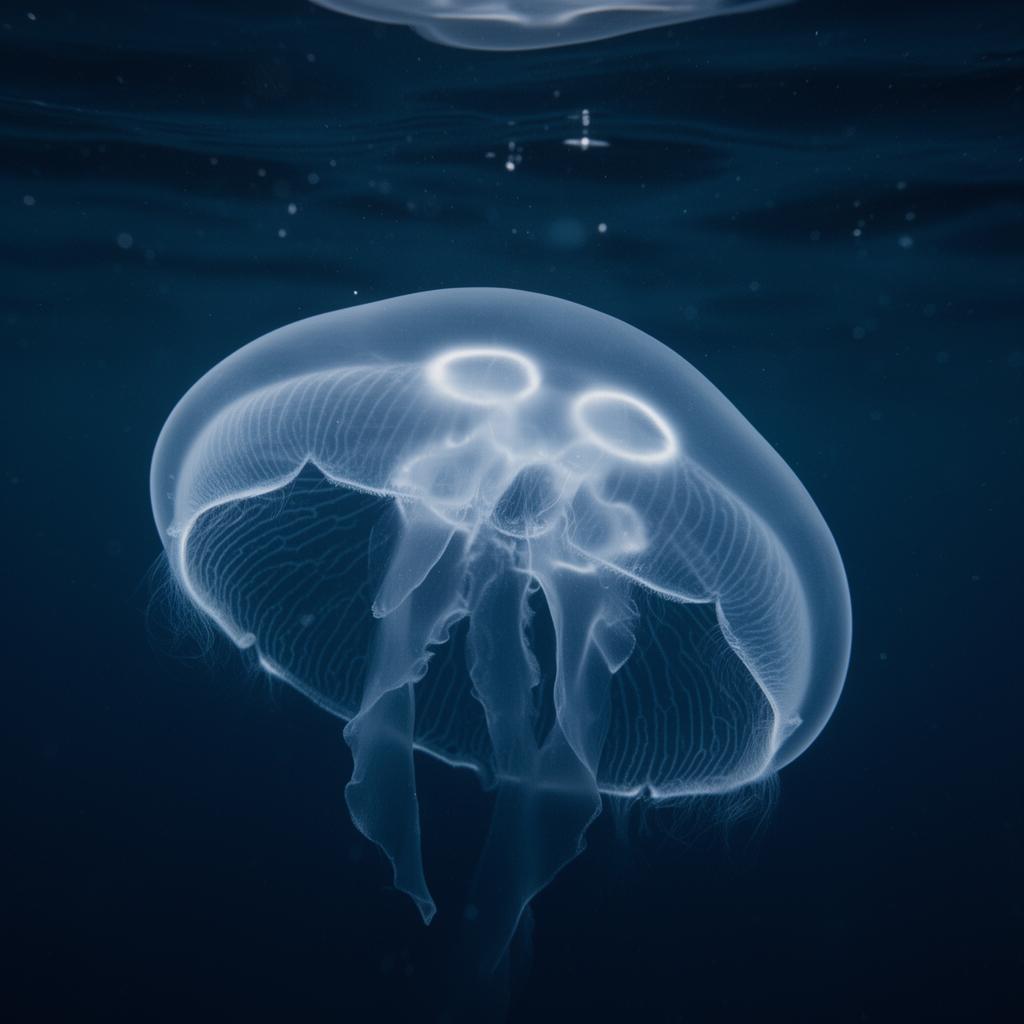
Moon Jelly
Translucent ghosts of the open ocean — 95% water, no brain, no heart, and pulsing through the sea for over 500 million years.
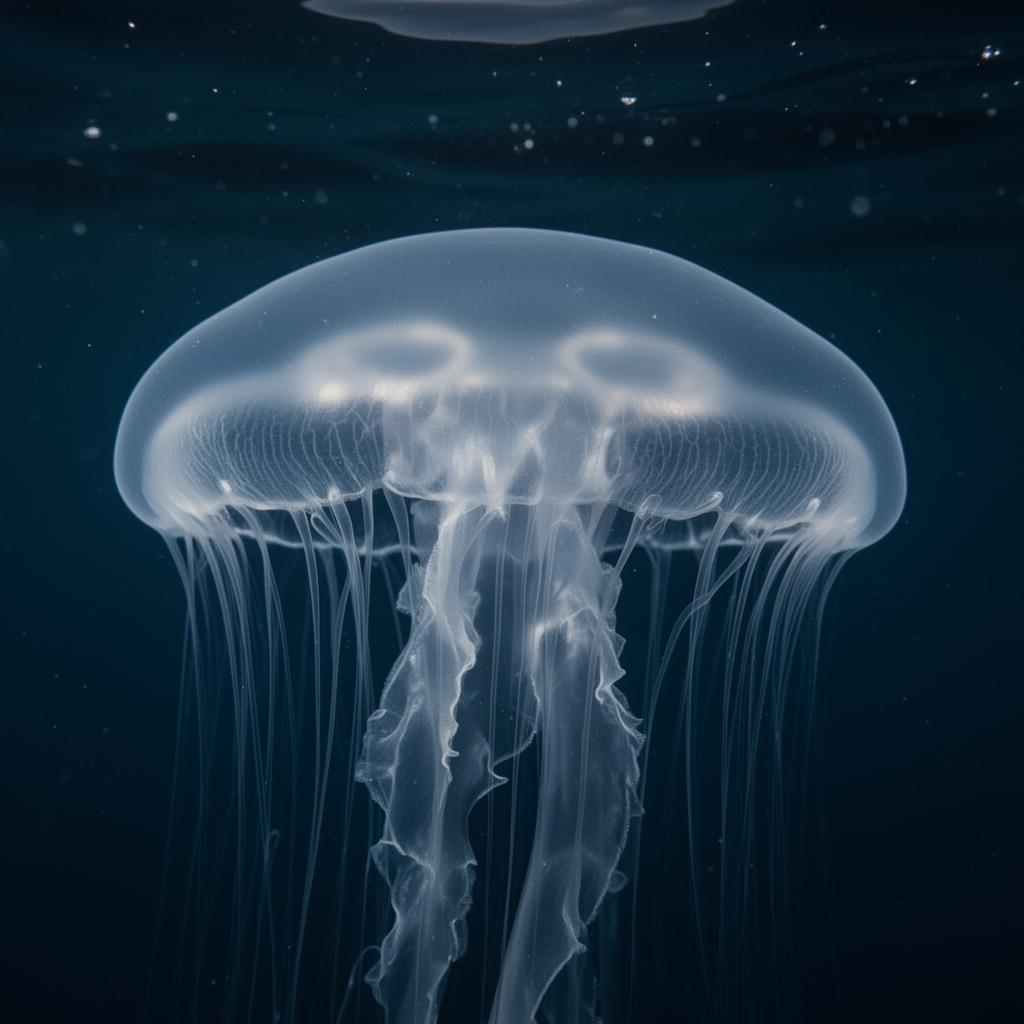
Hawaiian Box Jelly
A small, cube-shaped jelly with a powerful sting that arrives at Oʻahu's south shores like clockwork — 8 to 10 days after every full moon.
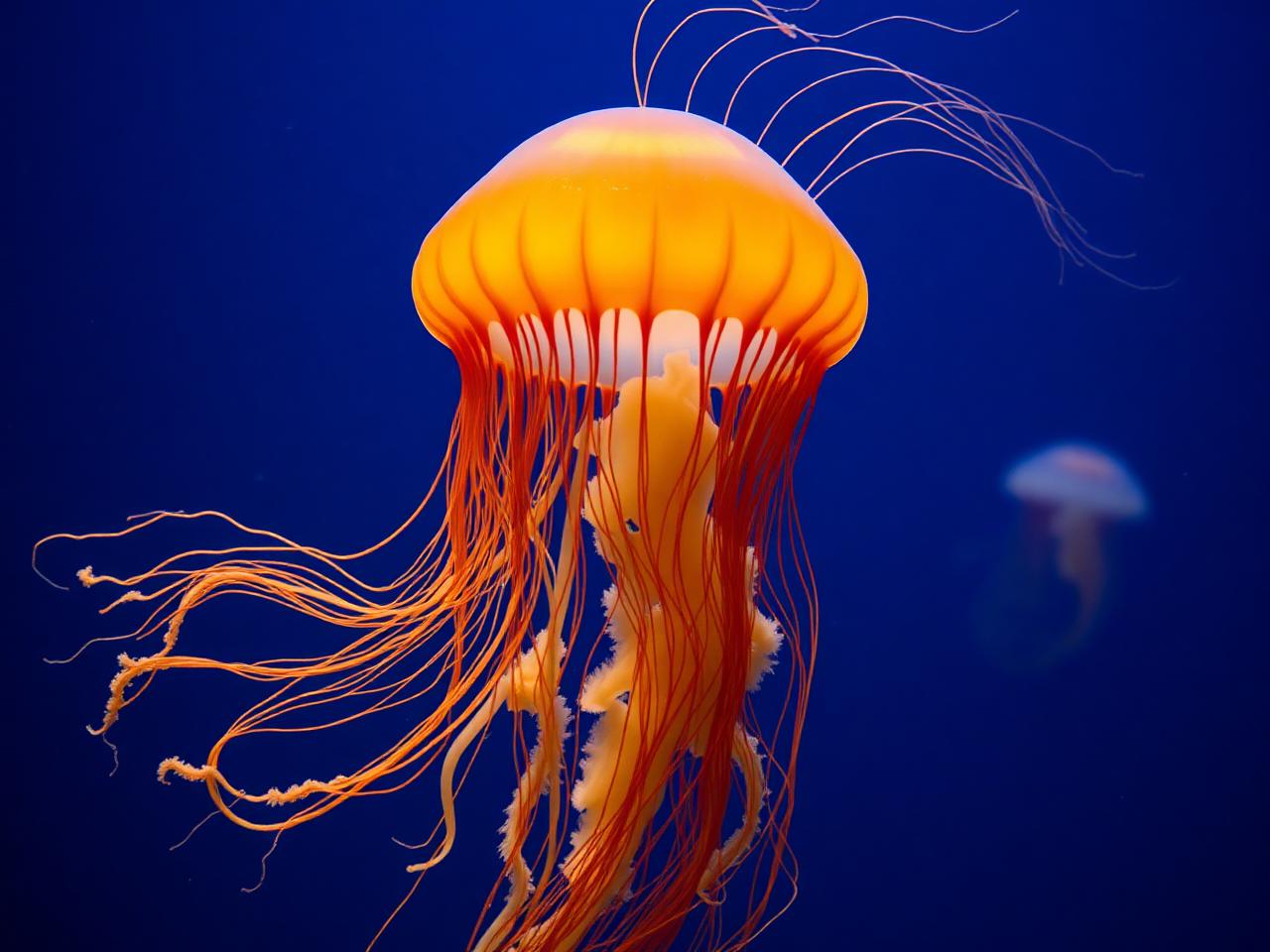
Pacific Sea Nettle
An amber-orange jelly with frilly oral arms and trailing tentacles — a slow, hypnotic predator of plankton and small fish.
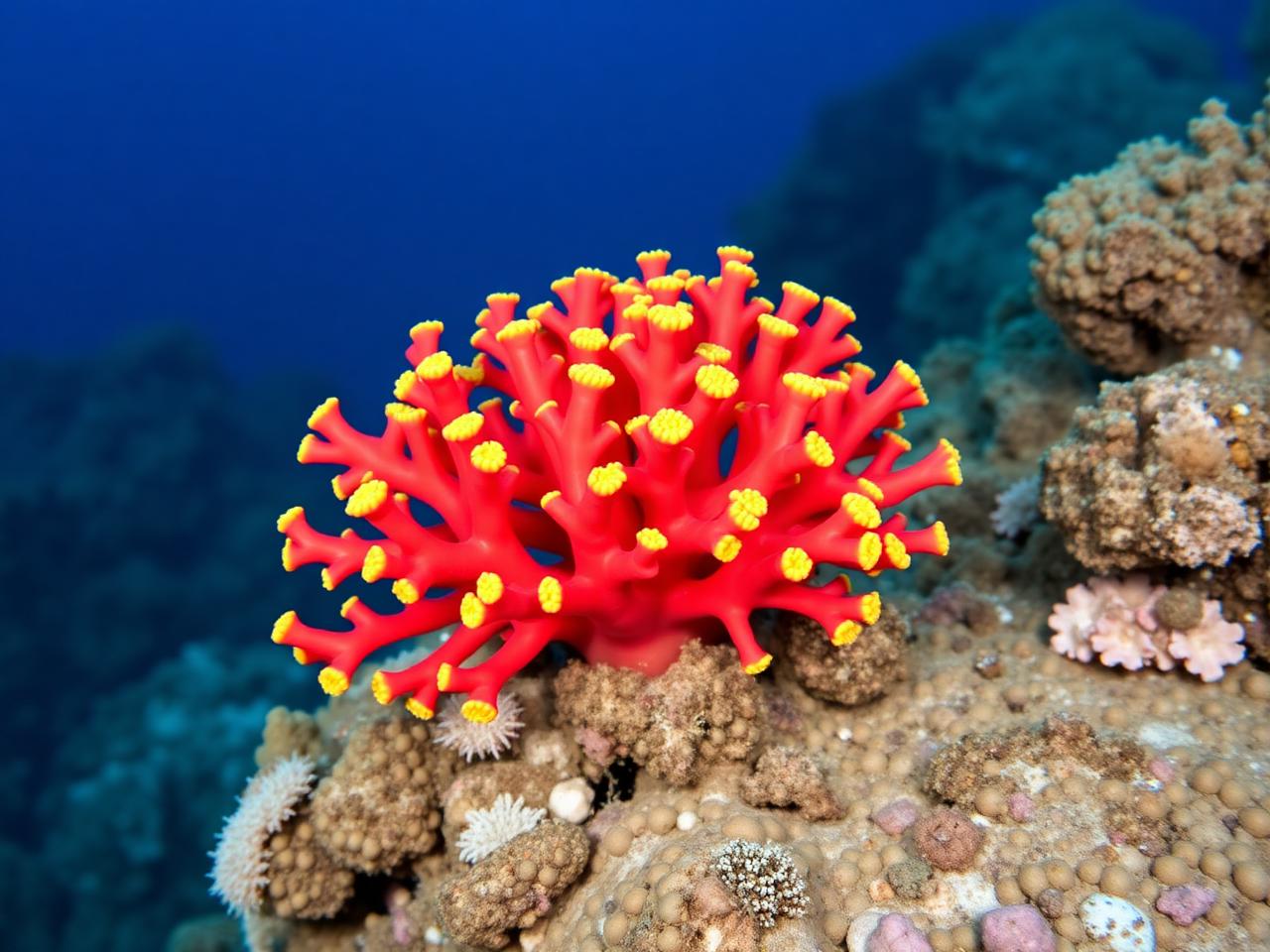
Fire Coral
Not a true coral, but a stinging hydroid that delivers a fiery burn to anyone who brushes against it on the reef.