
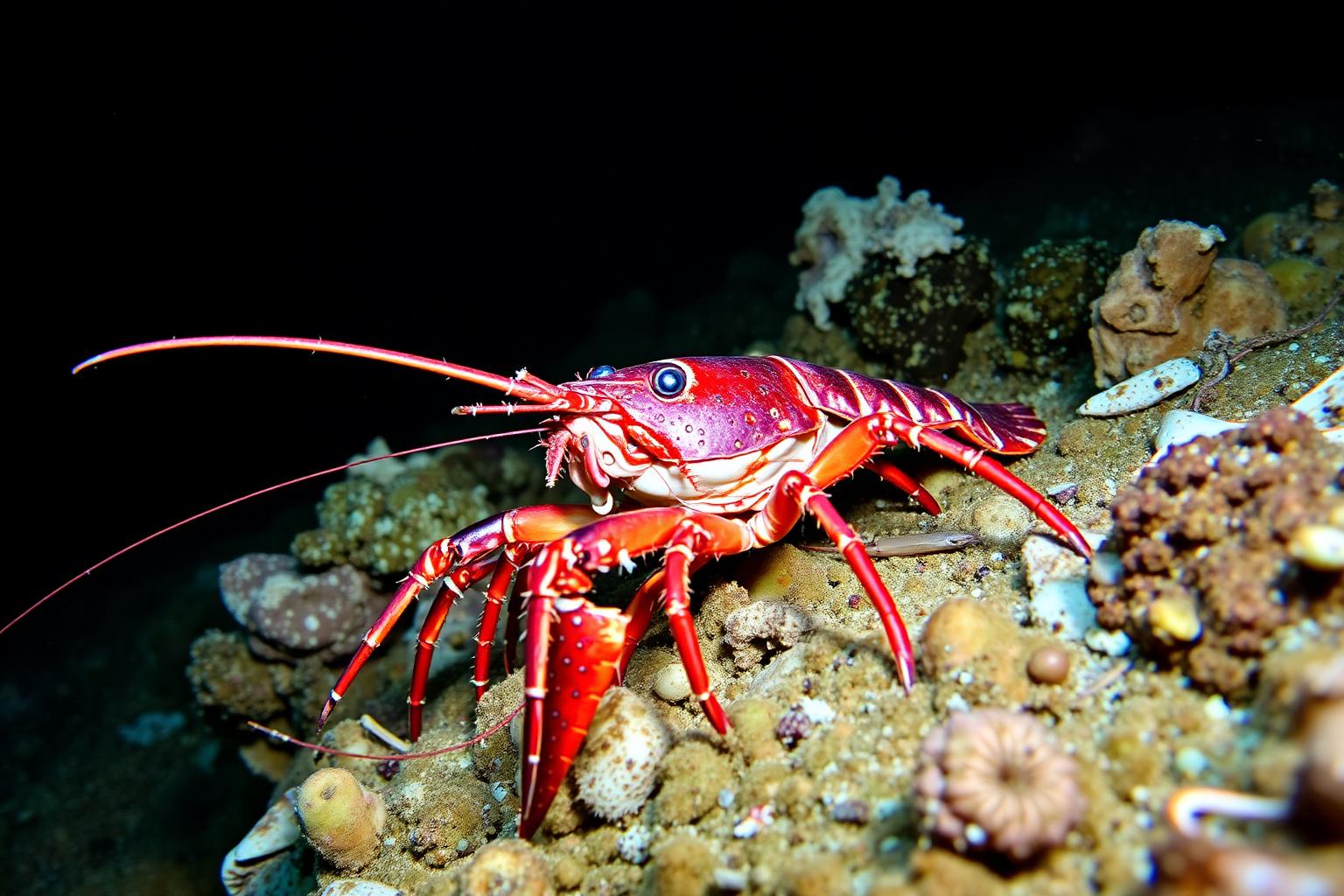
Hawaiian Spiny Lobster.
Endemic to Hawaiʻi, this clawless lobster relies on long spiny antennae and a powerful tail-flick to escape predators in reef caves and overhangs.
The Hawaiian spiny lobster, or ula, is endemic to the Hawaiian Islands. Unlike Maine lobsters, spiny lobsters have no large pinching claws. Instead they rely on long, sharp antennae for defense and a powerful tail-flick to rocket backward away from danger.
Ula spend the day tucked deep into reef caves and overhangs, often in groups, and emerge at night to hunt snails, crabs, urchins and small fish. They navigate using a combination of magnetic sense and detailed memory of the reef.
Females carry tens of thousands of bright orange eggs glued under their tail. After hatching, the larvae drift in the open ocean for nearly a year before settling onto a reef as juveniles, a long pelagic journey that helps spread the species across the archipelago.
Hawaiian spiny lobsters are managed under strict size and seasonal limits. Take of egg-bearing females is prohibited year-round, and a closed season runs each spring to protect spawning adults.
More species in this group.
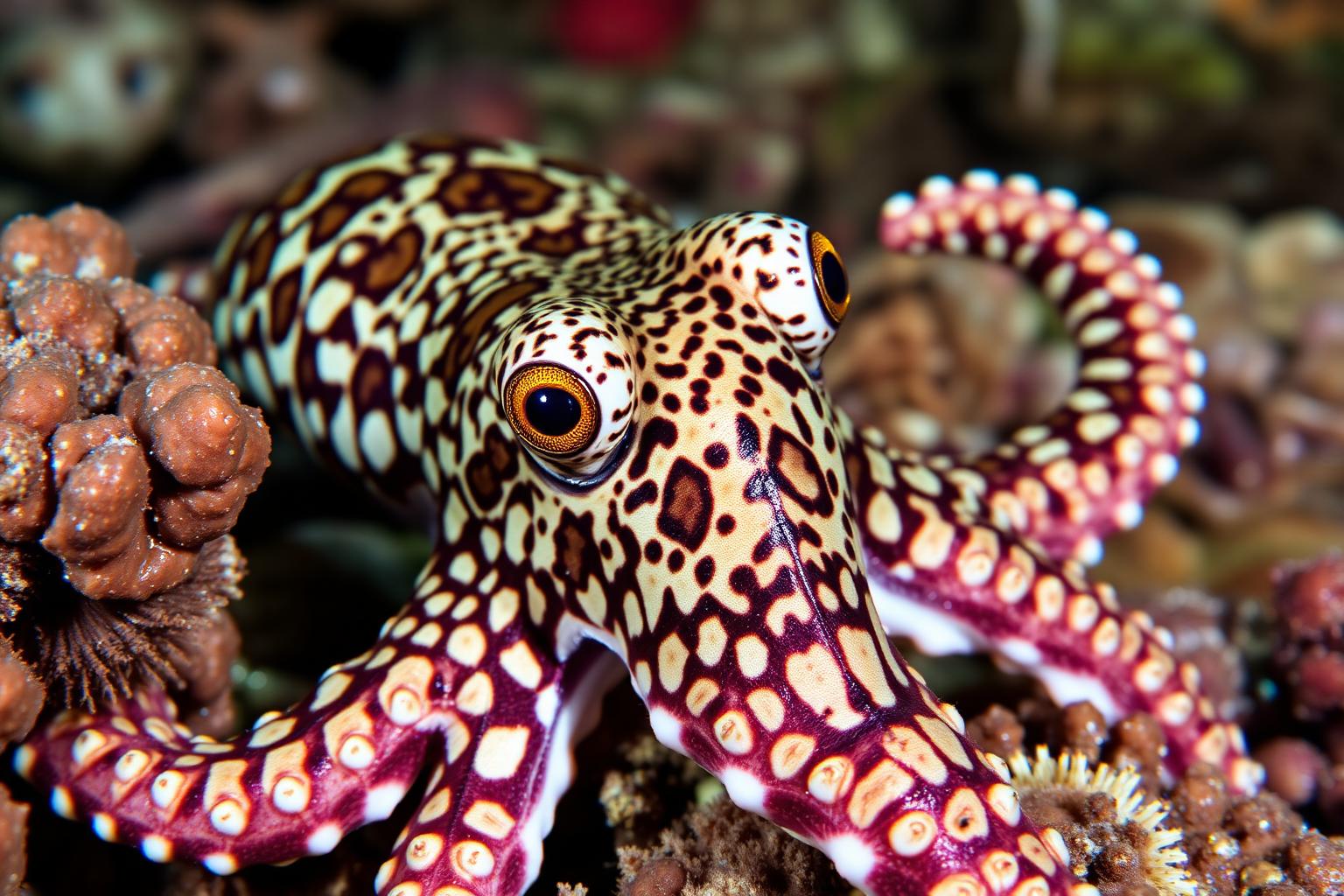
Day Octopus
A daytime hunter and master shapeshifter, Hawaiʻi's most commonly seen octopus can change color and texture in under a second.
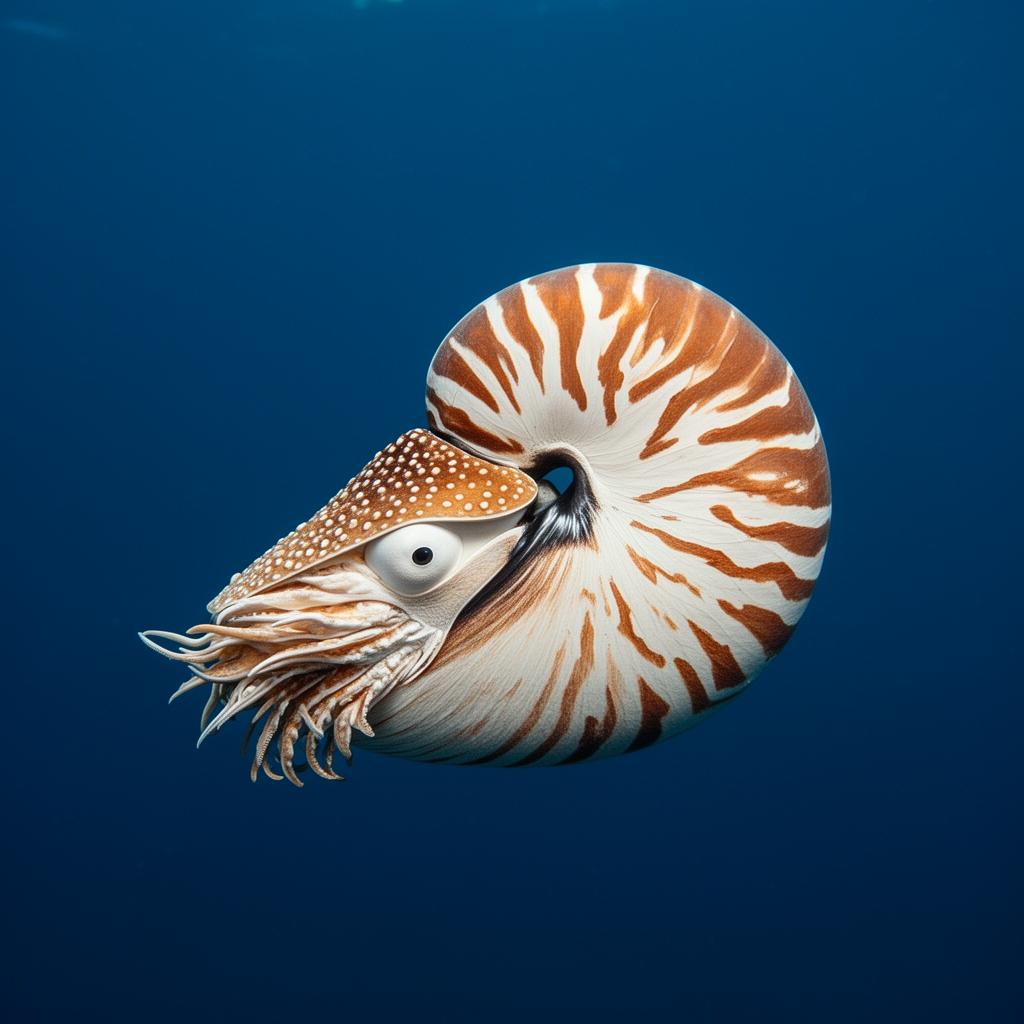
Chambered Nautilus
A living fossil whose ancestors swam alongside dinosaurs, the nautilus drifts through deep reefs in a perfect spiral shell.
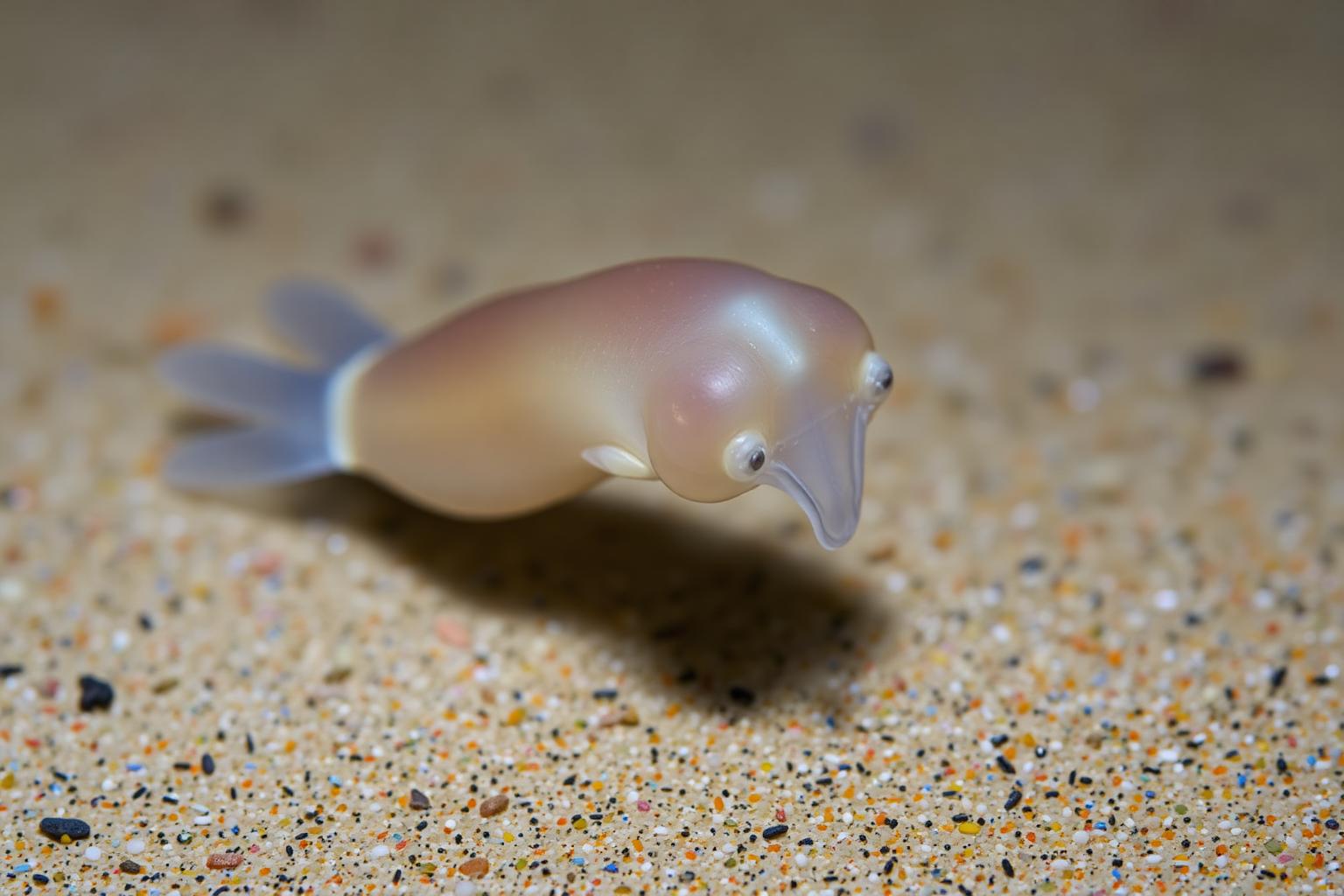
Hawaiian Bobtail Squid
A thumb-sized squid that hides in plain sight using bioluminescent bacteria to erase its own shadow under the moon.
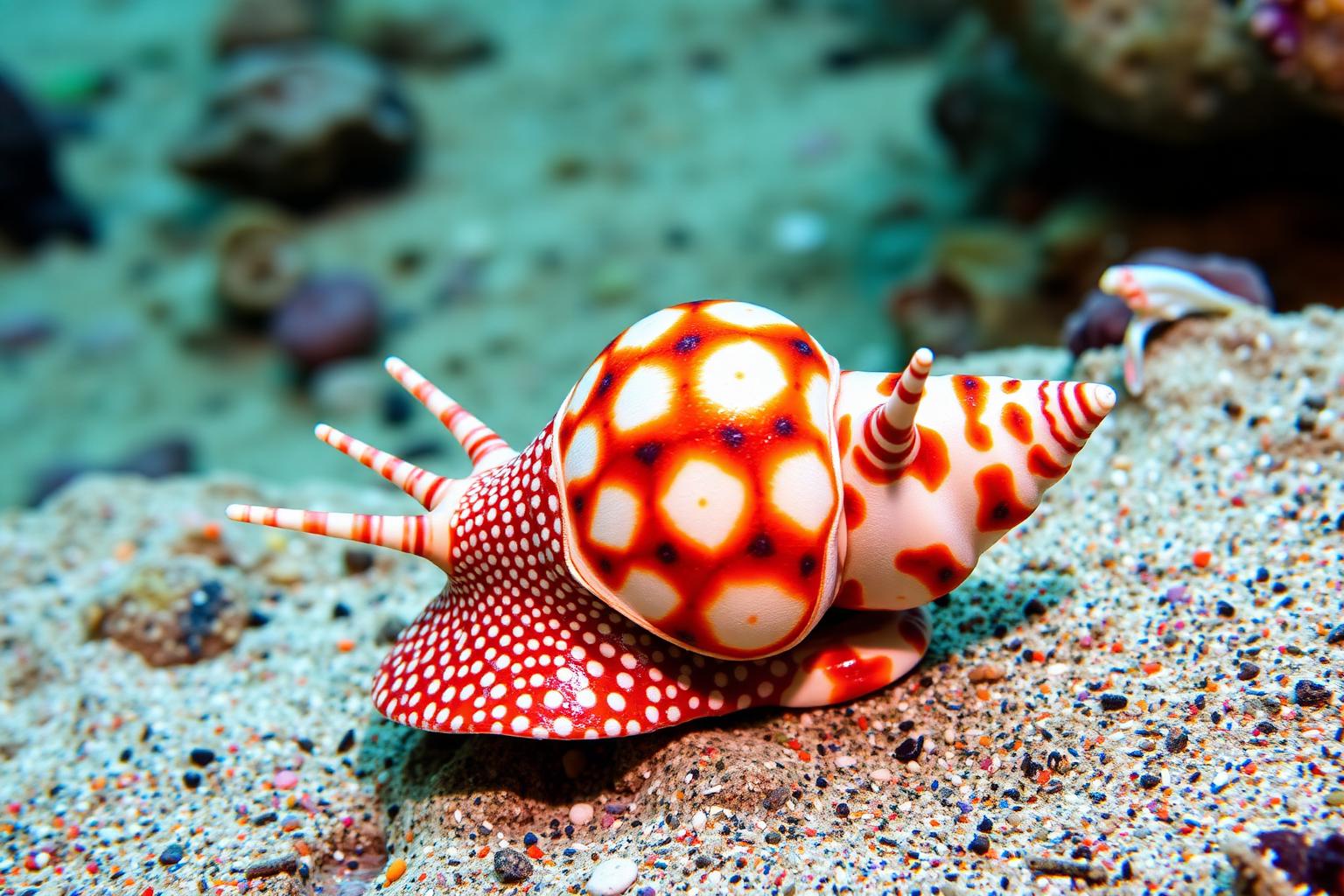
Textile Cone Snail
A beautiful but dangerous predator that fires a venomous harpoon to paralyze fish — and whose toxins inspire modern medicine.