
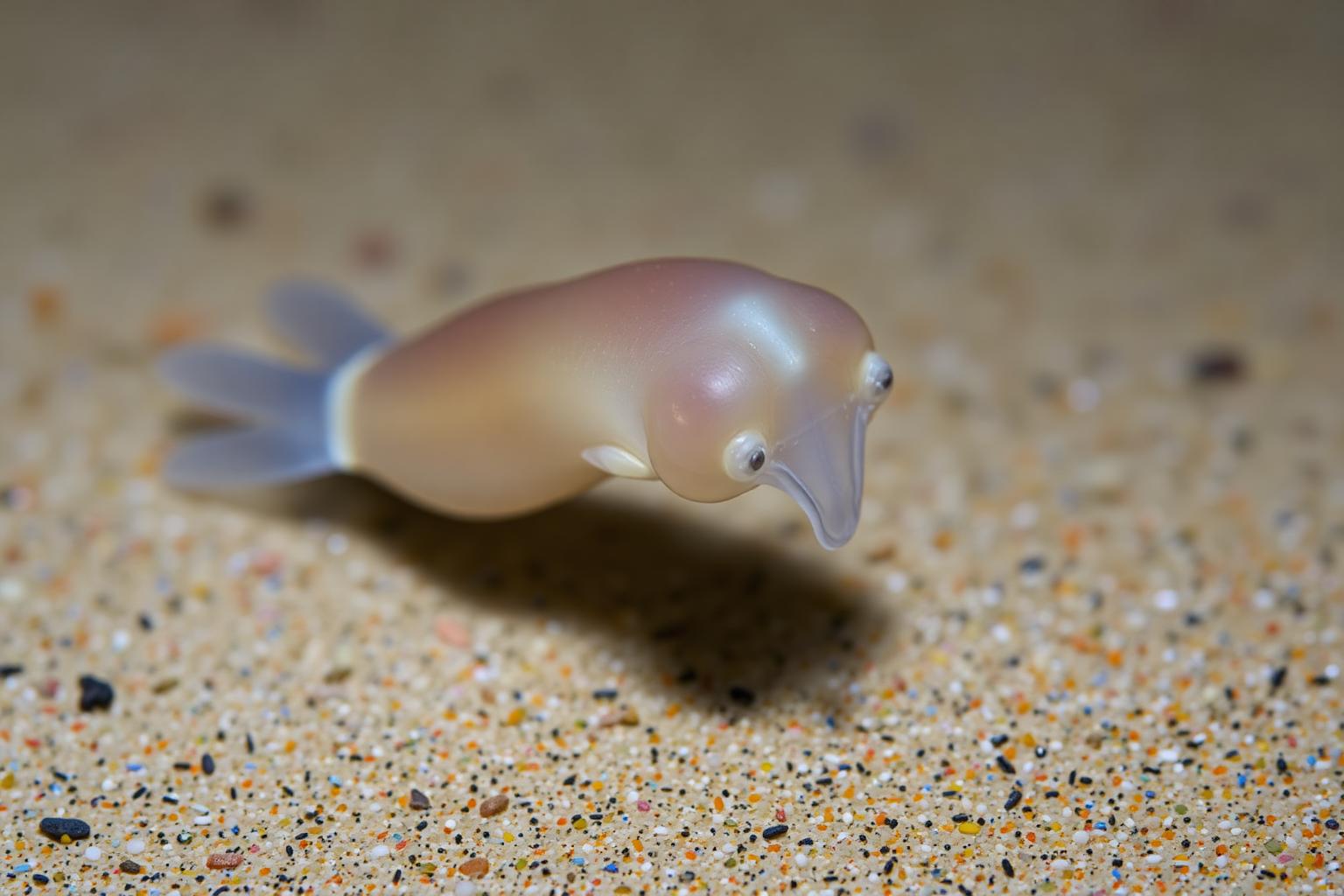
Hawaiian Bobtail Squid.
A thumb-sized squid that hides in plain sight using bioluminescent bacteria to erase its own shadow under the moon.
The Hawaiian bobtail squid is one of the most studied animals in modern biology. Found in shallow sandy areas around the Hawaiian Islands, it spends its days buried in the sand and emerges at night to hunt small shrimp.
Its most remarkable feature is a symbiotic light organ on its underside, populated by bioluminescent bacteria called Vibrio fischeri. The squid adjusts the brightness of these bacteria to exactly match the moonlight from above, eliminating the silhouette that would otherwise reveal it to predators below.
Each morning the squid expels about 95 percent of its bacterial colony, then rebuilds it during the day. This daily reset is one of the cleanest natural examples of a host-microbe partnership and has reshaped scientists' understanding of how animals and bacteria coevolve.
Bobtail squid live only about three to ten months. Their entire life cycle, from hatching with no bacteria to forming a fully functional light organ, has been mapped by researchers around the world.
More species in this group.
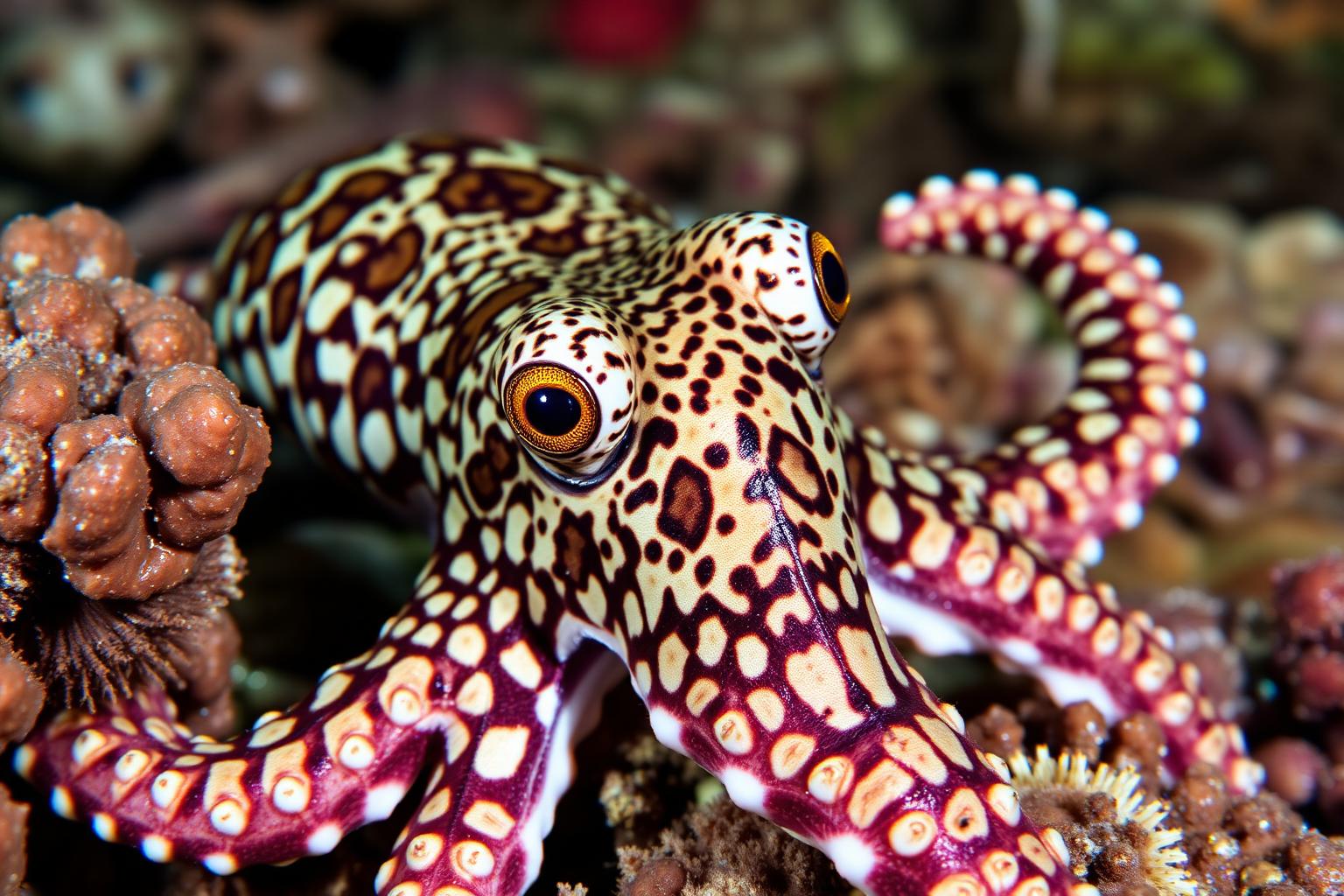
Day Octopus
A daytime hunter and master shapeshifter, Hawaiʻi's most commonly seen octopus can change color and texture in under a second.
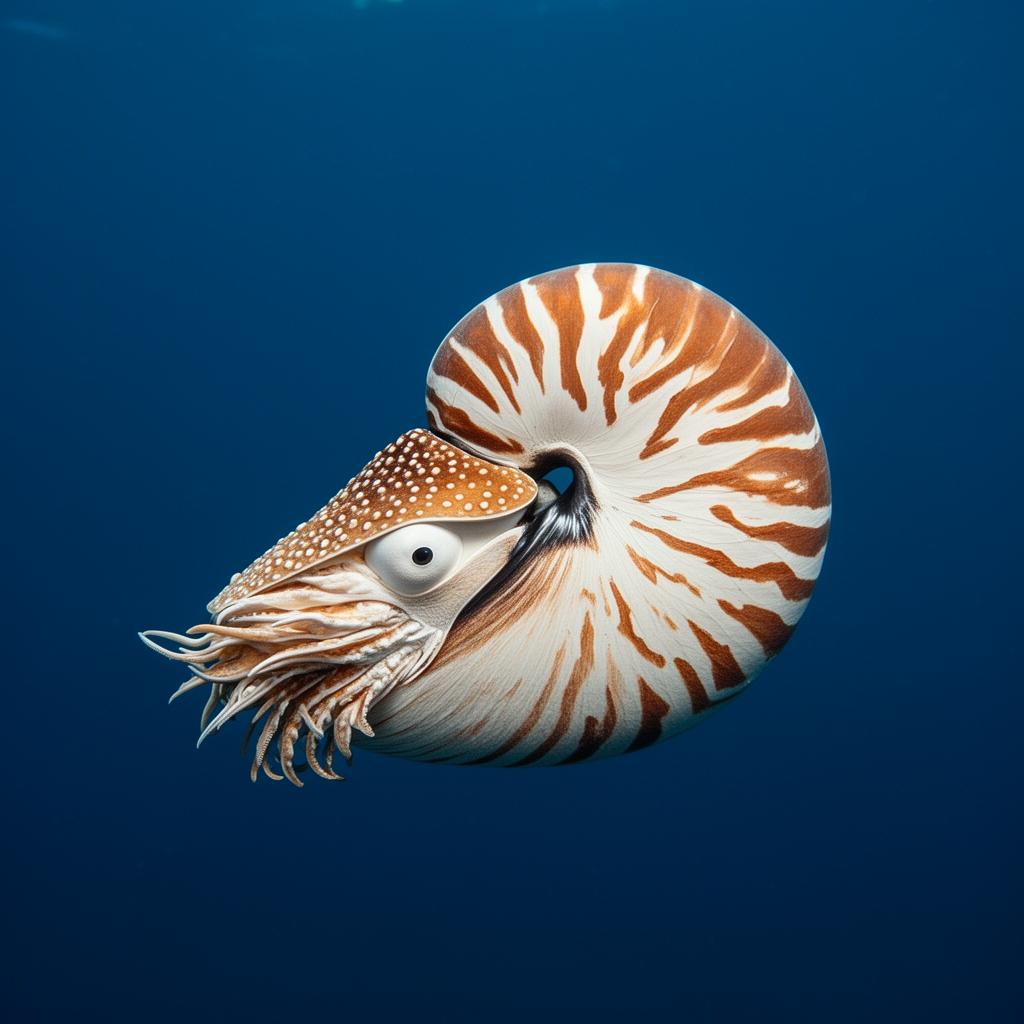
Chambered Nautilus
A living fossil whose ancestors swam alongside dinosaurs, the nautilus drifts through deep reefs in a perfect spiral shell.
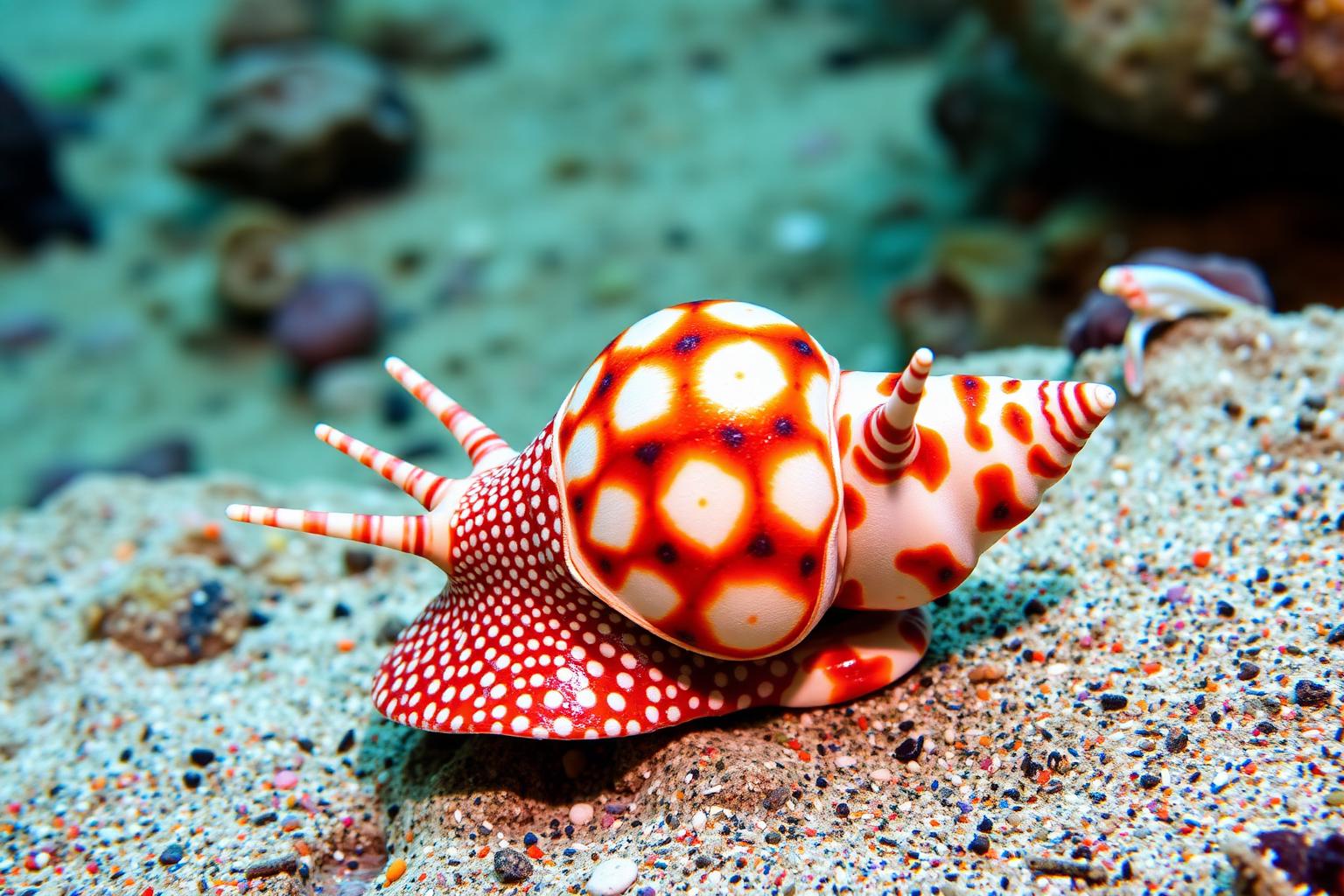
Textile Cone Snail
A beautiful but dangerous predator that fires a venomous harpoon to paralyze fish — and whose toxins inspire modern medicine.
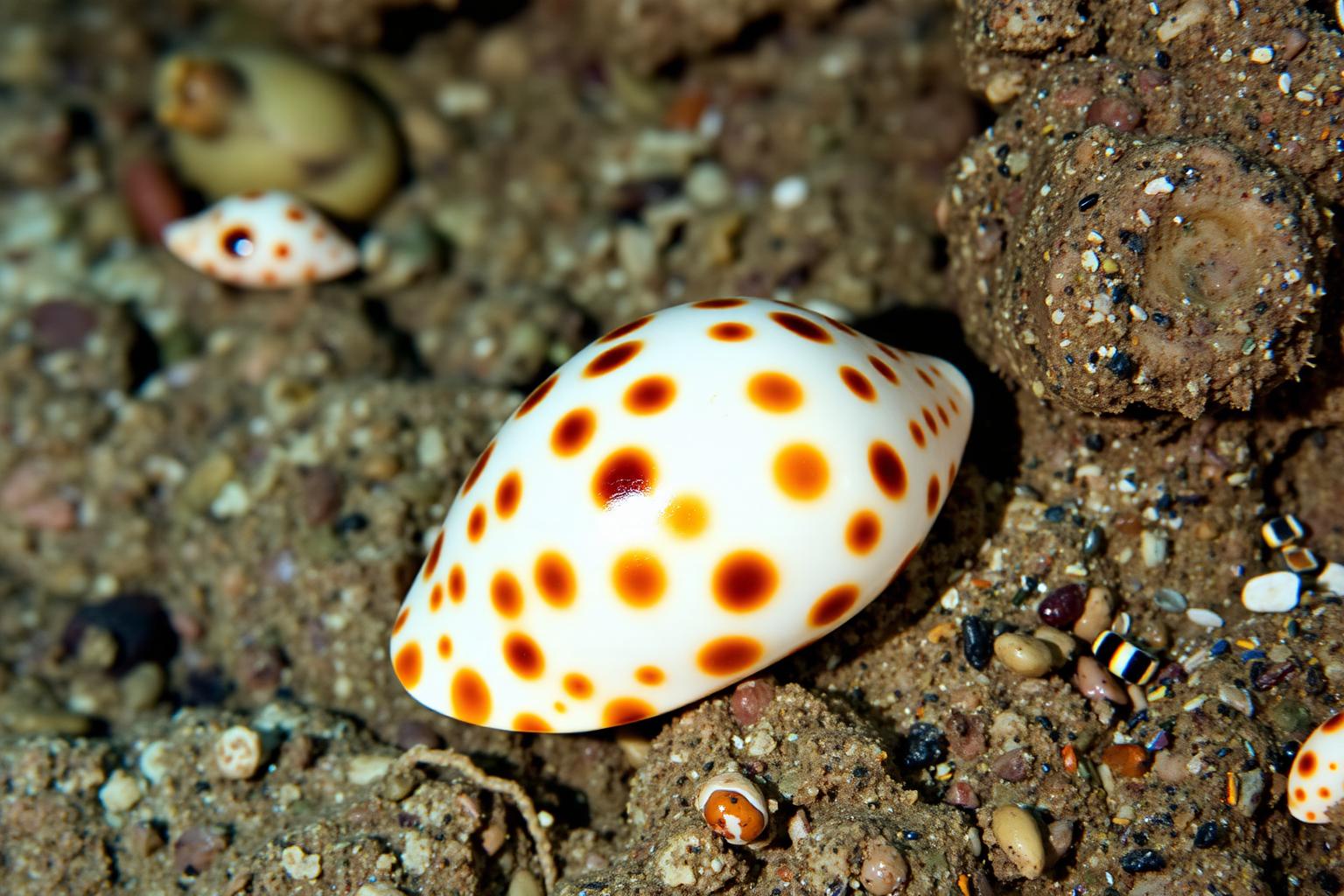
Tiger Cowrie
Treasured for its glossy spotted shell, the tiger cowrie polishes its own surface with a fleshy mantle that wraps the shell completely.