
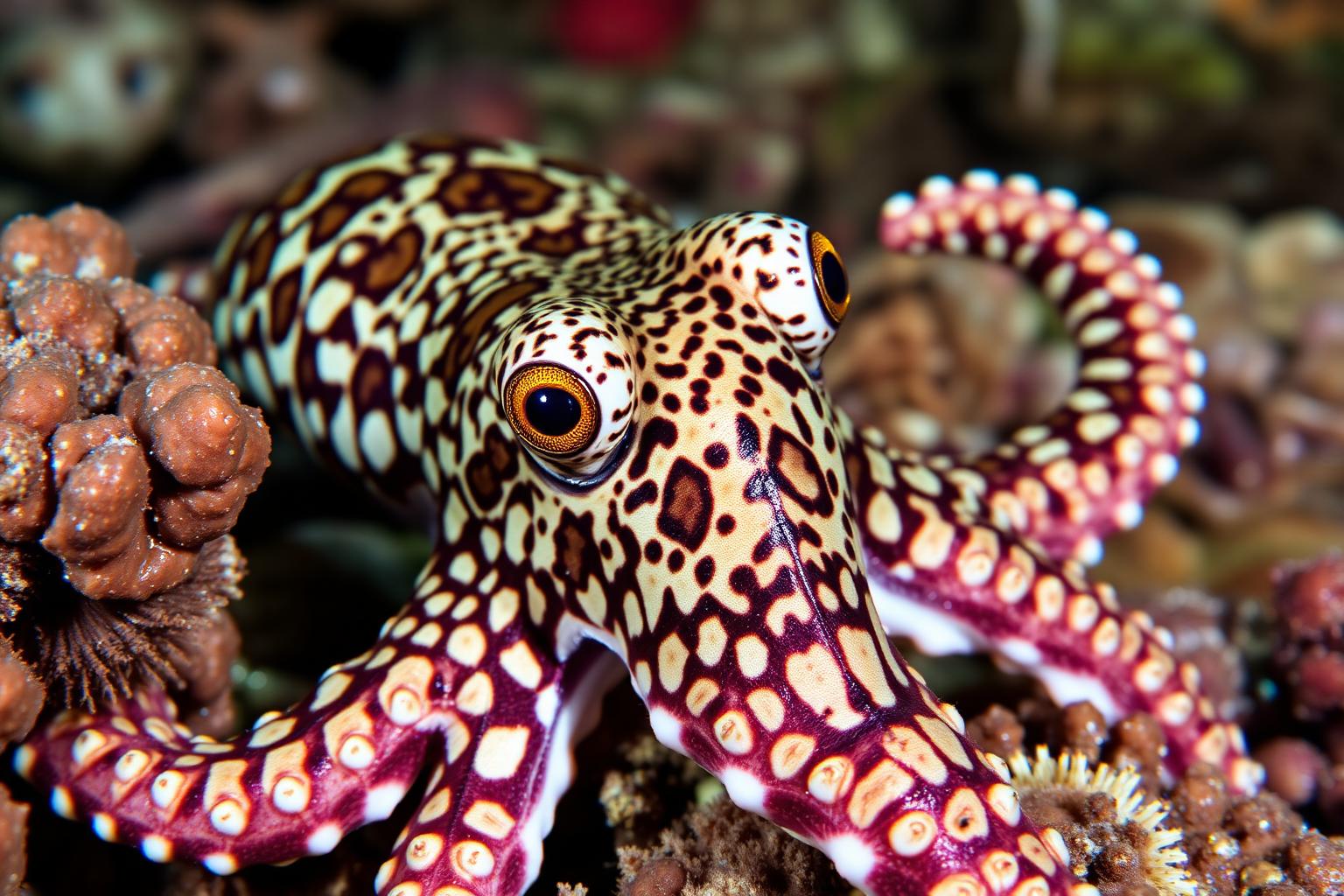
Day Octopus.
A daytime hunter and master shapeshifter, Hawaiʻi's most commonly seen octopus can change color and texture in under a second.
The day octopus is the most commonly encountered octopus on Hawaiian reefs. Unlike most of its relatives, it forages during daylight hours, prowling reef flats for crabs, shrimp and small fish. It is a relentless and intelligent hunter, often spreading its web like a parachute over crevices to trap prey.
Like all octopuses, heʻe has three hearts, blue copper-based blood and an extraordinary nervous system, with two-thirds of its neurons distributed through its eight arms. Each arm tastes, touches and decides for itself.
Color and texture changes are nearly instantaneous, controlled by millions of pigment cells called chromatophores and skin muscles that raise the surface into bumps and ridges. The octopus can match almost any background, mimicking coral, sand or algae in less than a second.
Day octopuses are short-lived, typically only a year or two. After mating, females stop eating and devote themselves to guarding their eggs until they hatch, then die. Despite their brief lives, octopuses are among the most intelligent invertebrates ever studied, capable of solving puzzles, opening jars and recognizing individual humans.
More species in this group.
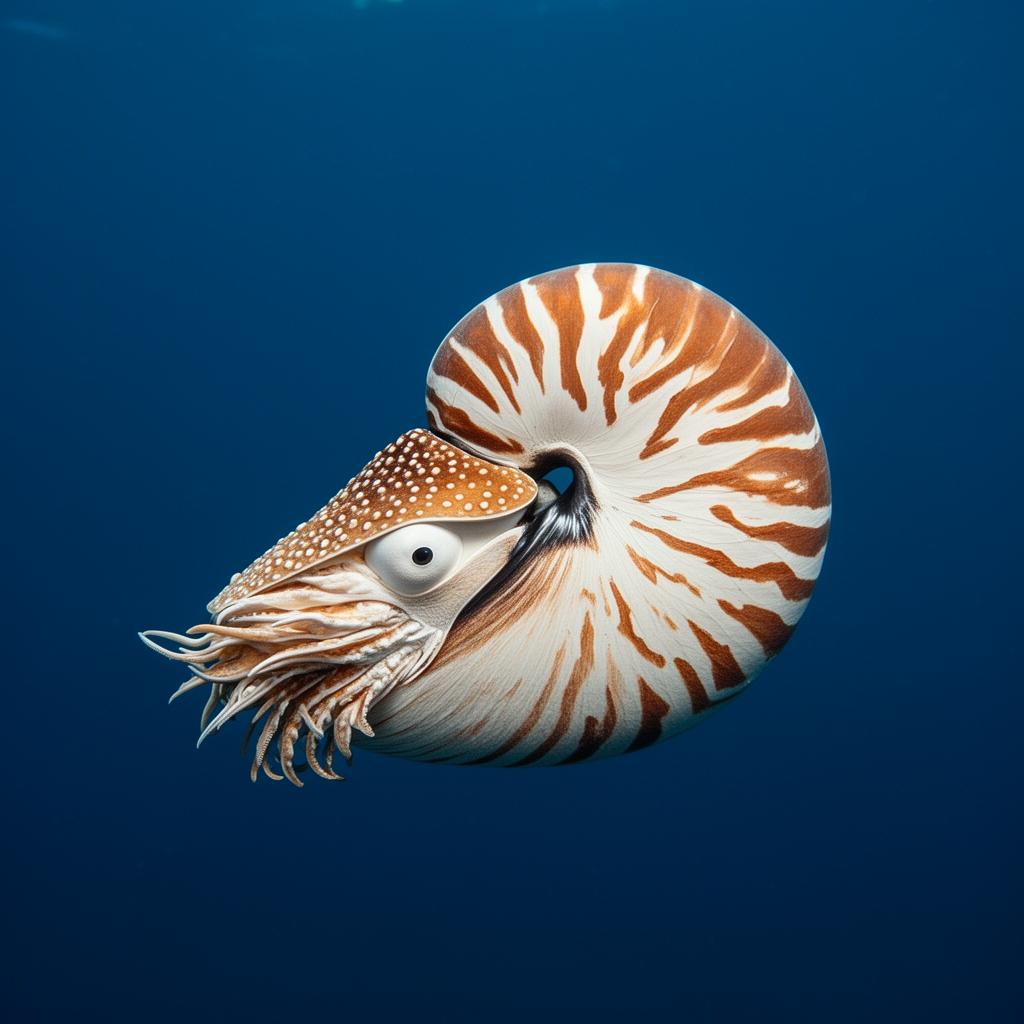
Chambered Nautilus
A living fossil whose ancestors swam alongside dinosaurs, the nautilus drifts through deep reefs in a perfect spiral shell.
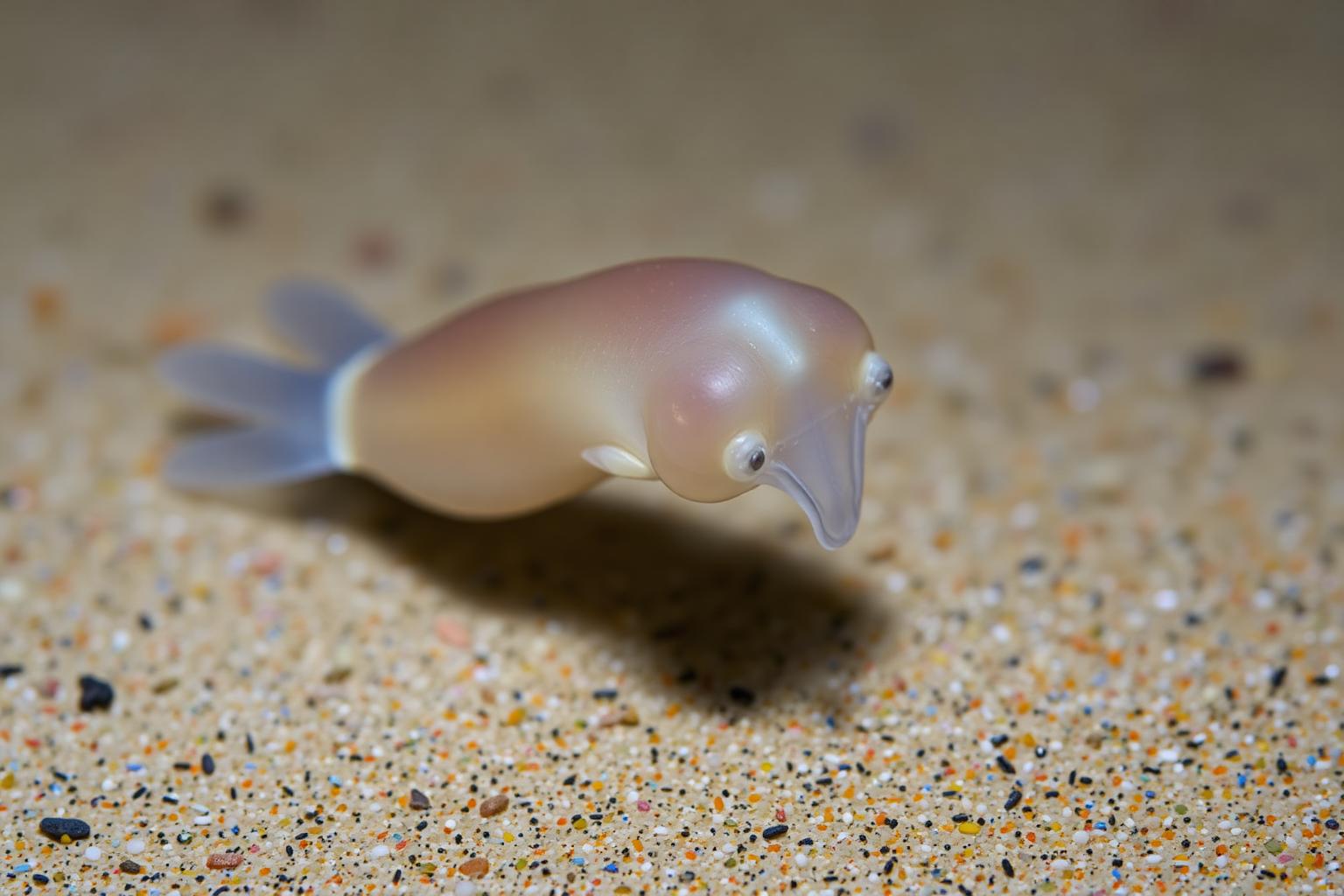
Hawaiian Bobtail Squid
A thumb-sized squid that hides in plain sight using bioluminescent bacteria to erase its own shadow under the moon.
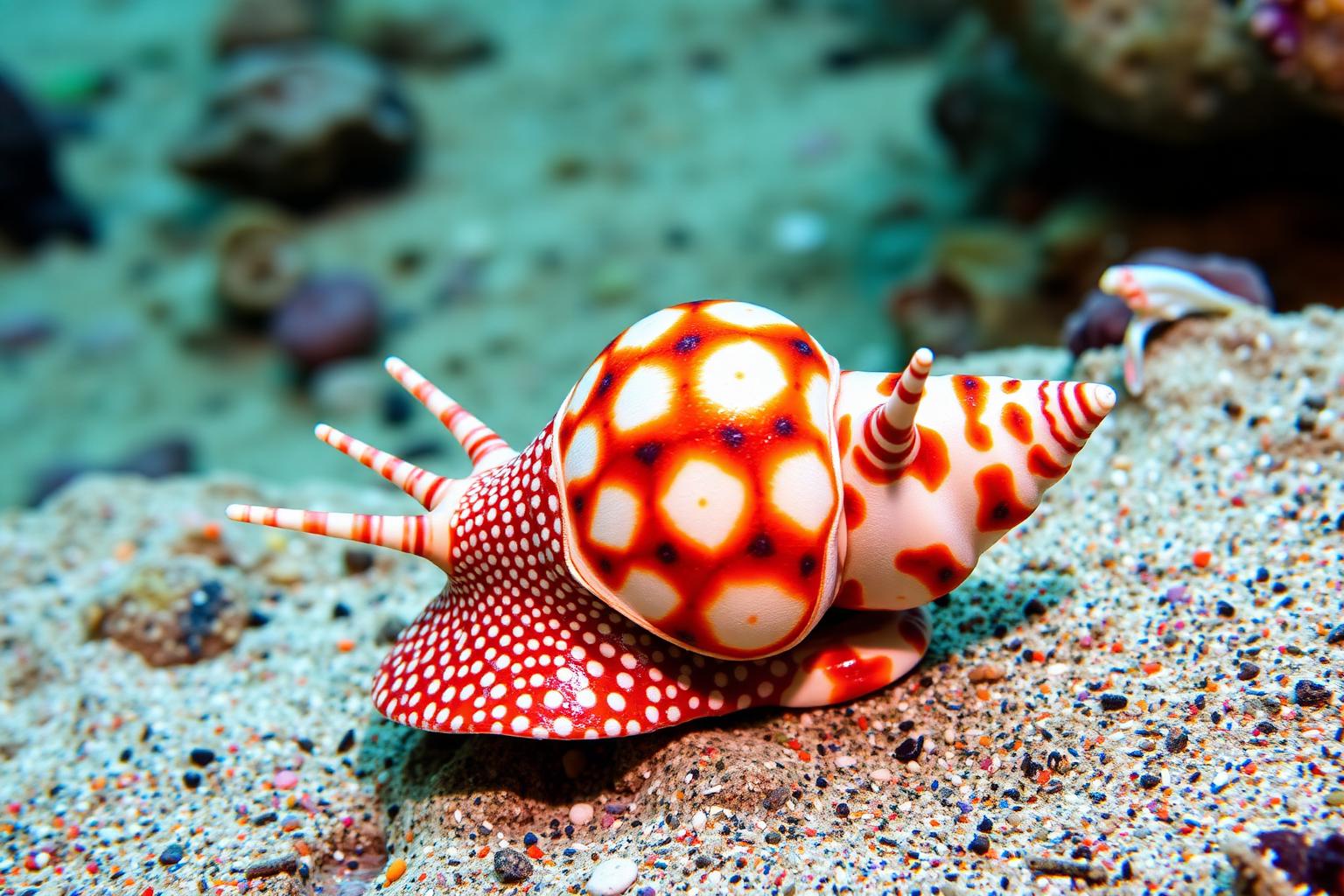
Textile Cone Snail
A beautiful but dangerous predator that fires a venomous harpoon to paralyze fish — and whose toxins inspire modern medicine.
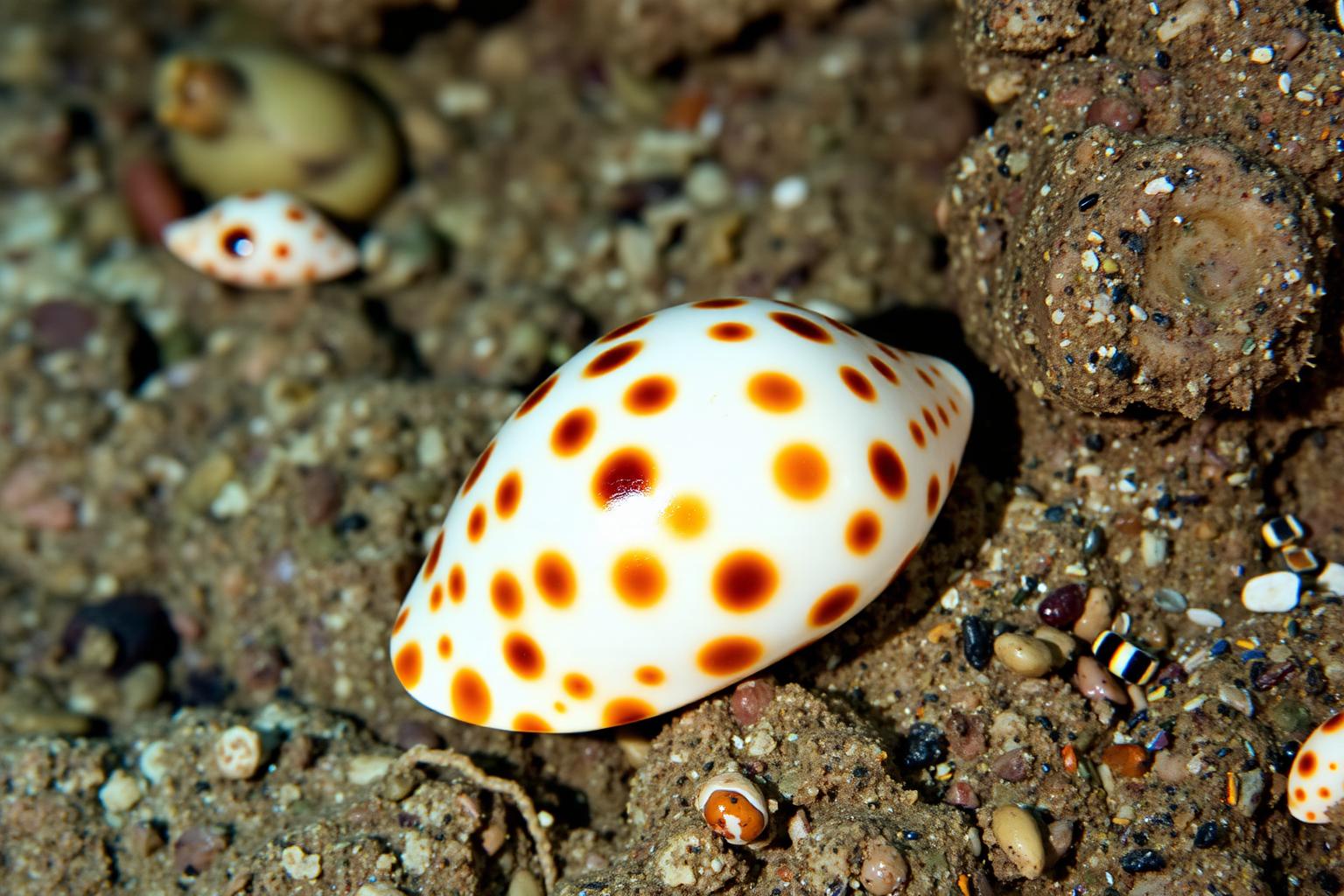
Tiger Cowrie
Treasured for its glossy spotted shell, the tiger cowrie polishes its own surface with a fleshy mantle that wraps the shell completely.