
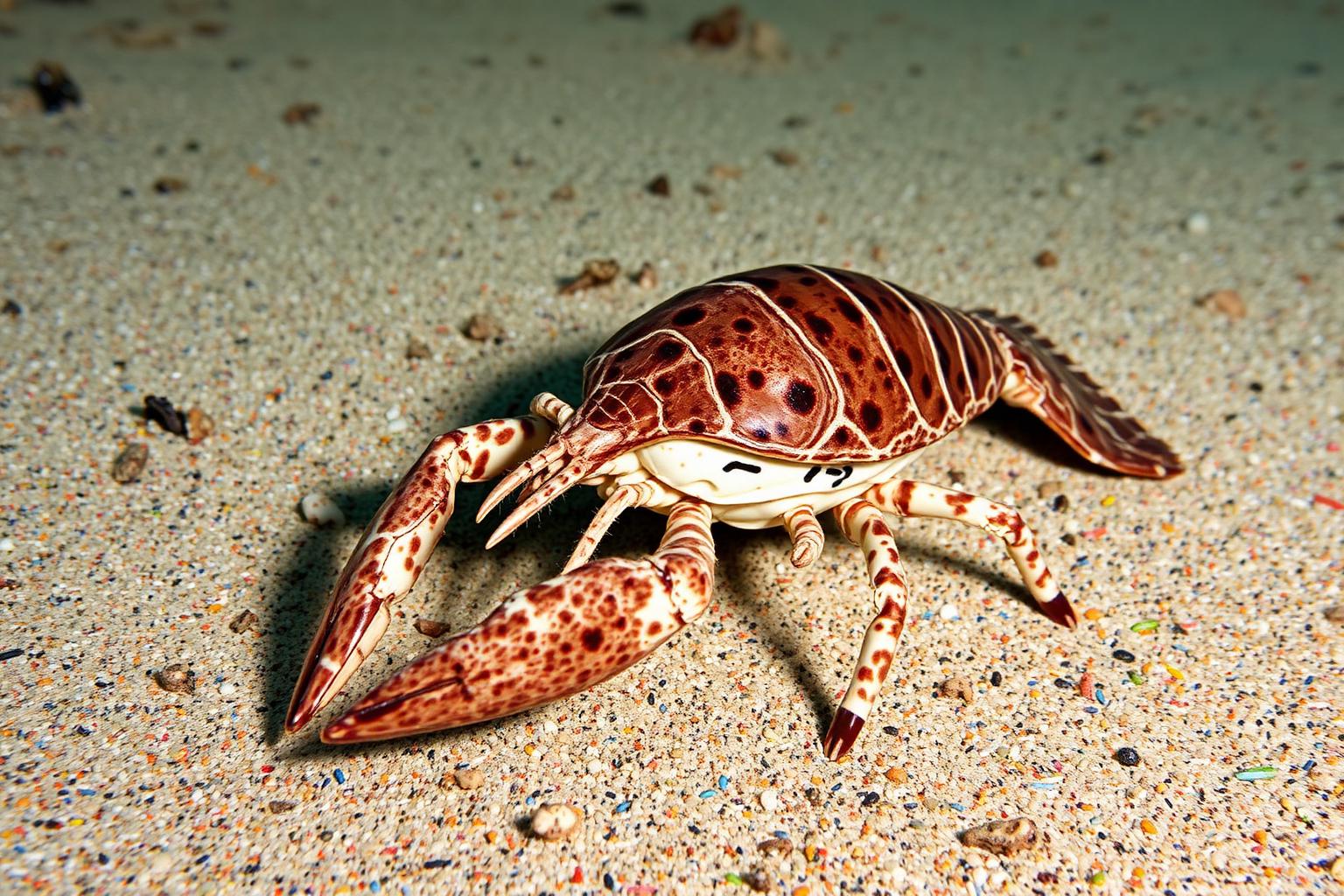
Hawaiian Slipper Lobster.
A flat, shovel-shaped lobster that wedges into reef cracks by day and shuffles across the bottom hunting clams and snails by night.
The slipper lobster looks like no other lobster. Its body is flattened from top to bottom and its second pair of antennae are modified into broad, shovel-like plates that gave the family its other common name, shovel-nosed lobsters.
Slipper lobsters use those flat antennae to wedge themselves into narrow cracks and overhangs by day, where they are nearly impossible to dislodge. At night they emerge to hunt mostly hard-shelled prey, especially clams, mussels and snails, which they pry open with surprising patience.
Like ula, slipper lobsters have an unusually long larval stage, drifting in the open ocean for many months before settling onto reefs as miniature versions of the adults.
Once common, slipper lobsters have been heavily fished throughout the Pacific. State regulations protect egg-bearing females and set minimum sizes year-round.
More species in this group.
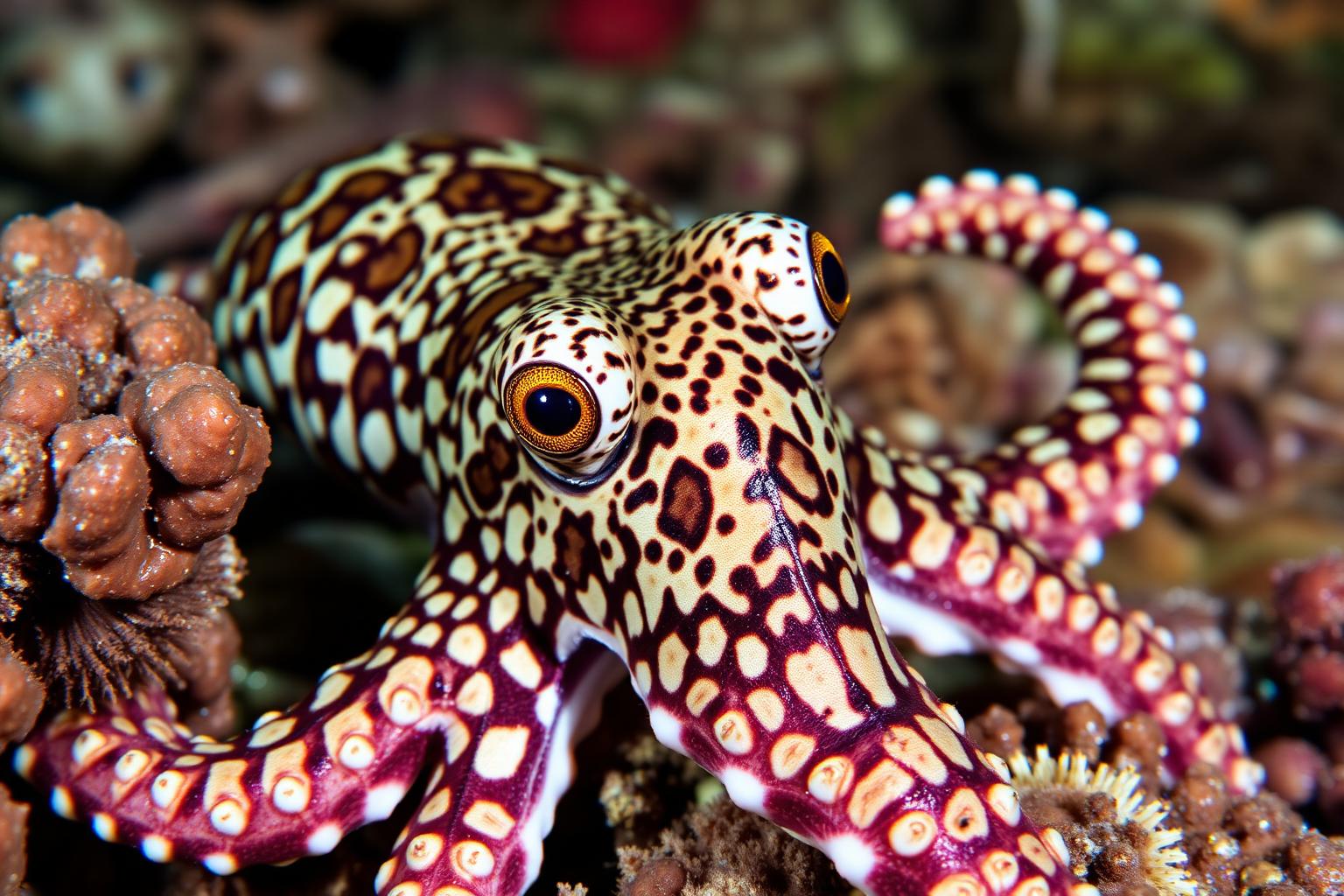
Day Octopus
A daytime hunter and master shapeshifter, Hawaiʻi's most commonly seen octopus can change color and texture in under a second.
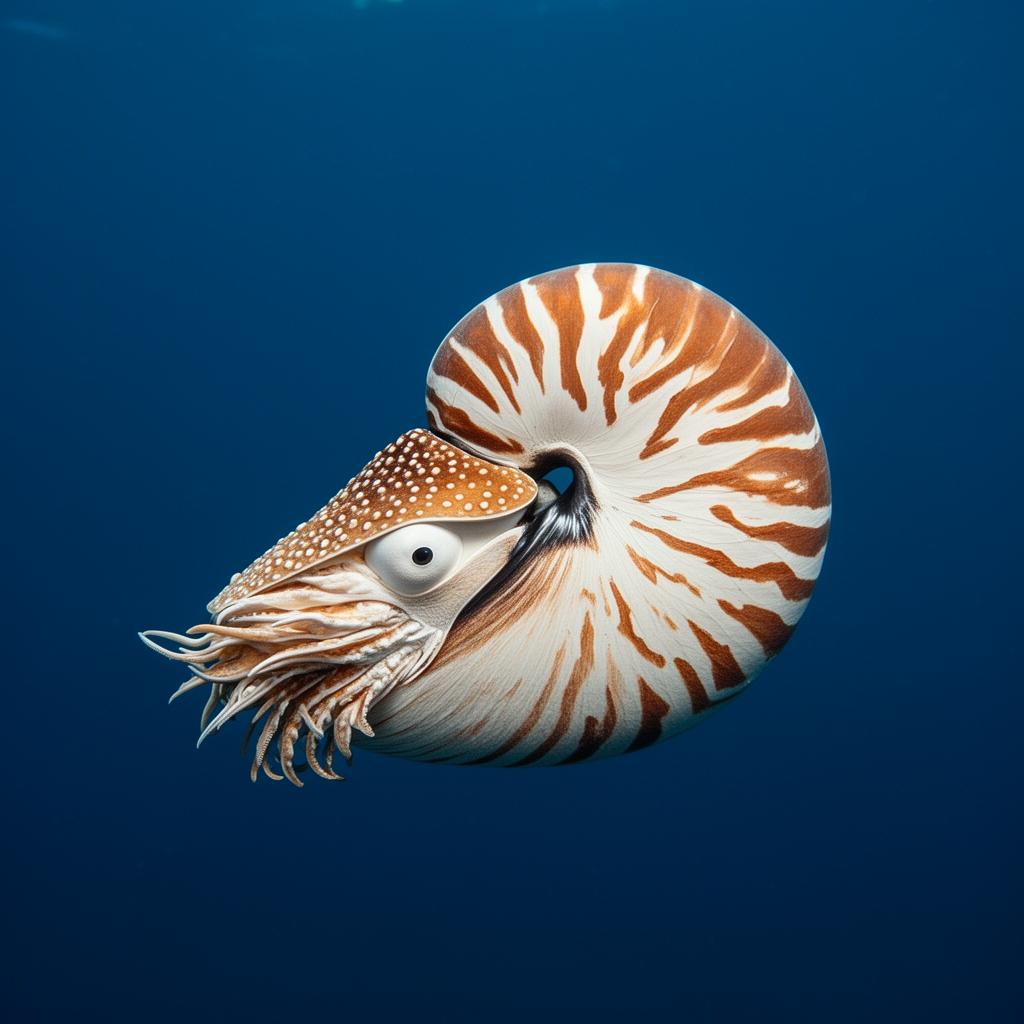
Chambered Nautilus
A living fossil whose ancestors swam alongside dinosaurs, the nautilus drifts through deep reefs in a perfect spiral shell.
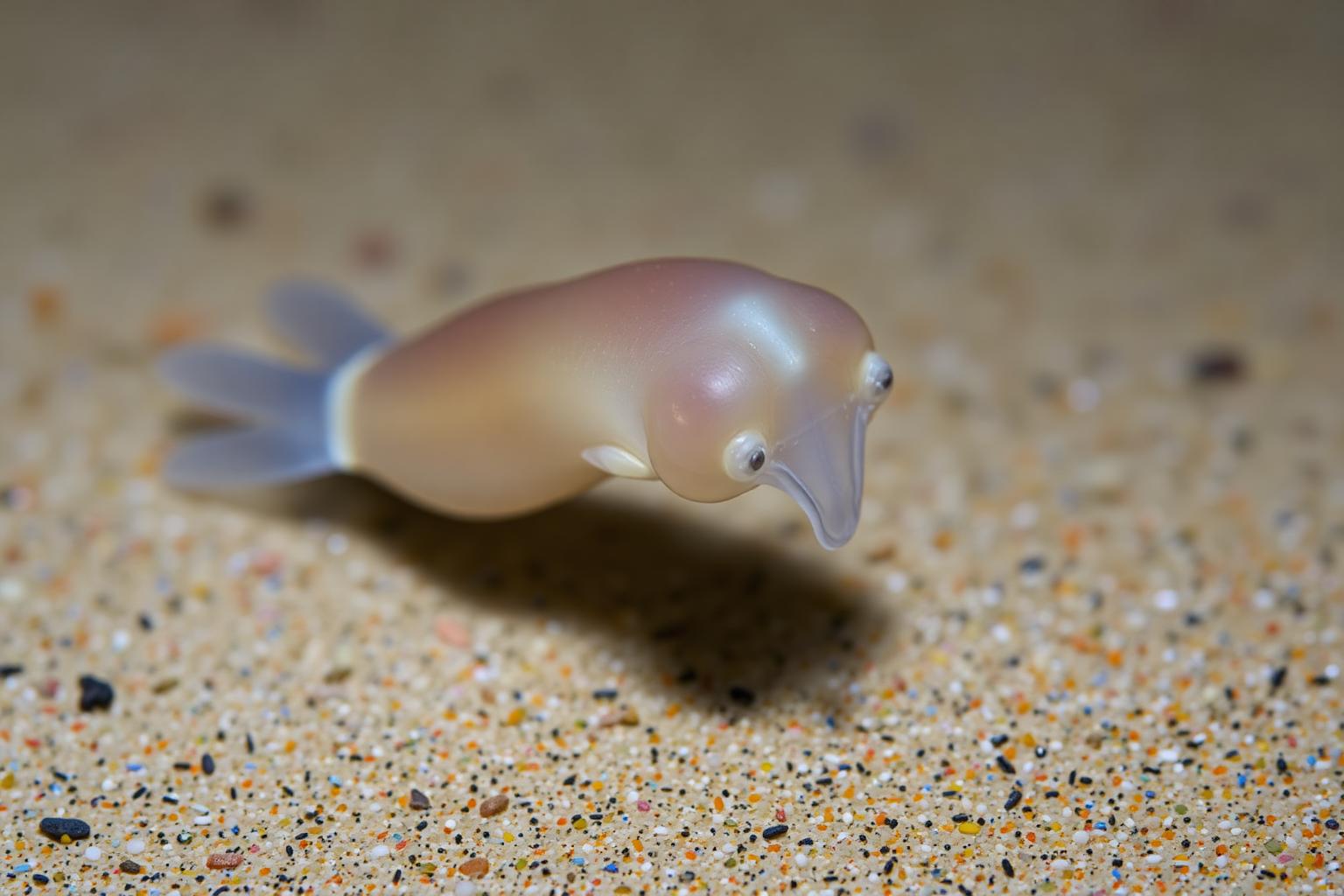
Hawaiian Bobtail Squid
A thumb-sized squid that hides in plain sight using bioluminescent bacteria to erase its own shadow under the moon.
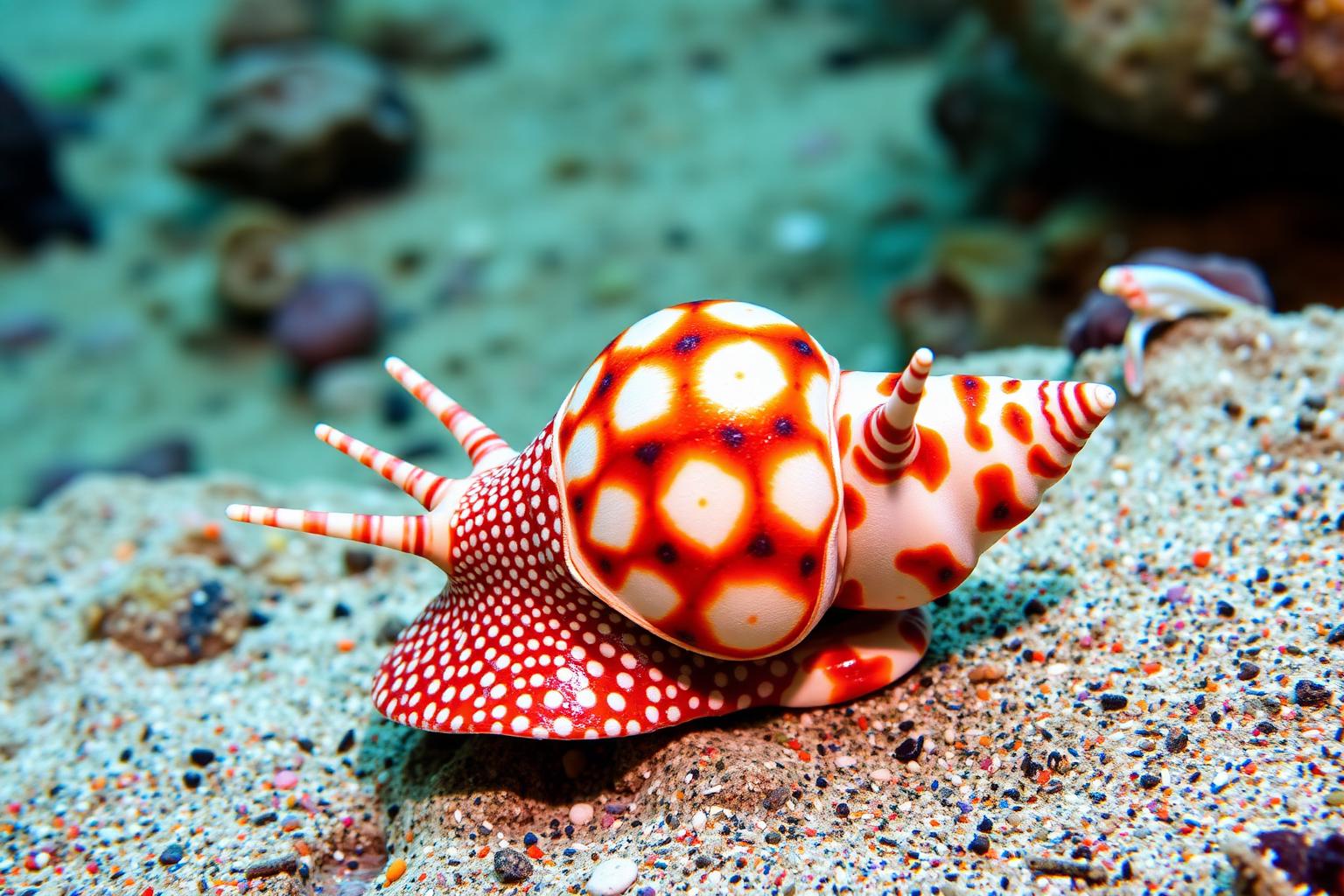
Textile Cone Snail
A beautiful but dangerous predator that fires a venomous harpoon to paralyze fish — and whose toxins inspire modern medicine.