
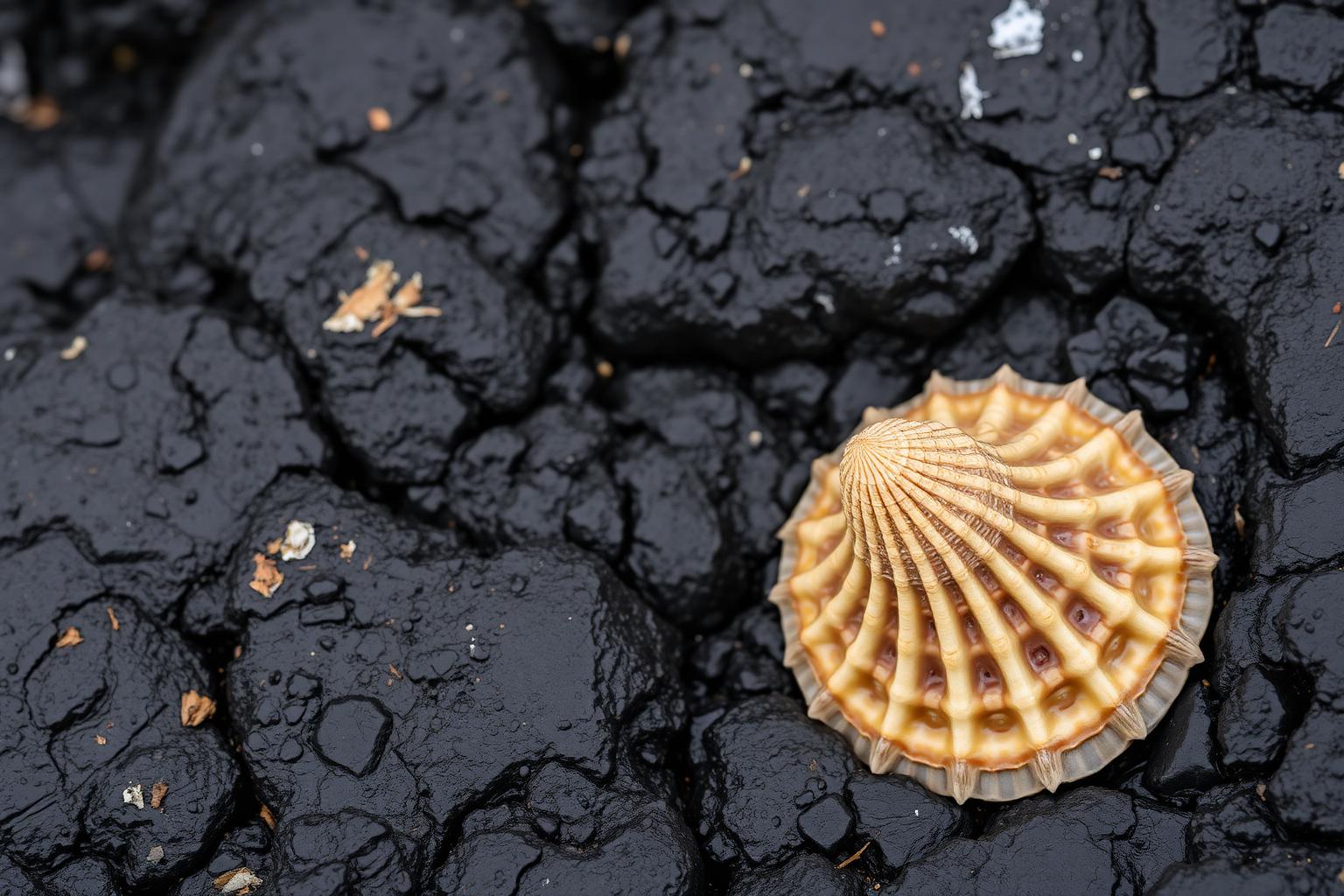
ʻOpihi ʻOpihi.
A prized Hawaiian limpet that clings to wave-pounded lava rock — a delicacy so dangerous to harvest it is called "the fish of death."
ʻOpihi are limpets, single-shelled snails that clamp tightly to rocks in the wave-splashed intertidal zone. Three species are endemic to Hawaiʻi: ʻopihi makaiauli (blackfoot), ʻopihi ʻālinalina (yellowfoot) and ʻopihi koʻele (kneecap).
Their conical shells deflect crashing waves while a powerful muscular foot anchors them to the rock with surprising strength. ʻOpihi graze the thin film of algae growing on the rock surface, returning to the exact same spot, called a home scar, after every feeding excursion.
ʻOpihi have been gathered and eaten by Hawaiians for centuries and remain one of the most prized foods at lūʻau. Picking them is so dangerous, requiring people to wade onto wave-battered rocks, that ʻopihi is sometimes called iʻa make, "the fish of death."
Heavy harvesting and habitat loss have caused major declines, especially around the main Hawaiian Islands. Strict size limits, seasonal protections and community-led restoration efforts are working to bring populations back.
More species in this group.
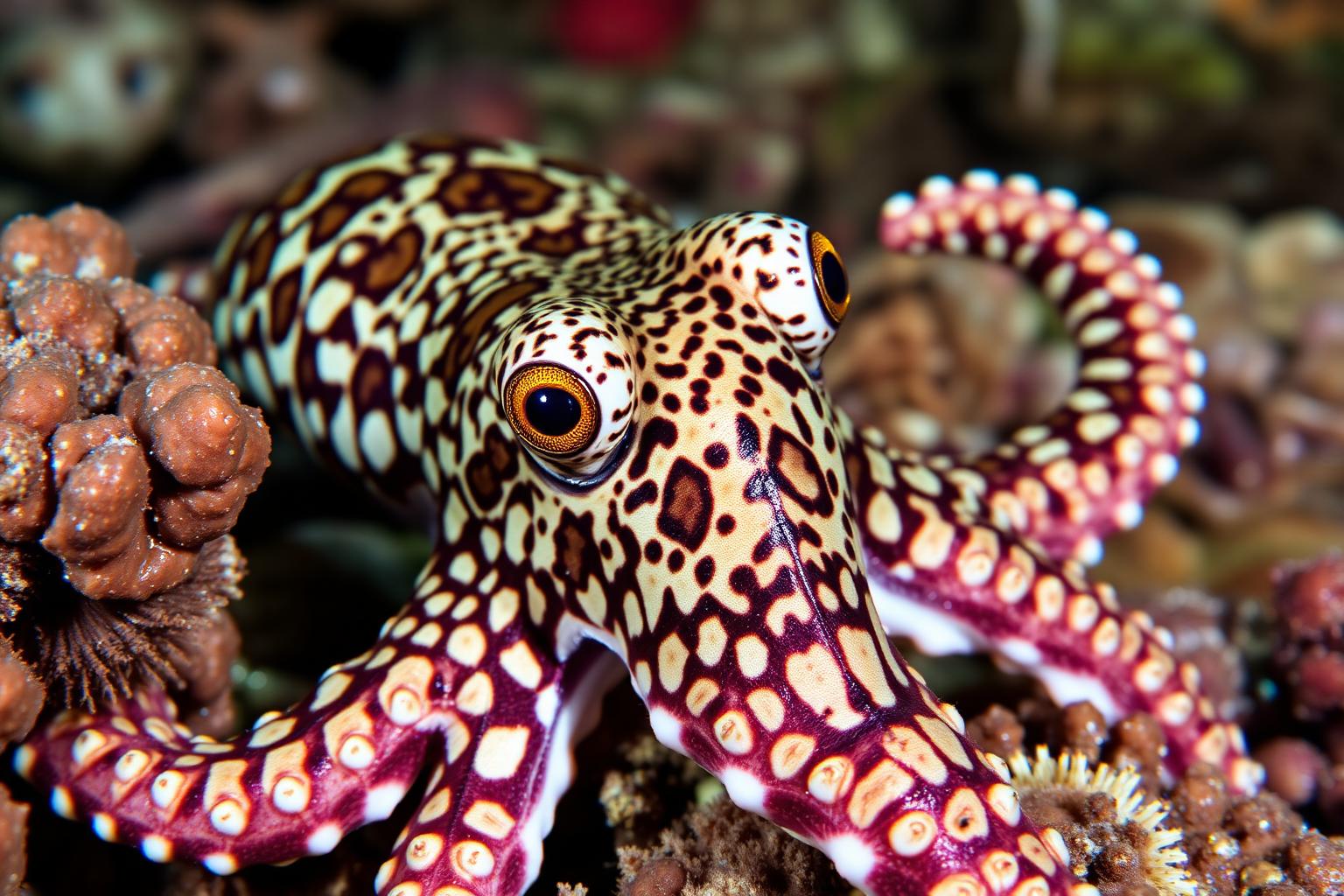
Day Octopus
A daytime hunter and master shapeshifter, Hawaiʻi's most commonly seen octopus can change color and texture in under a second.
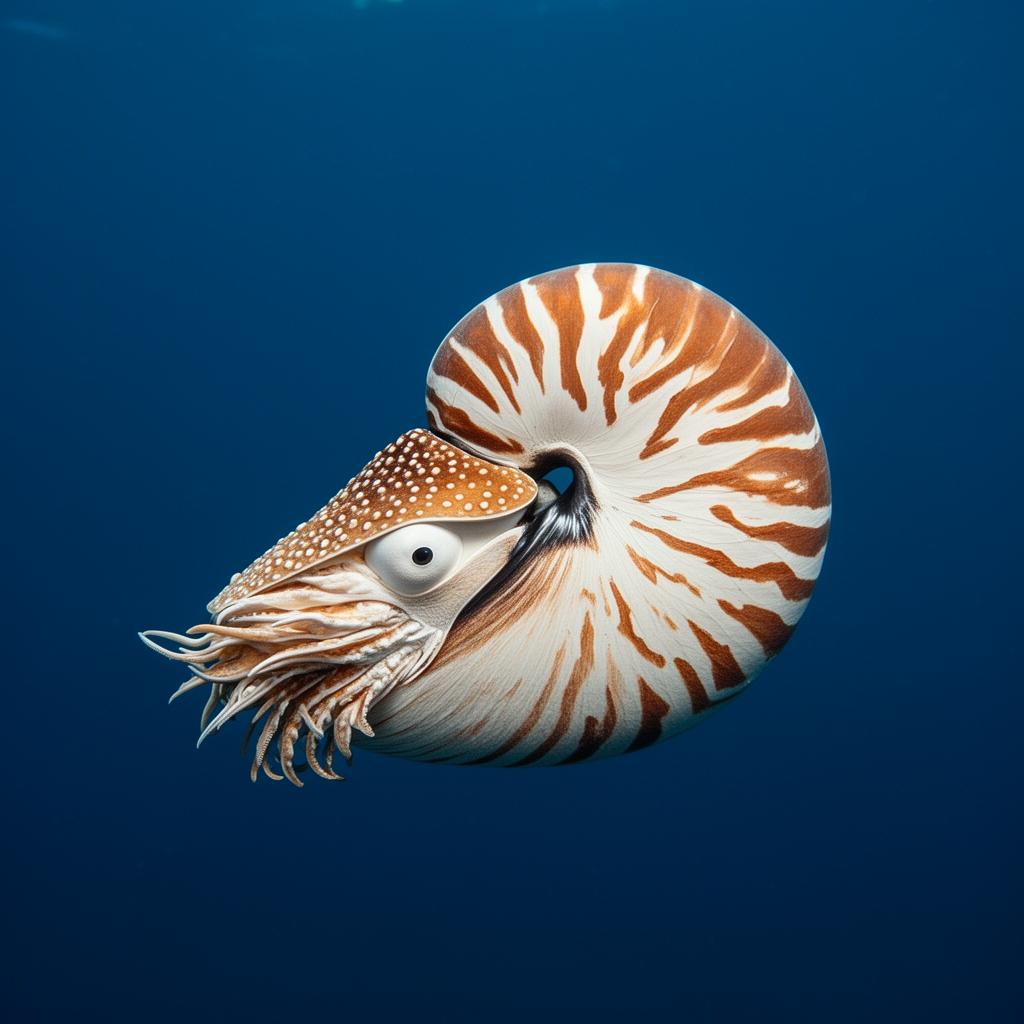
Chambered Nautilus
A living fossil whose ancestors swam alongside dinosaurs, the nautilus drifts through deep reefs in a perfect spiral shell.
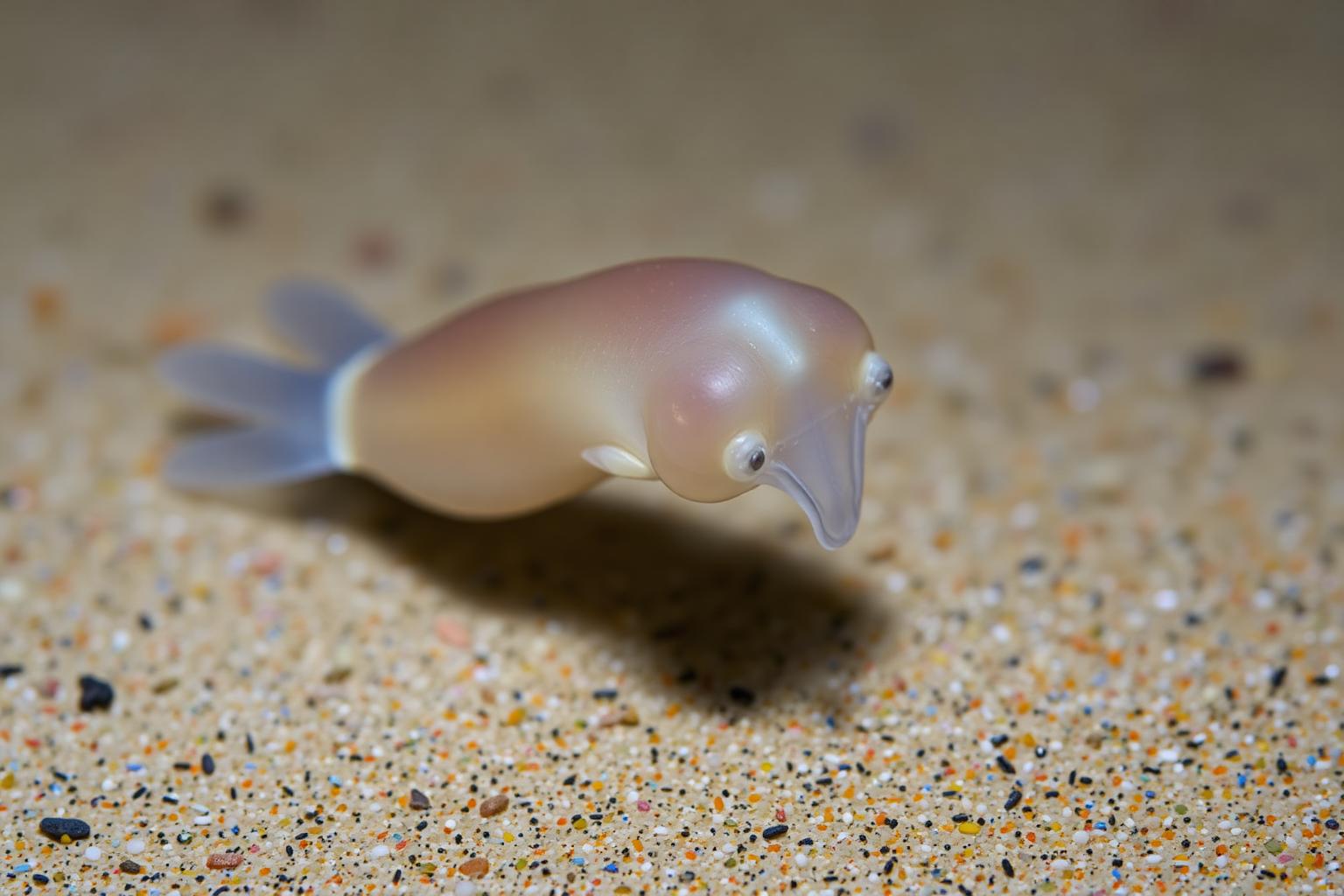
Hawaiian Bobtail Squid
A thumb-sized squid that hides in plain sight using bioluminescent bacteria to erase its own shadow under the moon.
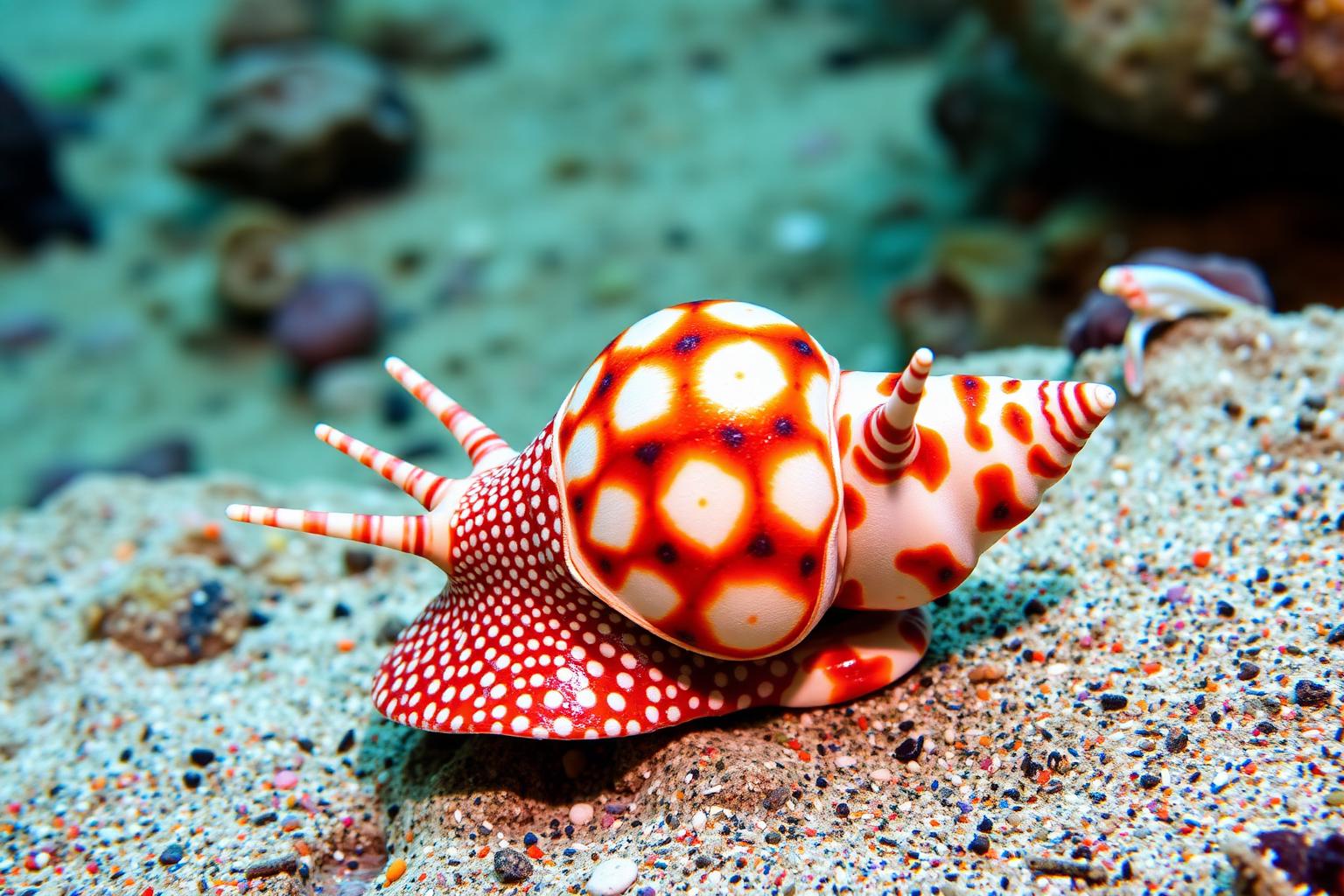
Textile Cone Snail
A beautiful but dangerous predator that fires a venomous harpoon to paralyze fish — and whose toxins inspire modern medicine.