
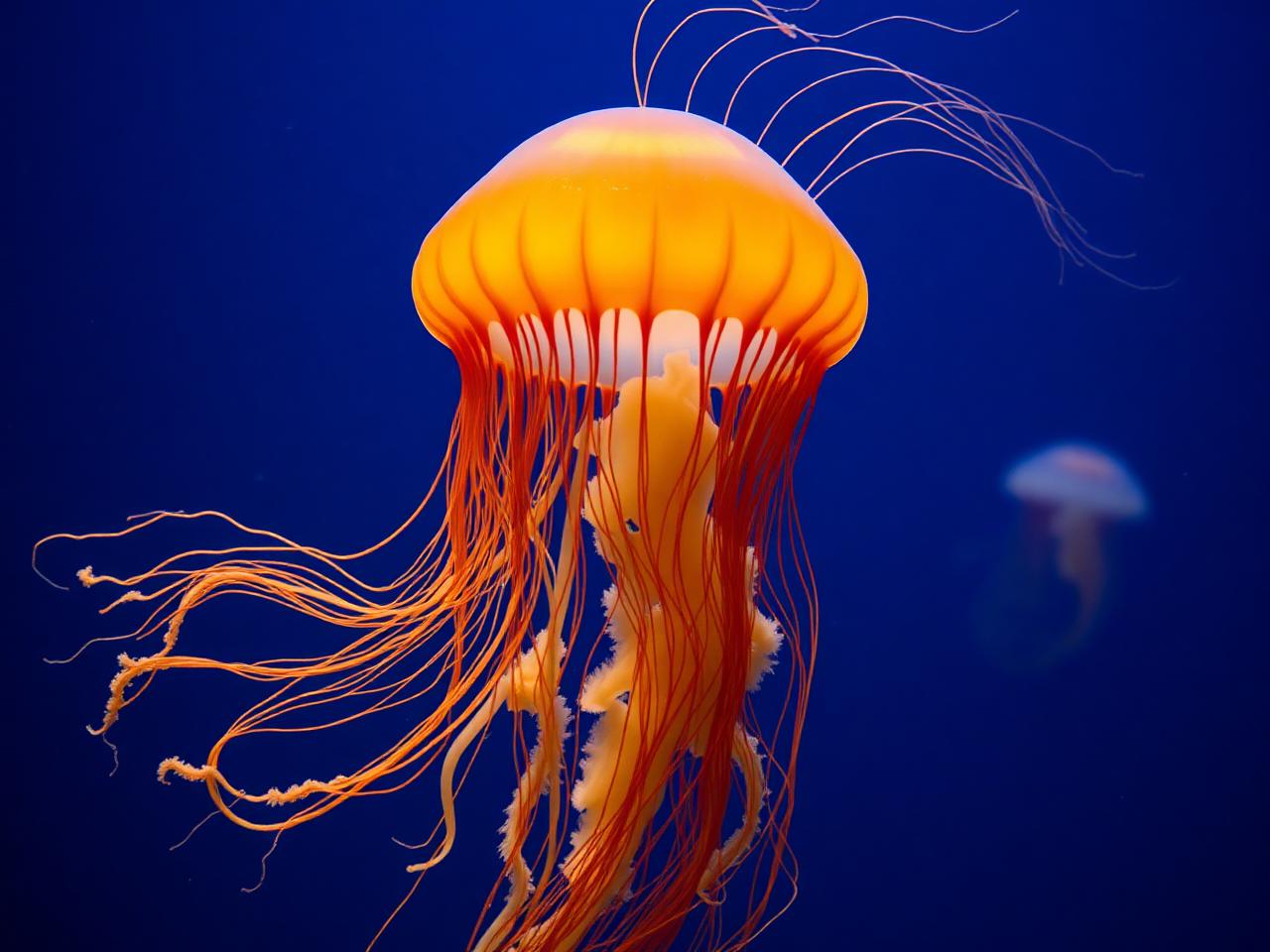
Pacific Sea Nettle.
An amber-orange jelly with frilly oral arms and trailing tentacles — a slow, hypnotic predator of plankton and small fish.
The Pacific sea nettle is a large, golden-amber jellyfish that drifts through cold currents along the eastern Pacific. Its bell can grow over a foot across, with tentacles up to 15 feet long trailing behind. Frilly, lacy oral arms hang from the underside, transferring captured plankton to the mouth.
Sea nettles use their sting both to catch food and to defend themselves. The sting is more painful than a moon jelly's but rarely dangerous — usually a burning rash that fades within an hour. Curiously, certain small crabs and juvenile fish ride along inside the bell, immune to the venom and gaining a mobile fortress of stinging tentacles for protection.
Like all true jellies, sea nettles alternate between two life forms: the swimming medusa most people recognize, and a tiny stalked polyp that lives anchored to hard surfaces and clones itself to release new generations of jellies.
More species in this group.
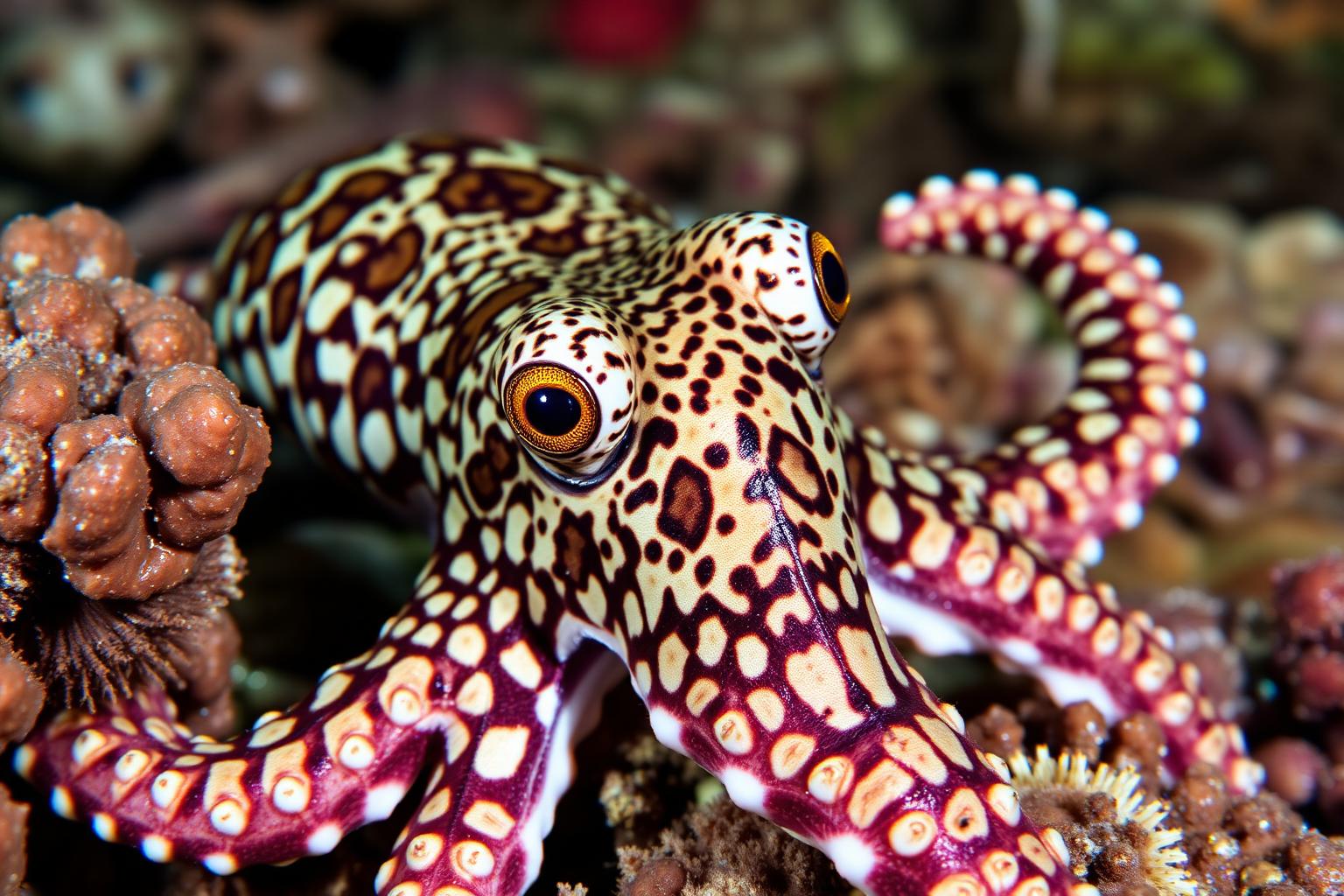
Day Octopus
A daytime hunter and master shapeshifter, Hawaiʻi's most commonly seen octopus can change color and texture in under a second.
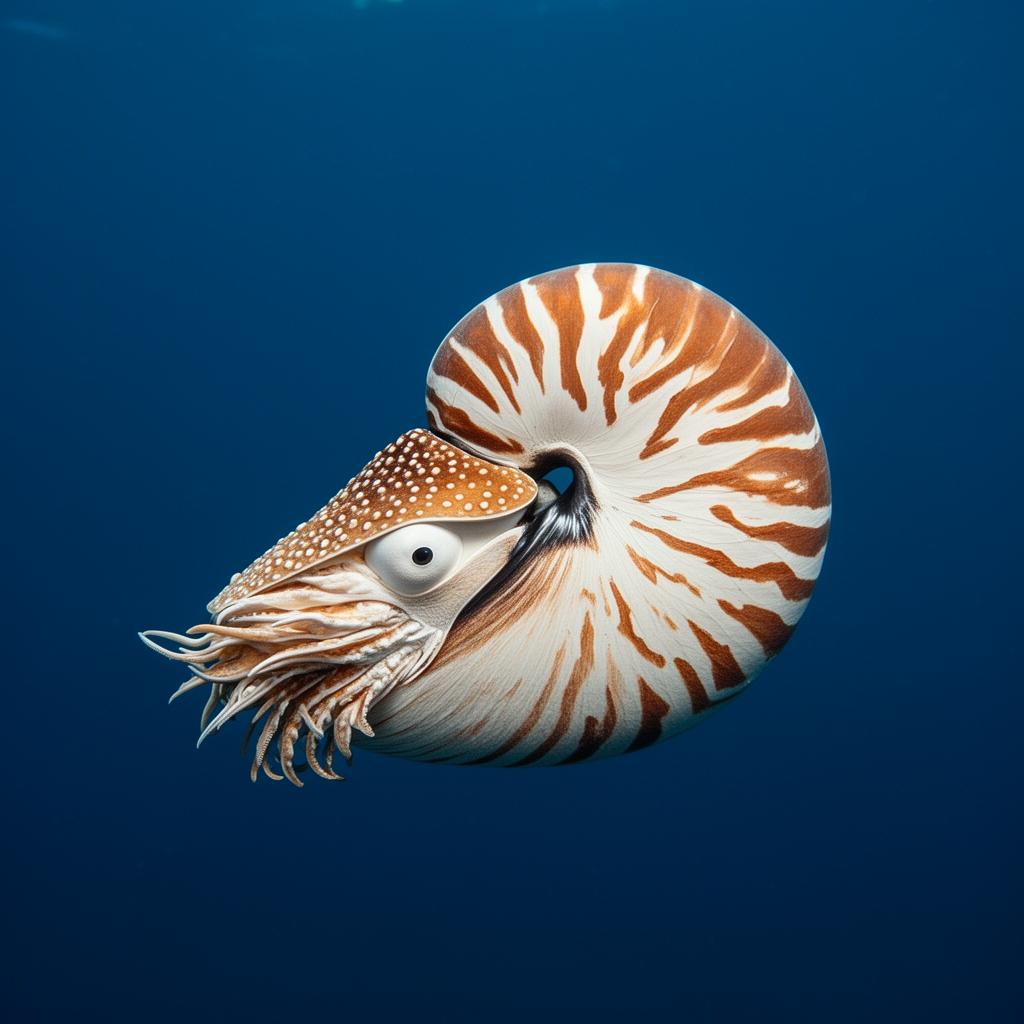
Chambered Nautilus
A living fossil whose ancestors swam alongside dinosaurs, the nautilus drifts through deep reefs in a perfect spiral shell.
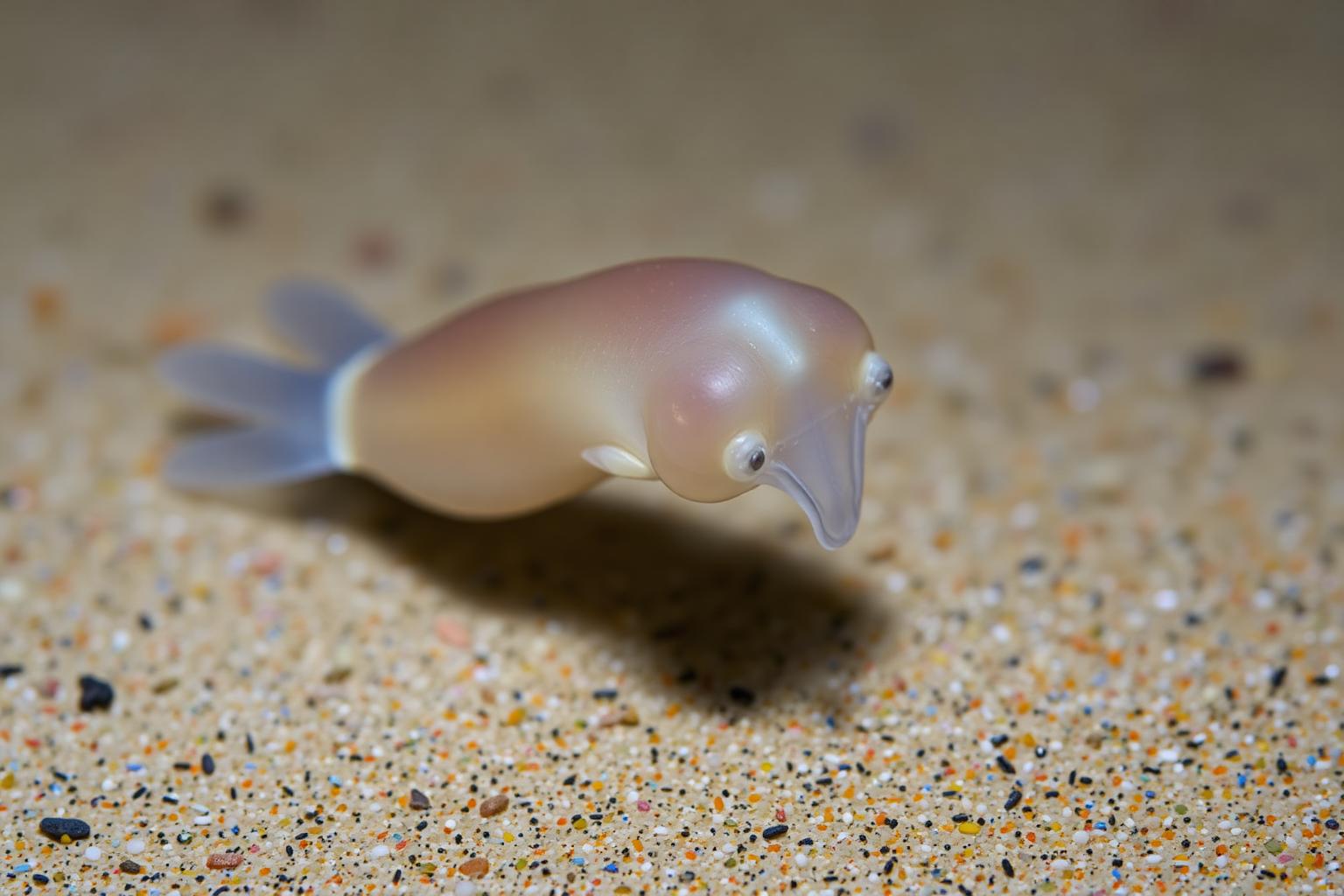
Hawaiian Bobtail Squid
A thumb-sized squid that hides in plain sight using bioluminescent bacteria to erase its own shadow under the moon.
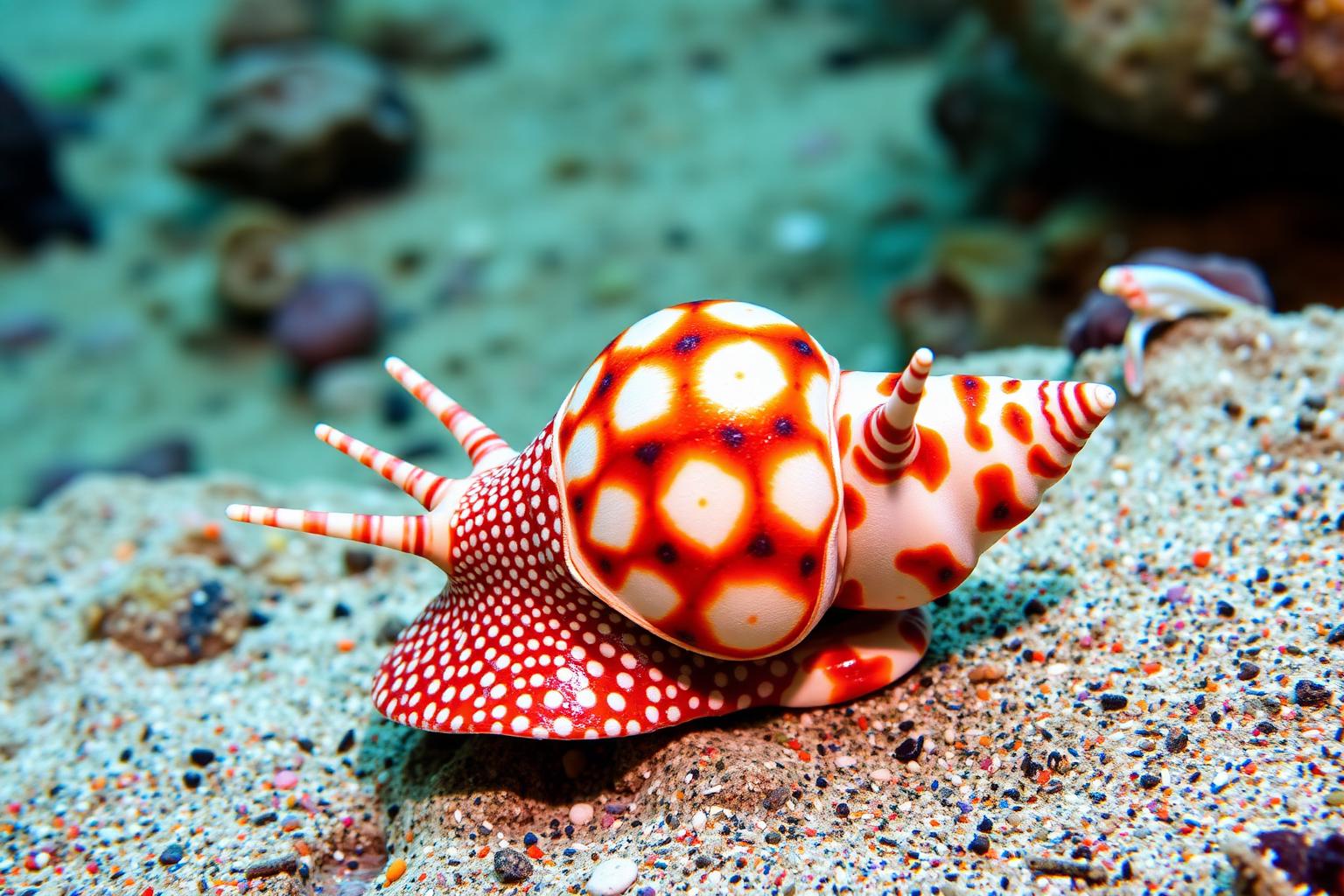
Textile Cone Snail
A beautiful but dangerous predator that fires a venomous harpoon to paralyze fish — and whose toxins inspire modern medicine.