
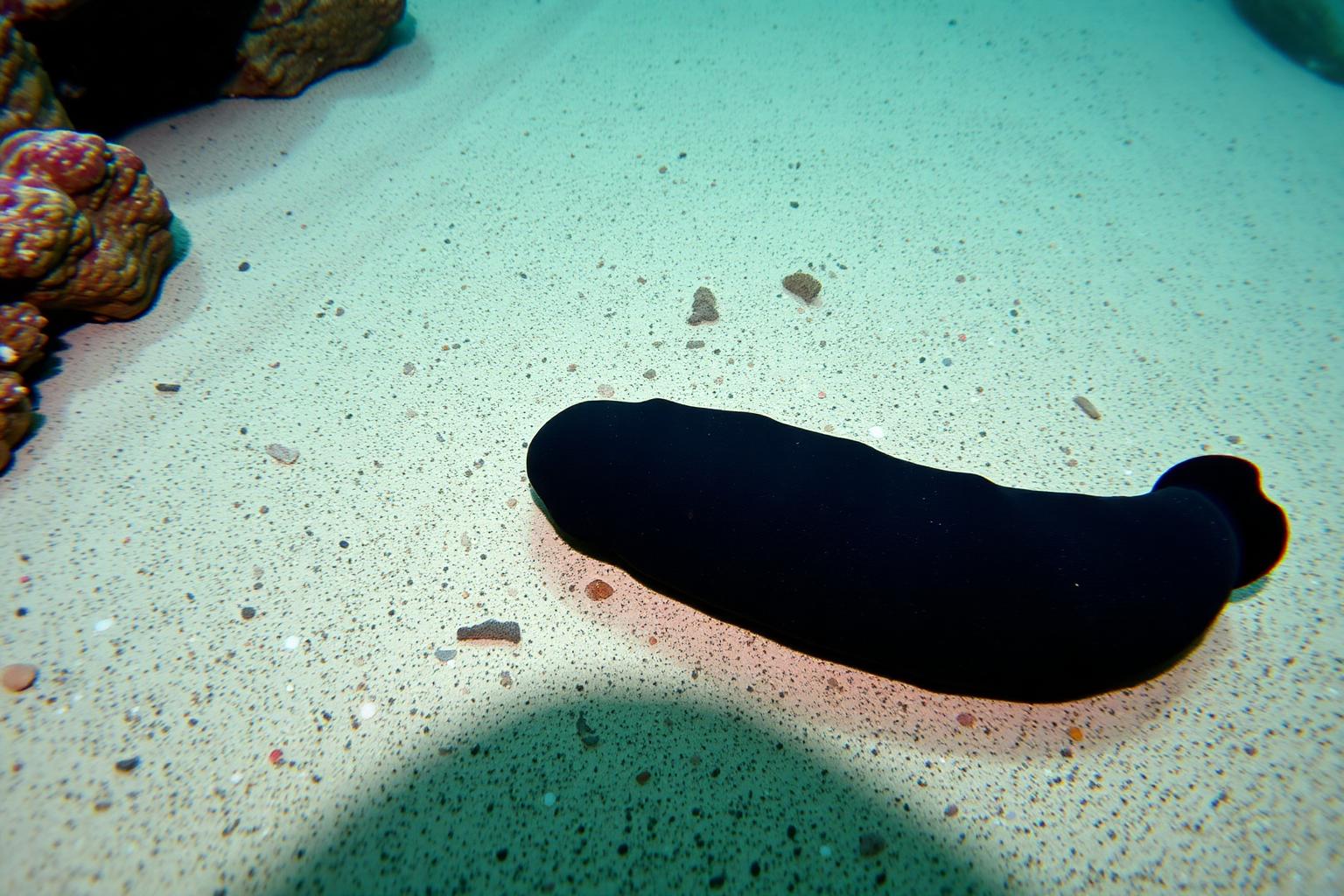
Hawaiian Sea Cucumber.
Sand-eating janitors of the reef. These soft-bodied echinoderms can defend themselves by ejecting their own internal organs.
Sea cucumbers, called loli in Hawaiian, are soft-bodied relatives of sea stars and urchins. Several species are common on Hawaiian reefs, where they slowly crawl across the bottom swallowing sand, digesting any organic matter, and excreting clean grains behind them.
A single sea cucumber can process tens of pounds of sediment a year. Together they form one of the reef's most important cleanup crews, recycling waste and oxygenating the seabed with their constant burrowing.
When threatened, many species perform one of nature's strangest defenses: they shoot sticky, toxic threads (or even their entire digestive tract) out their rear end. The predator is left with a mouthful of sticky filaments while the sea cucumber crawls away. Lost organs regrow within weeks.
Several species are heavily harvested elsewhere in the Pacific for the dried-seafood trade, but Hawaiian populations are fully protected — it is illegal to take any sea cucumber from State waters without a special permit.
More species in this group.
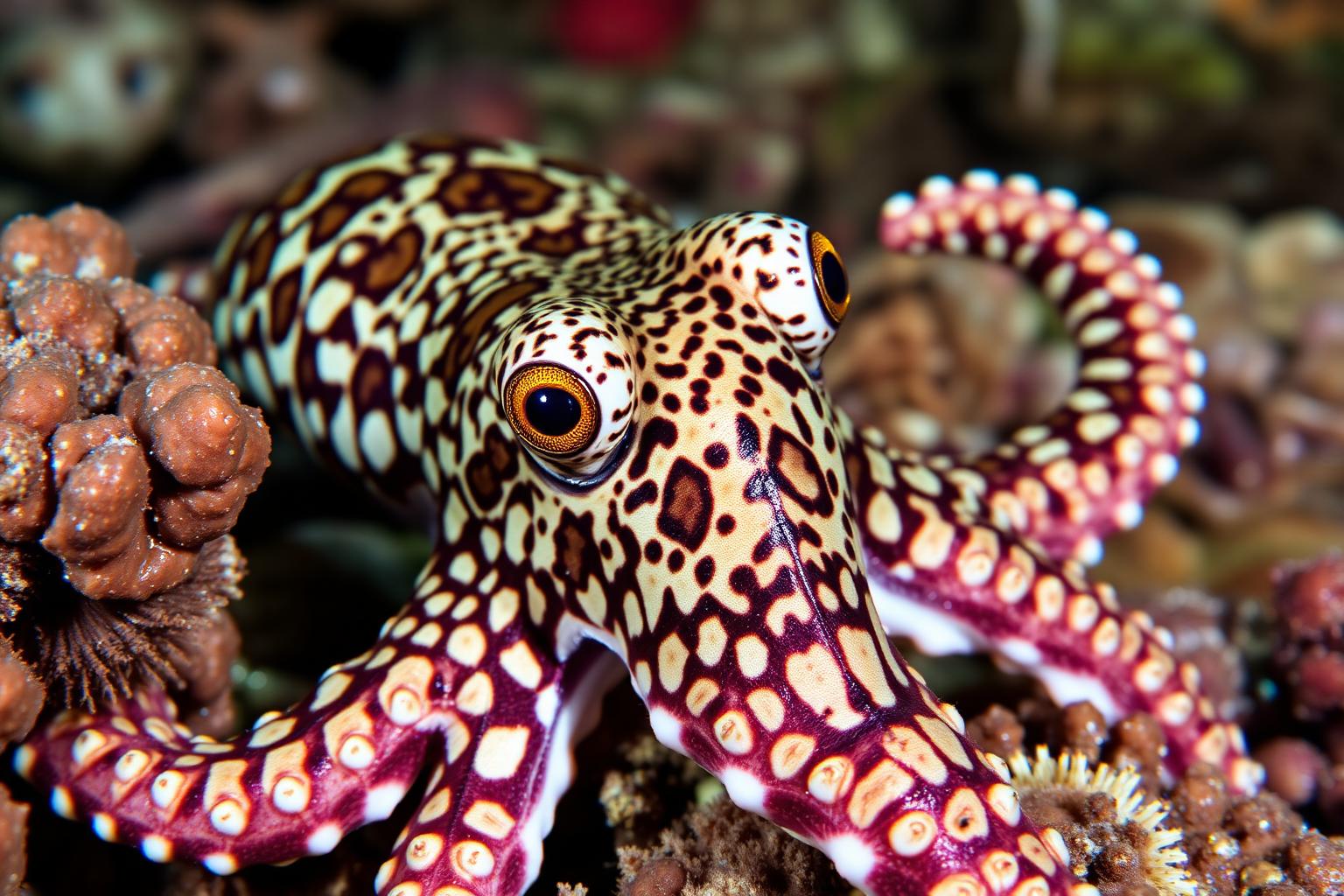
Day Octopus
A daytime hunter and master shapeshifter, Hawaiʻi's most commonly seen octopus can change color and texture in under a second.
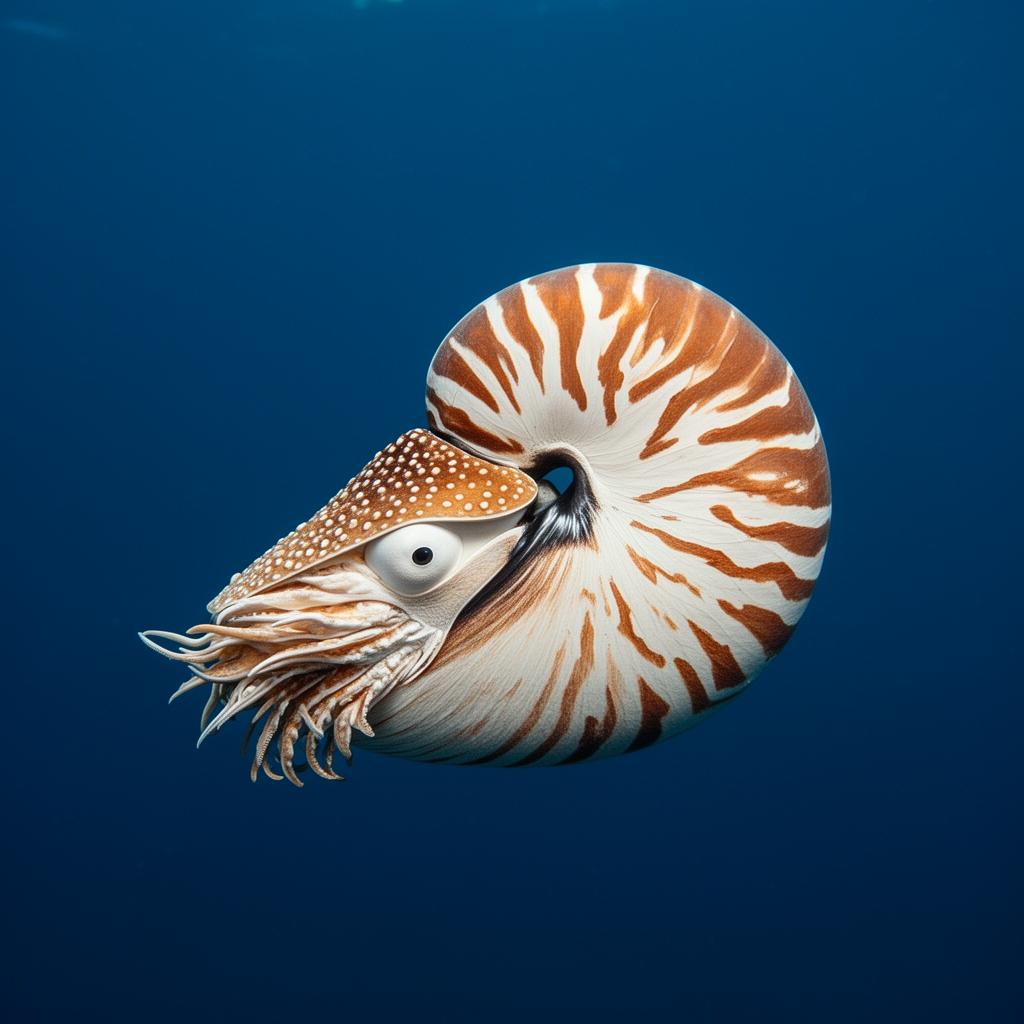
Chambered Nautilus
A living fossil whose ancestors swam alongside dinosaurs, the nautilus drifts through deep reefs in a perfect spiral shell.
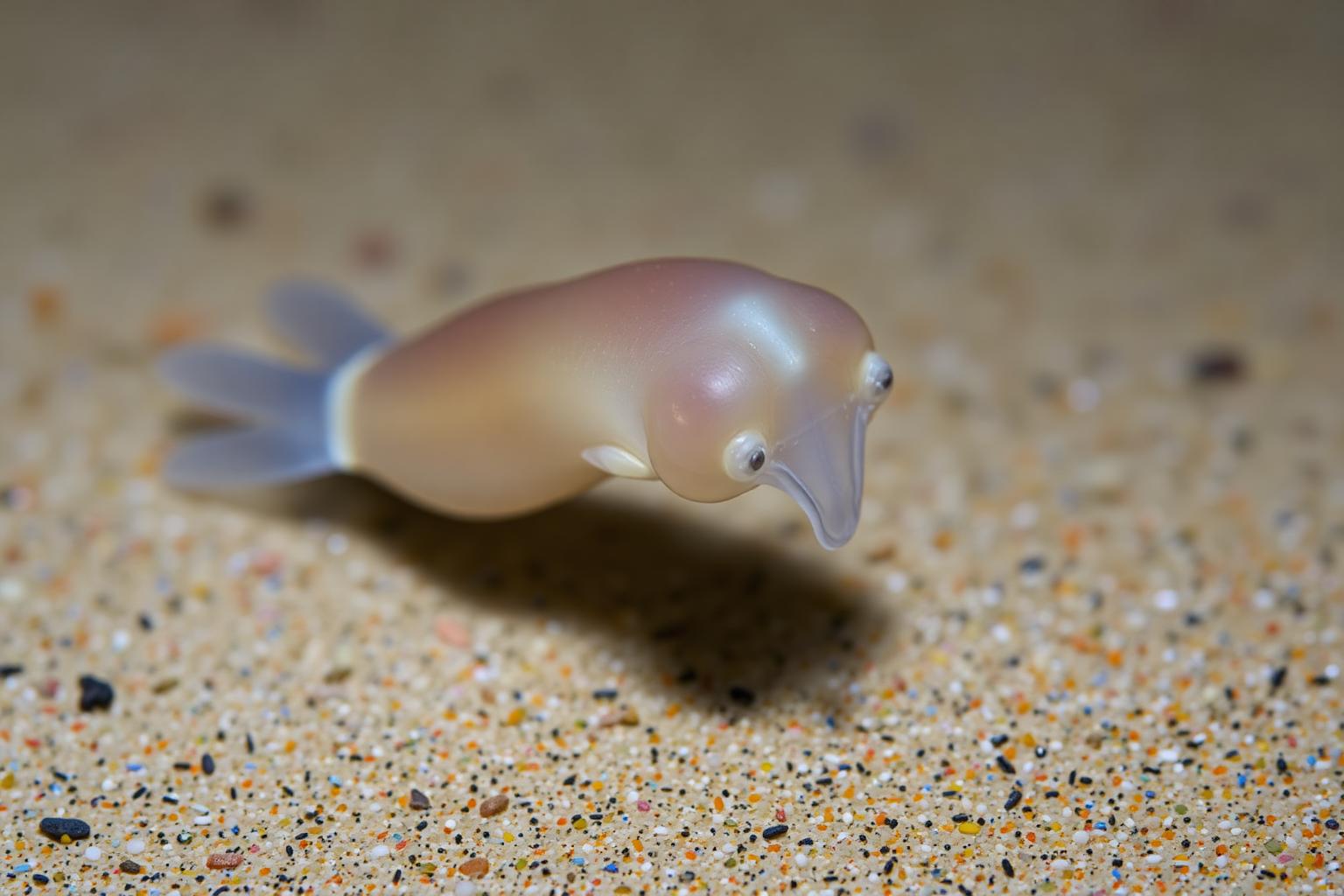
Hawaiian Bobtail Squid
A thumb-sized squid that hides in plain sight using bioluminescent bacteria to erase its own shadow under the moon.
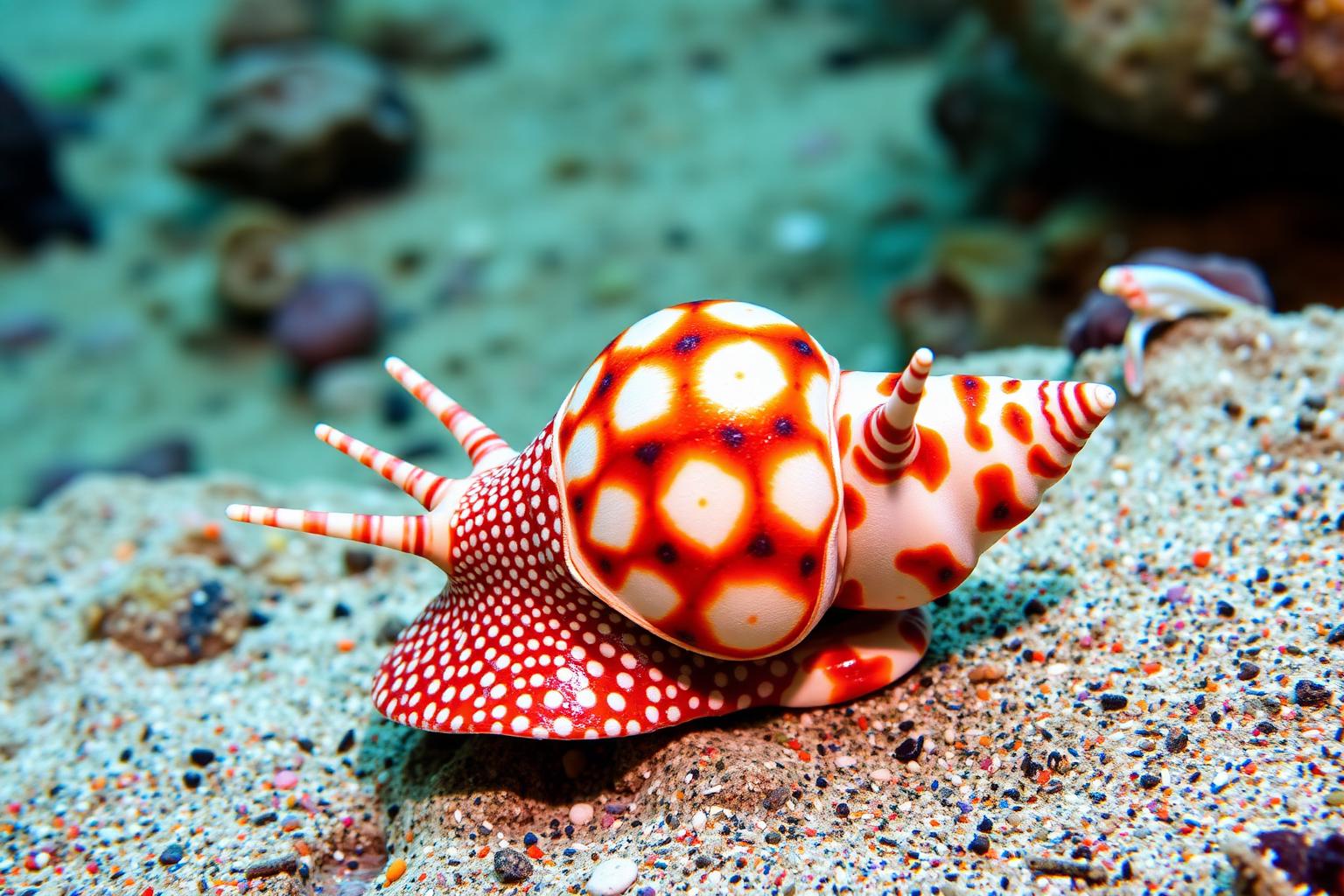
Textile Cone Snail
A beautiful but dangerous predator that fires a venomous harpoon to paralyze fish — and whose toxins inspire modern medicine.