
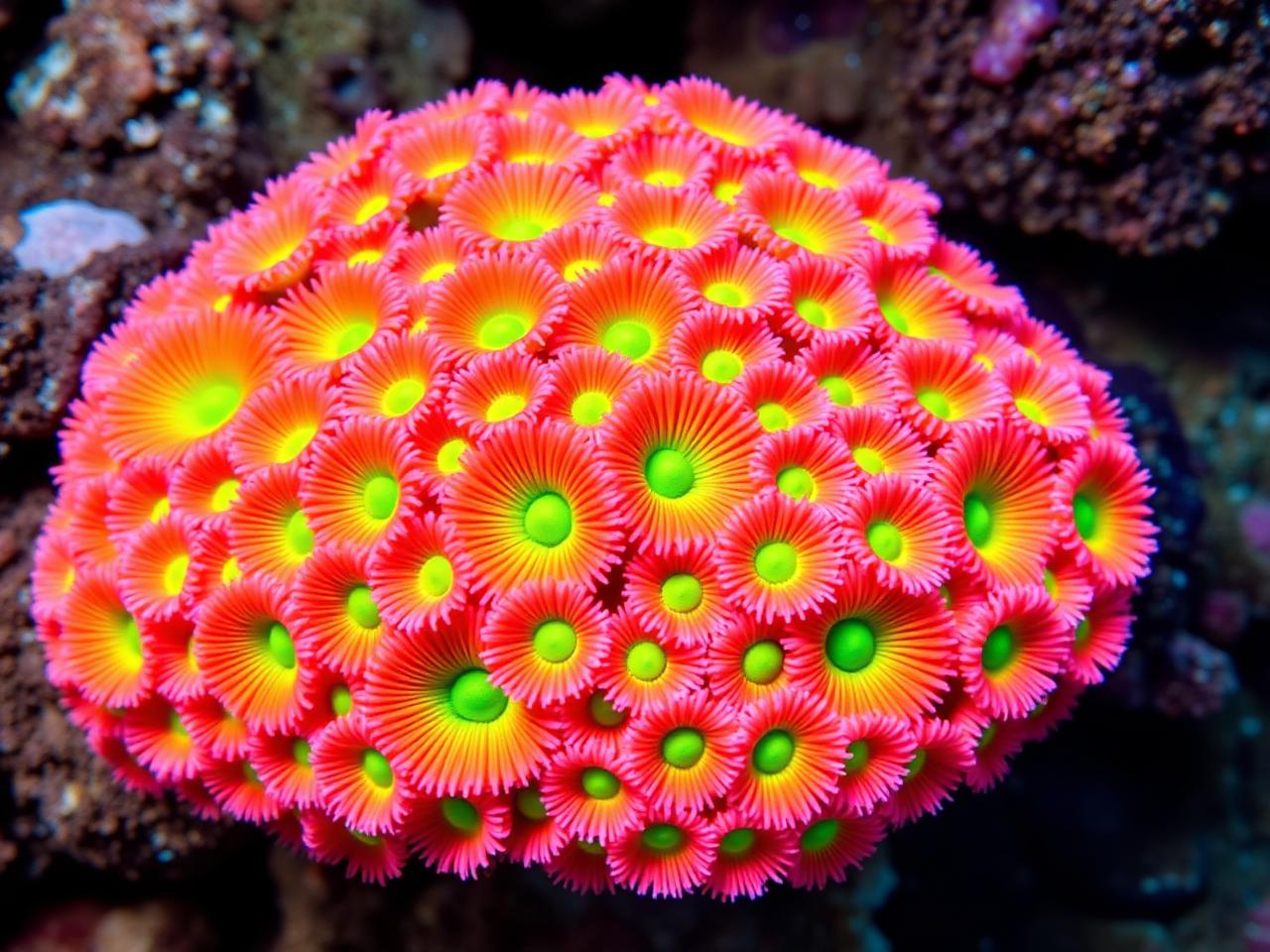
Zoanthids Zoanthids.
Brilliantly colored colonial polyps that carpet tidepools and lower reef walls — and contain one of the deadliest natural toxins ever discovered.
Zoanthids are colonial cnidarians related to corals and anemones, but instead of building a hard skeleton they form a soft, mat-like crust over rocks. In Hawaiʻi they cover wave-pounded tidepool walls and shaded reef ledges in vivid greens, pinks, and oranges. Each disc-shaped polyp is a separate animal sharing tissue with its neighbors.
Some Hawaiian zoanthids of the genus Palythoa contain palytoxin — one of the most poisonous non-protein substances known to science. Native Hawaiians historically used the toxin to coat spear points, and modern researchers study it as a tool for understanding how cells regulate sodium and potassium.
Despite the toxin, zoanthids are popular reef-aquarium animals worldwide because they grow quickly, glow under blue light, and come in nearly every color imaginable. The colorful pigments are fluorescent proteins that may help shield the polyps and their algae from intense sunlight.
More species in this group.
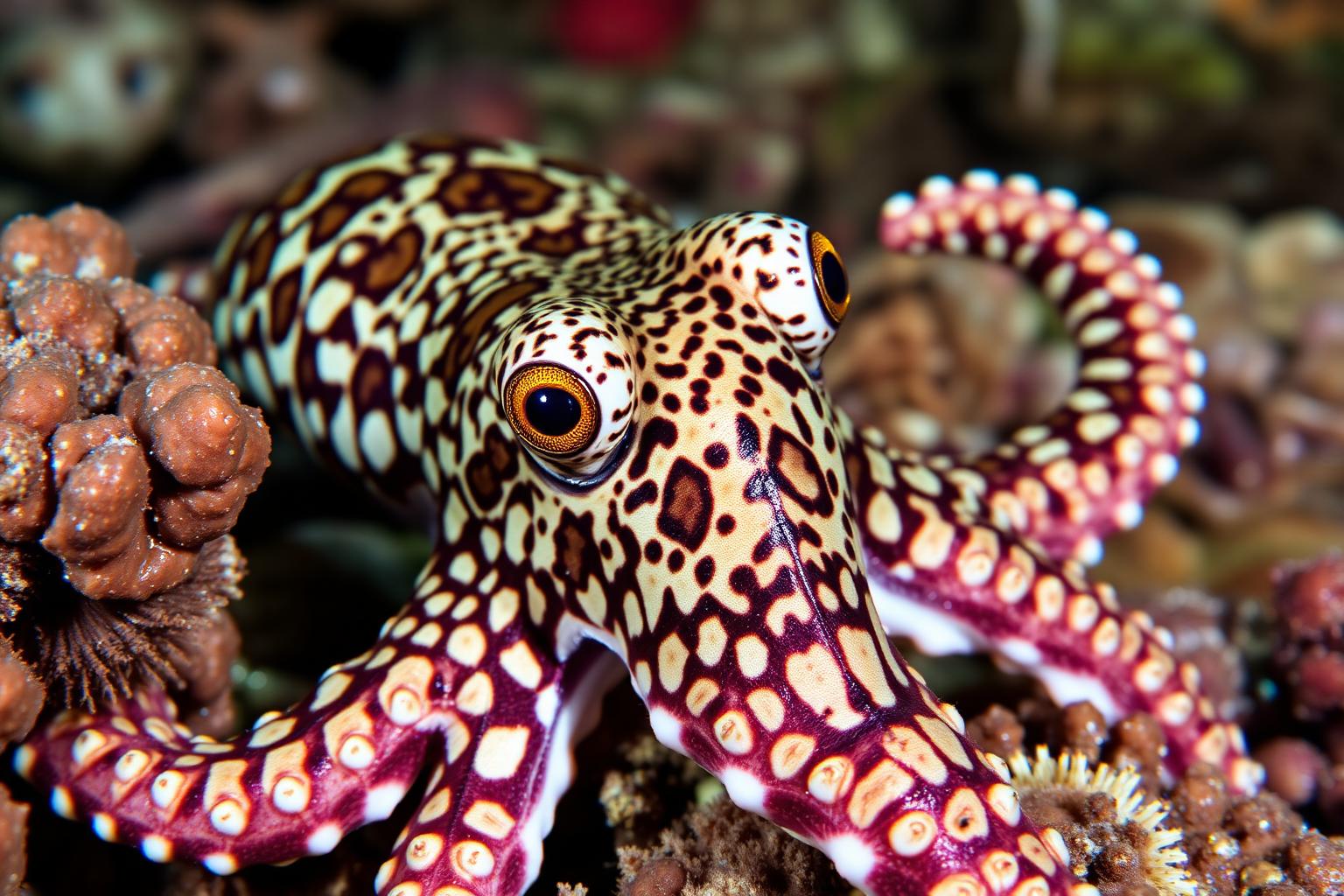
Day Octopus
A daytime hunter and master shapeshifter, Hawaiʻi's most commonly seen octopus can change color and texture in under a second.
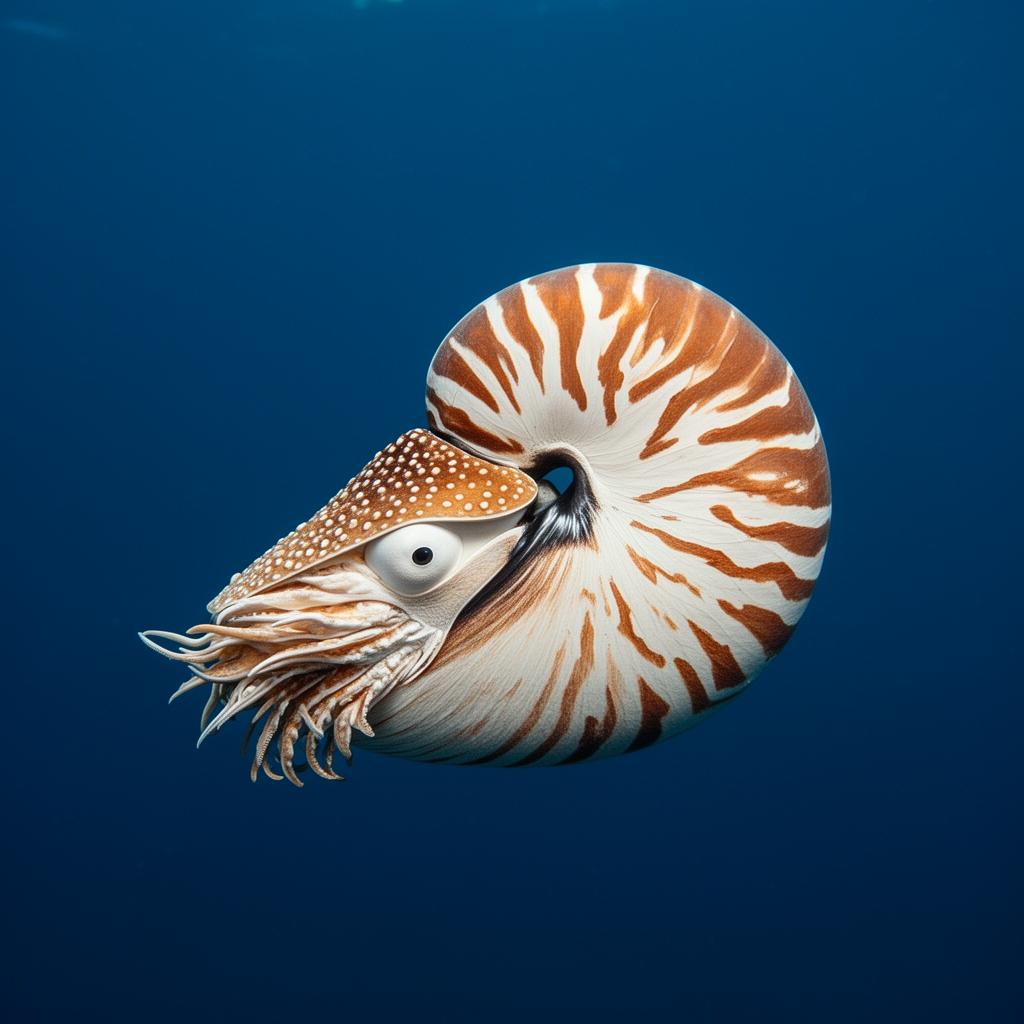
Chambered Nautilus
A living fossil whose ancestors swam alongside dinosaurs, the nautilus drifts through deep reefs in a perfect spiral shell.
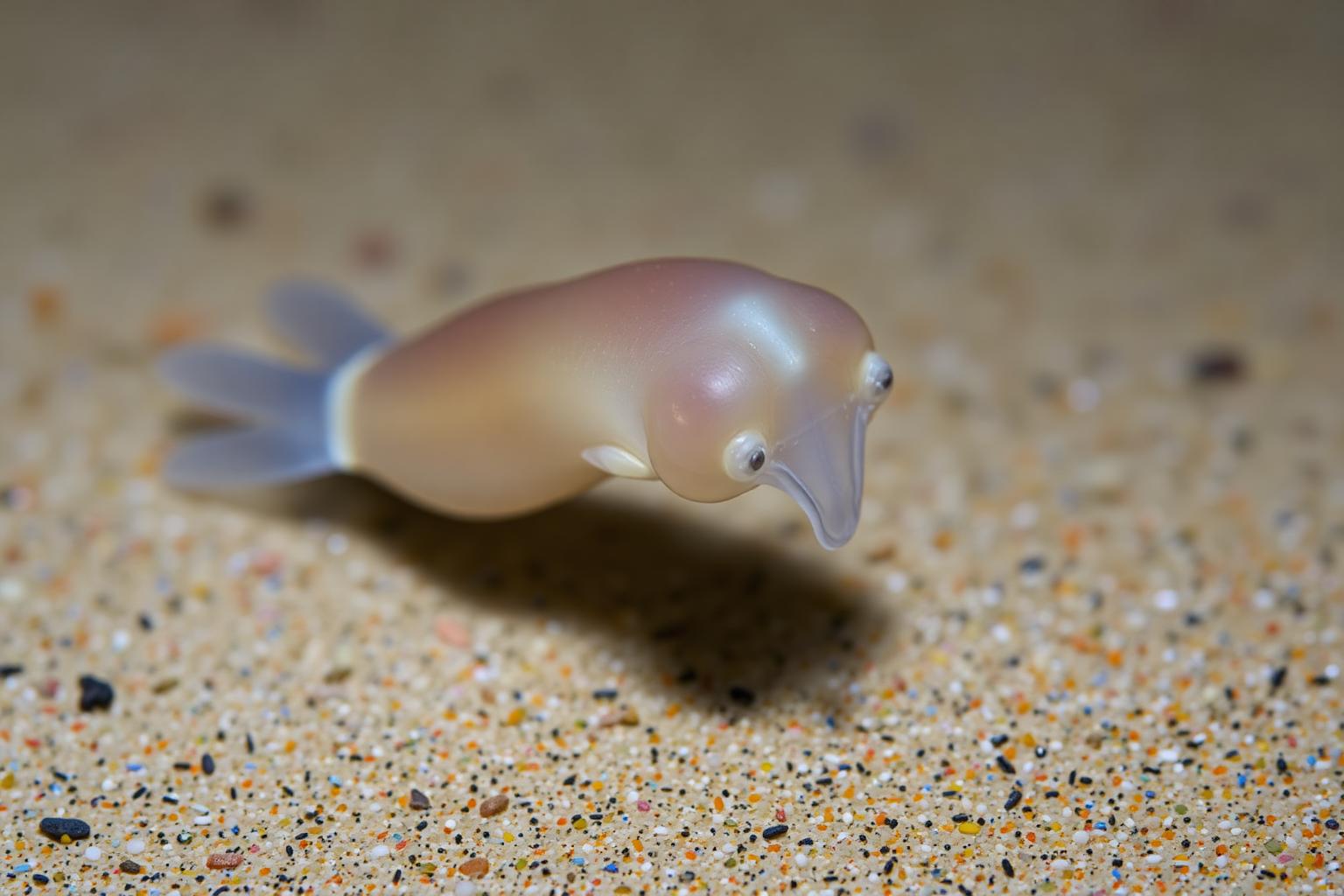
Hawaiian Bobtail Squid
A thumb-sized squid that hides in plain sight using bioluminescent bacteria to erase its own shadow under the moon.
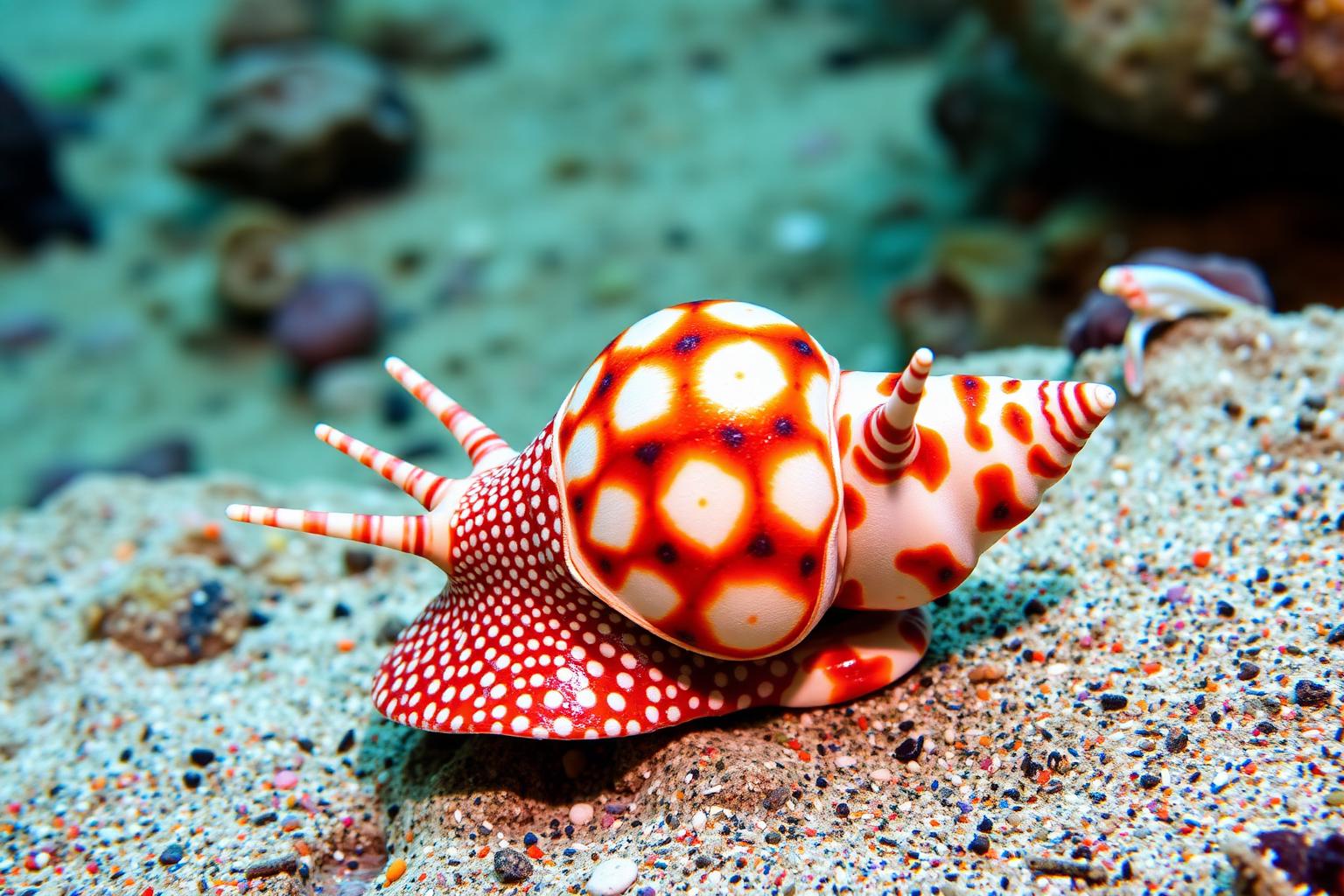
Textile Cone Snail
A beautiful but dangerous predator that fires a venomous harpoon to paralyze fish — and whose toxins inspire modern medicine.