
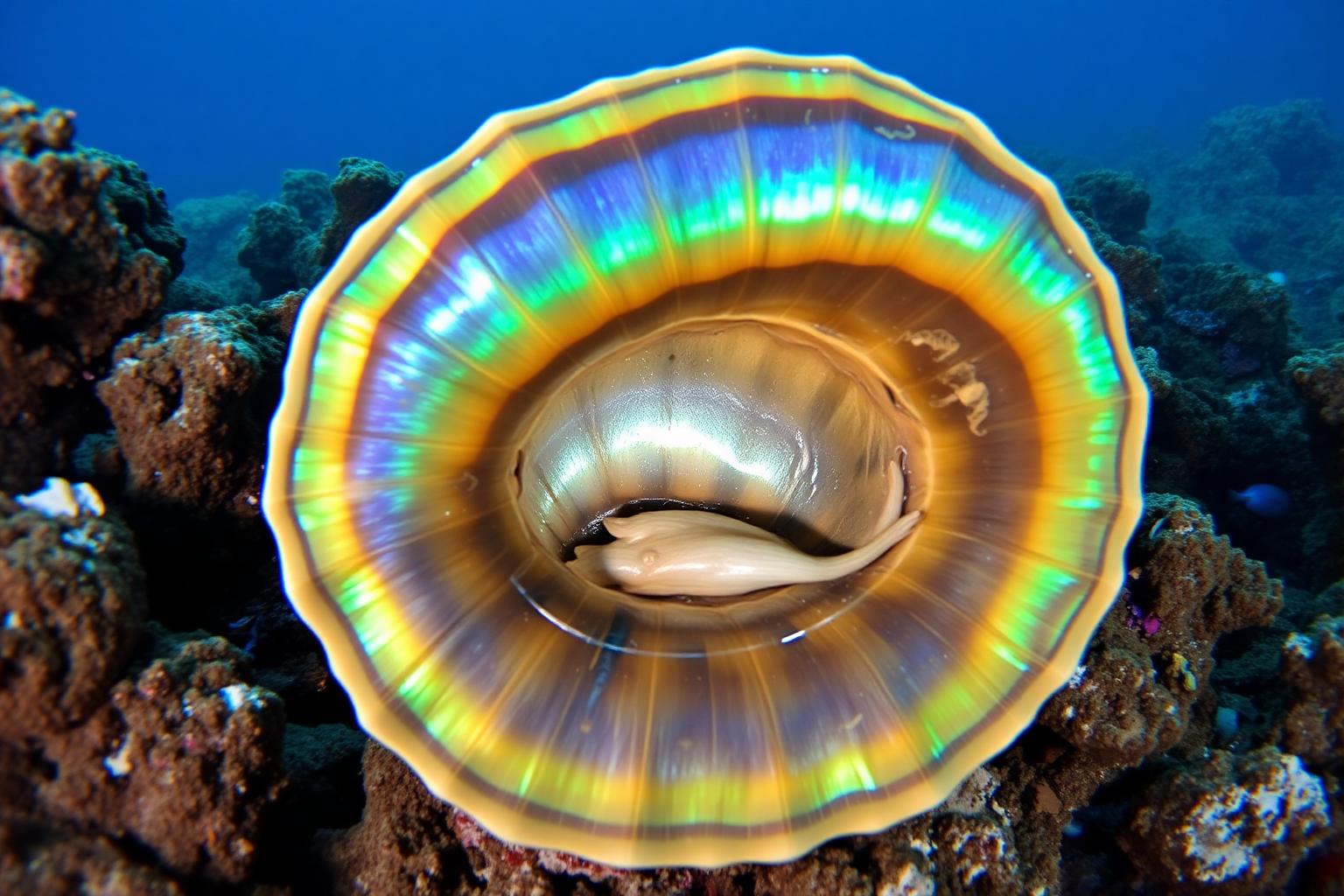
Giant Clam.
Living solar panels of the reef, giant clams grow up to four feet across by farming algae inside their colorful mantles.
Giant clams are the largest bivalves on Earth. The biggest species, Tridacna gigas, can reach over four feet across and weigh more than 500 pounds. They are not native to Hawaiʻi but are kept and bred at the Waikīkī Aquarium as part of long-running reef research.
Their famous iridescent mantles are not just decoration. They are home to billions of microscopic algae called zooxanthellae, the same partners that live inside reef-building corals. The algae photosynthesize and pass sugars to the clam, while the clam provides shelter and nutrients in return.
Pigment cells in the mantle act as tiny lenses, focusing sunlight onto the algae layers below. The blues, greens and golds you see come from these specialized cells, and no two clams have the same pattern.
Giant clams are slow-growing and long-lived, with some individuals exceeding 100 years. Many wild populations have collapsed from overharvesting, and several species are now listed as vulnerable. The Waikīkī Aquarium was one of the first institutions in the world to successfully breed giant clams in captivity, beginning in the 1980s.
More species in this group.
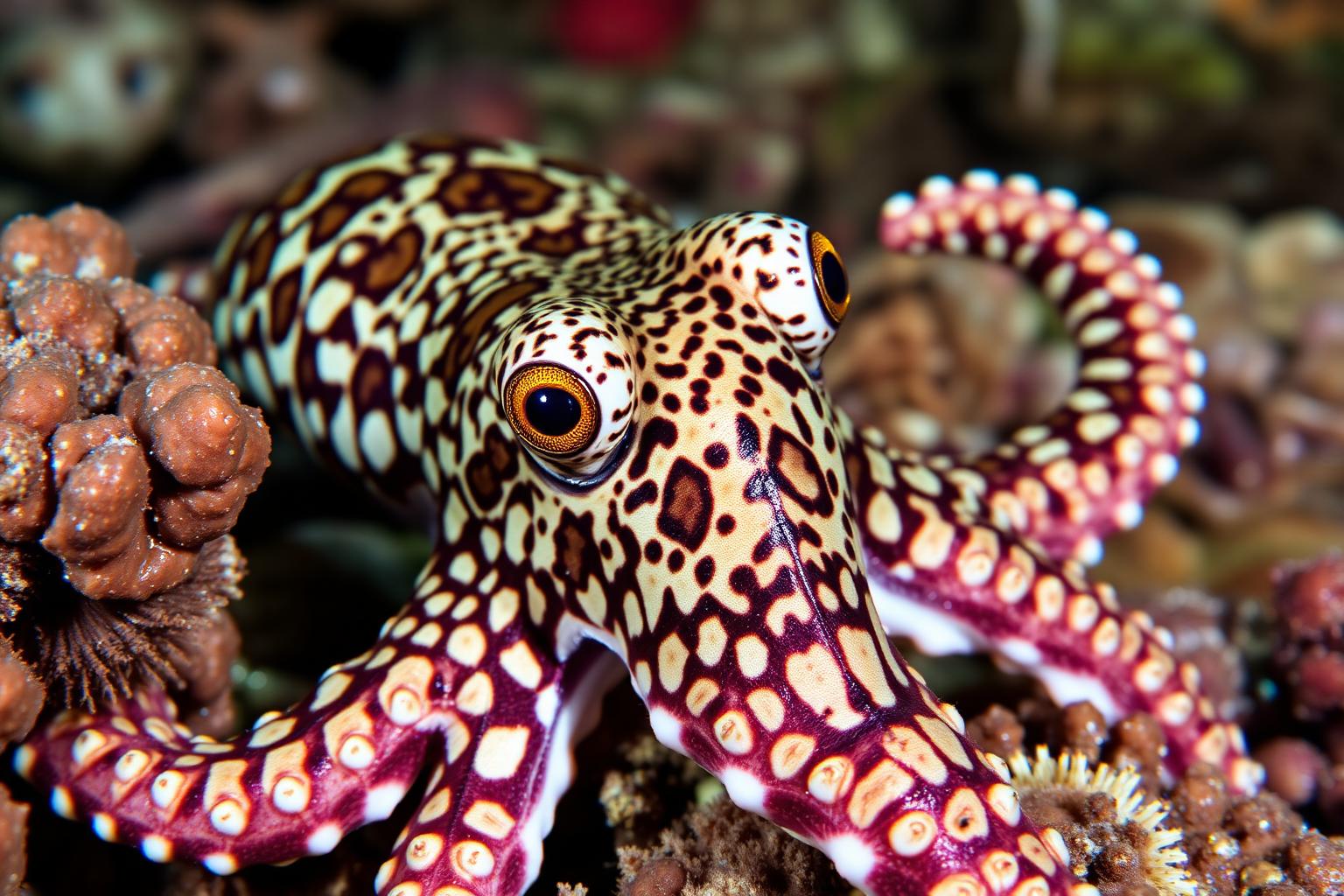
Day Octopus
A daytime hunter and master shapeshifter, Hawaiʻi's most commonly seen octopus can change color and texture in under a second.
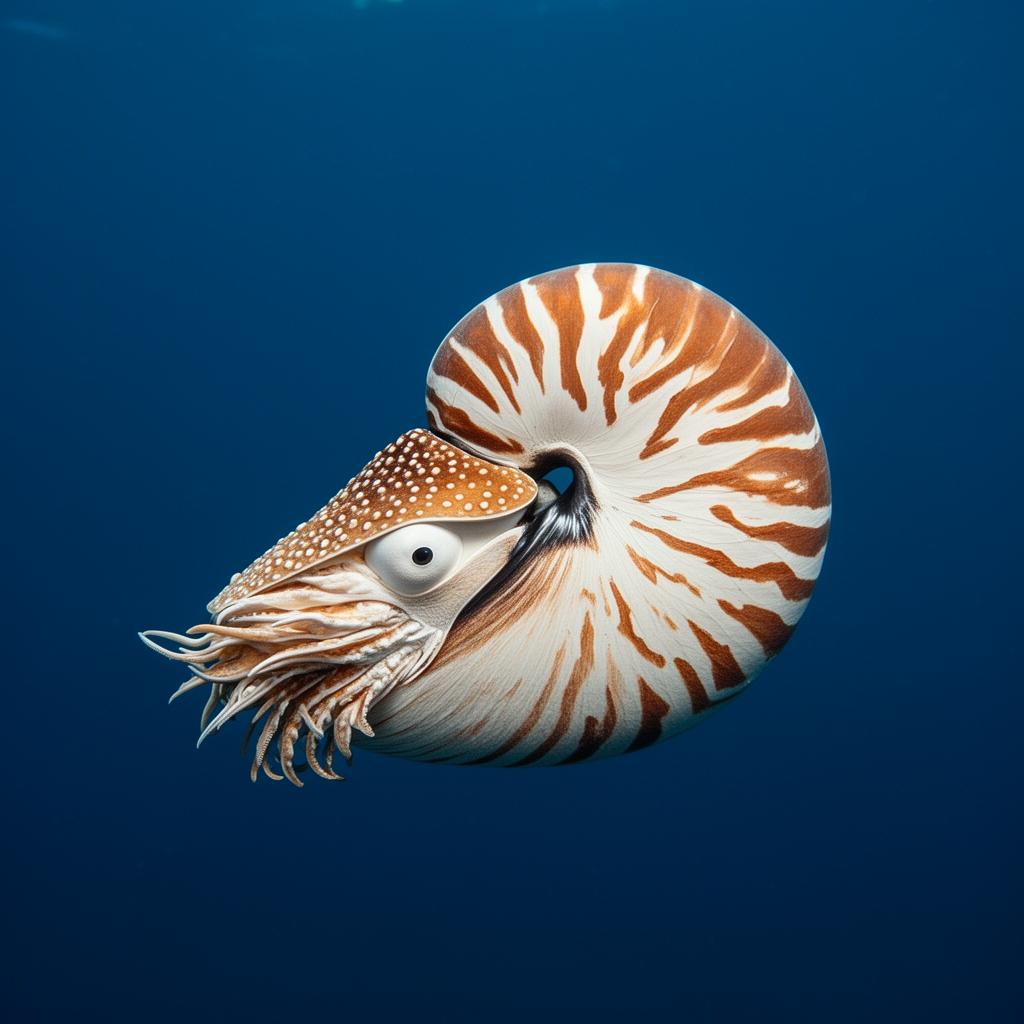
Chambered Nautilus
A living fossil whose ancestors swam alongside dinosaurs, the nautilus drifts through deep reefs in a perfect spiral shell.
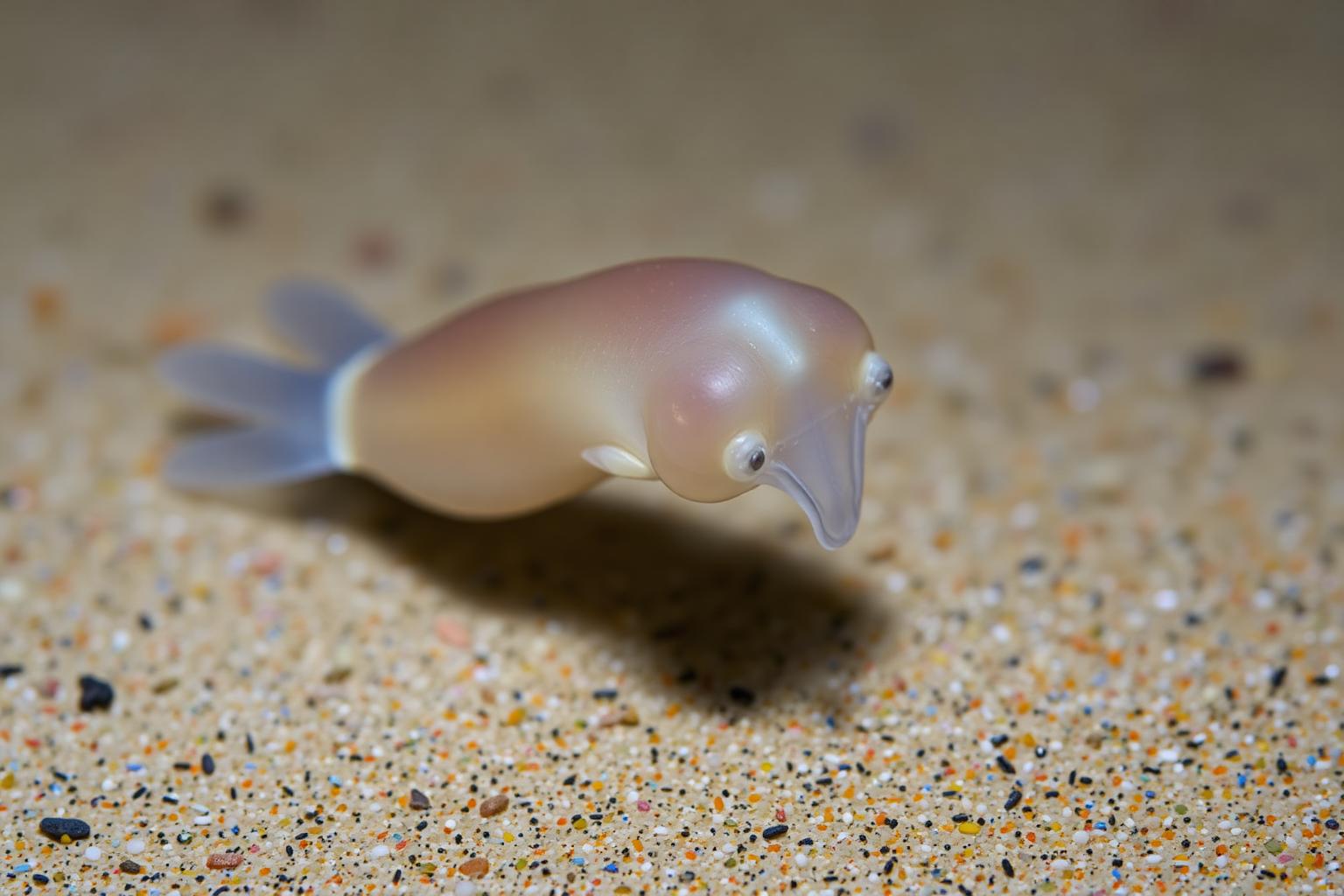
Hawaiian Bobtail Squid
A thumb-sized squid that hides in plain sight using bioluminescent bacteria to erase its own shadow under the moon.
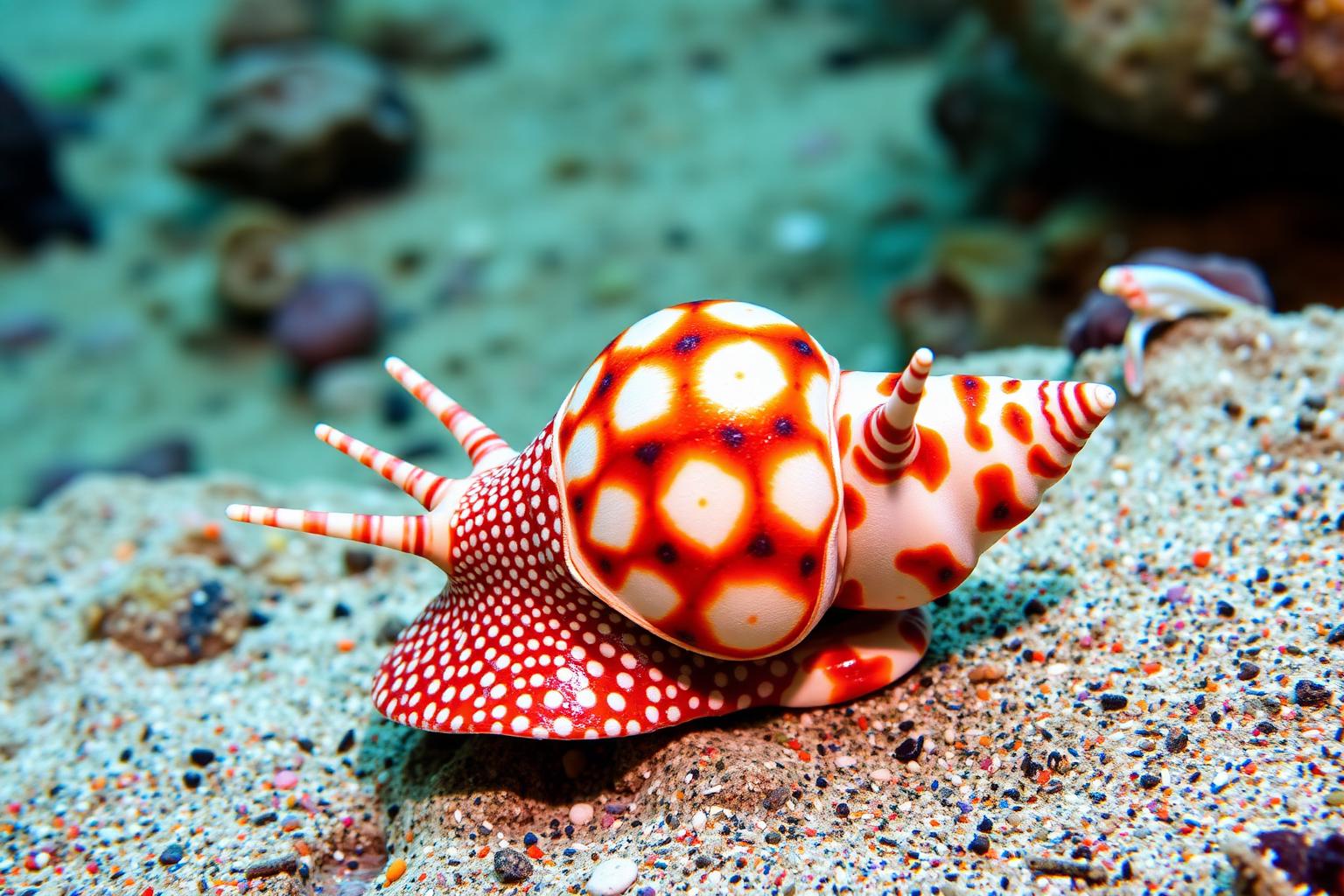
Textile Cone Snail
A beautiful but dangerous predator that fires a venomous harpoon to paralyze fish — and whose toxins inspire modern medicine.