
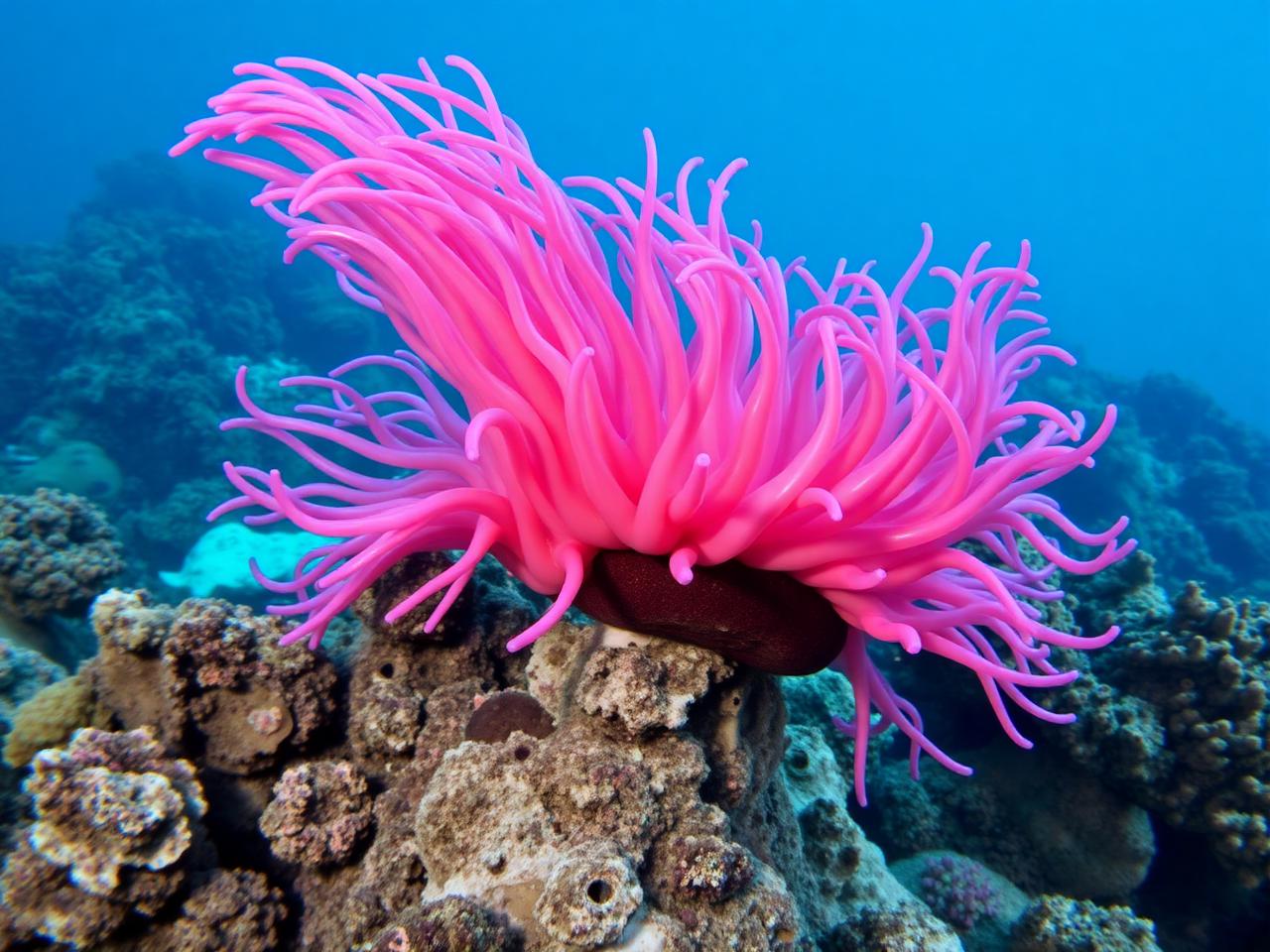
Sea Anemone.
Stinging flowers of the reef. Solitary cousins of corals — gentle to look at, deadly for plankton and small fish.
Sea anemones look like flowers but are predatory animals. Each one is essentially a single, oversized coral polyp without a hard skeleton — a soft column anchored to the rock, topped with a ring of tentacles surrounding a central mouth. Every tentacle is loaded with stinging cells called nematocysts, microscopic harpoons that fire on contact and inject venom into prey.
Most reef anemones eat plankton, small shrimp, and the occasional fish that brushes their tentacles. Some giant species in the Indo-Pacific are large enough to host entire communities of clownfish, anemonefish, porcelain crabs, and shrimp that have evolved a chemical immunity to the sting.
Anemones can live for centuries. There is no known maximum lifespan — barring predators or pollution, an anemone simply keeps growing, splitting, or budding off clones of itself, indefinitely.
More species in this group.
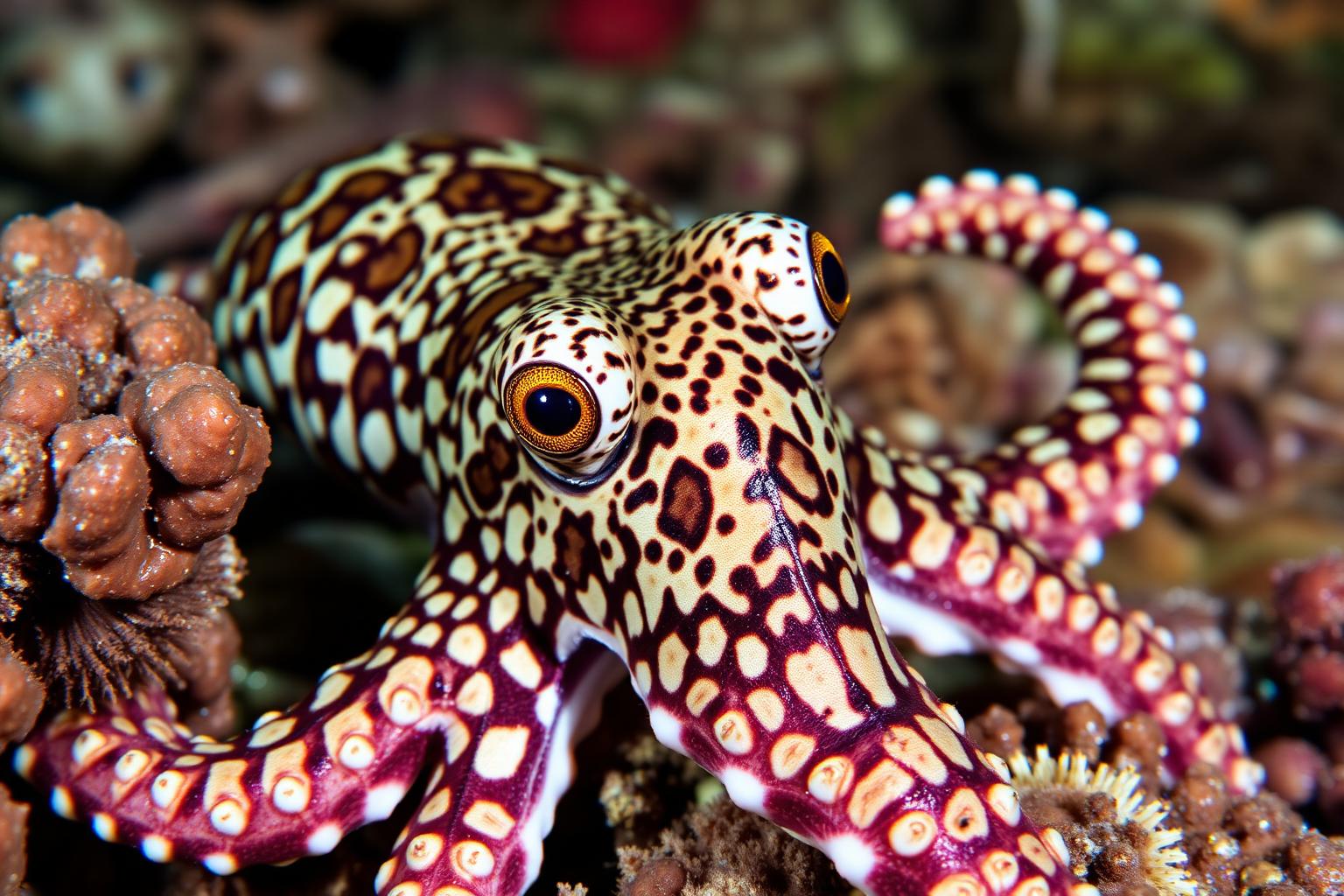
Day Octopus
A daytime hunter and master shapeshifter, Hawaiʻi's most commonly seen octopus can change color and texture in under a second.
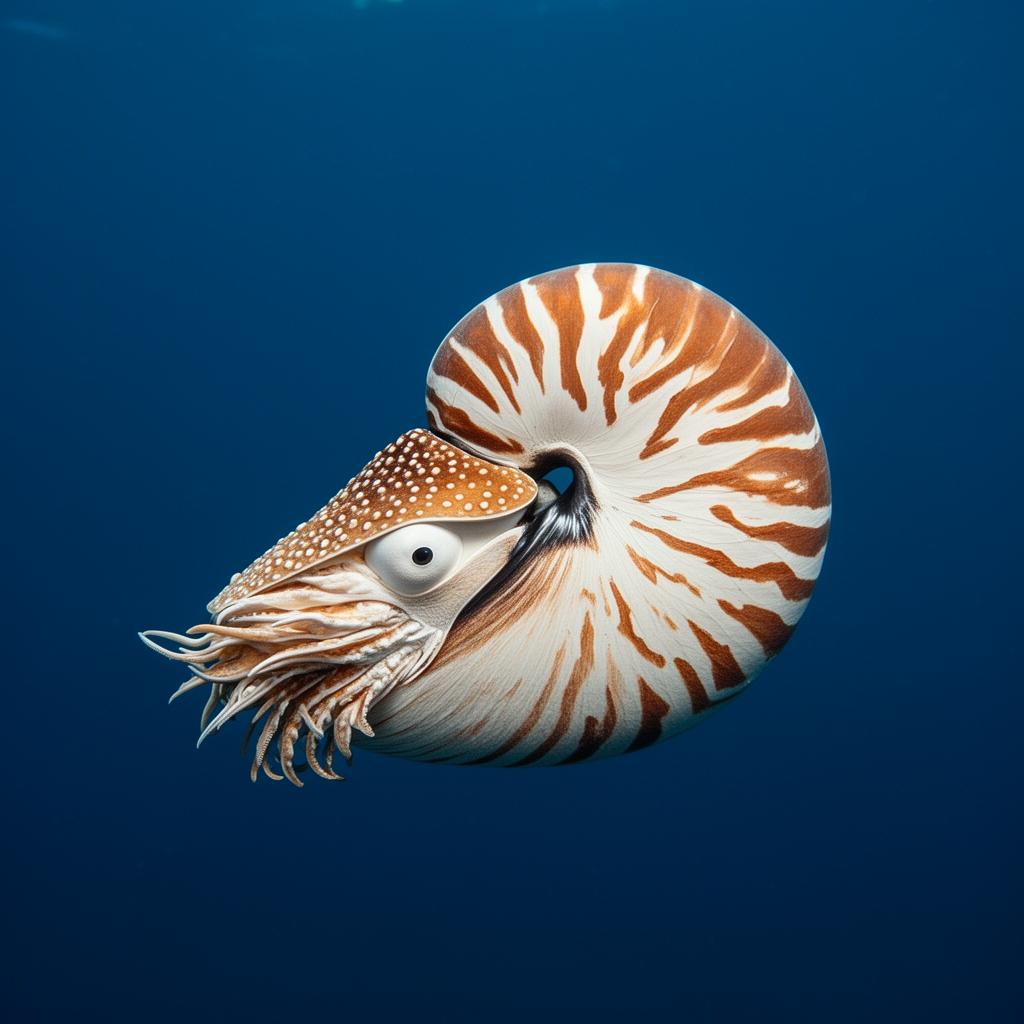
Chambered Nautilus
A living fossil whose ancestors swam alongside dinosaurs, the nautilus drifts through deep reefs in a perfect spiral shell.
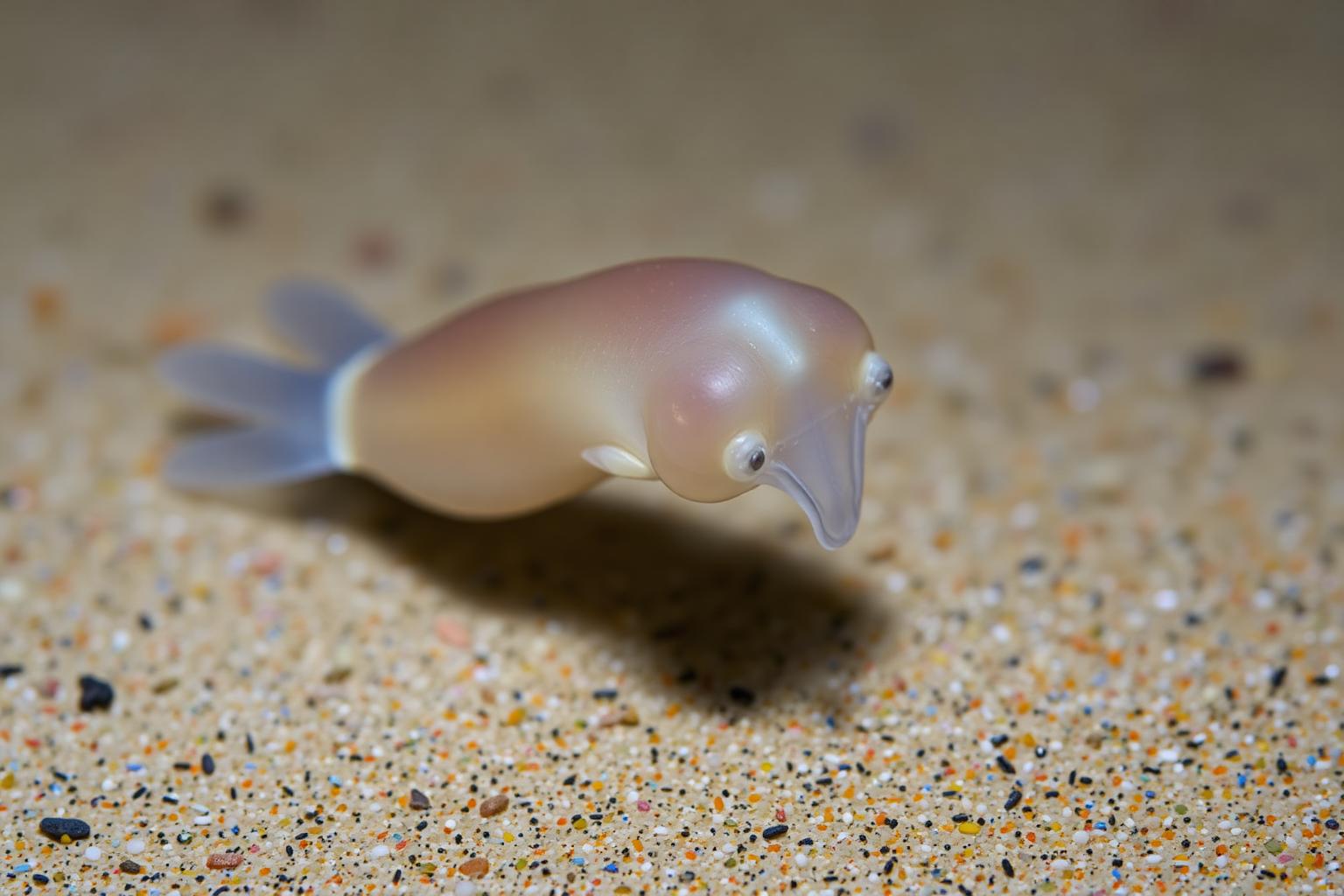
Hawaiian Bobtail Squid
A thumb-sized squid that hides in plain sight using bioluminescent bacteria to erase its own shadow under the moon.
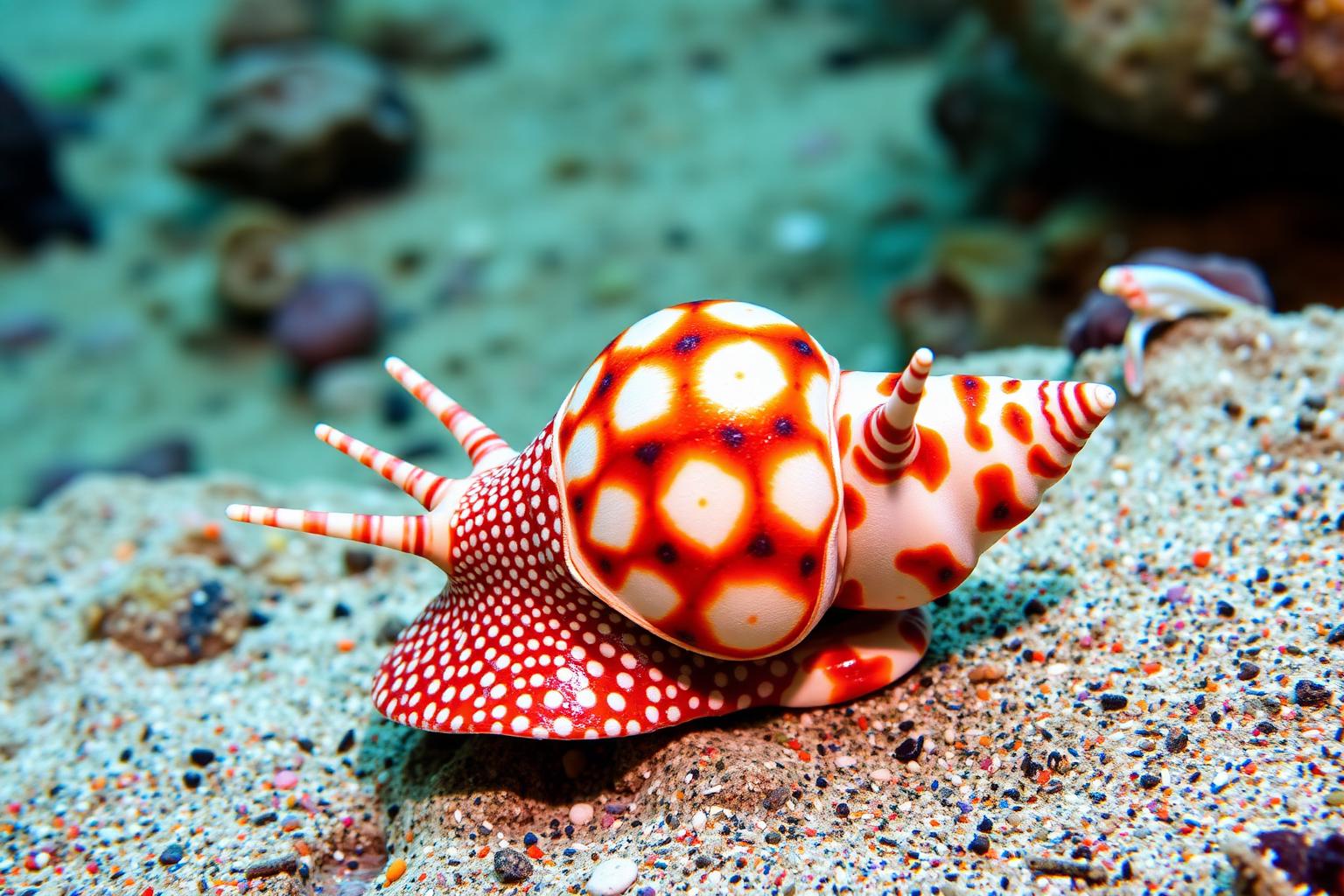
Textile Cone Snail
A beautiful but dangerous predator that fires a venomous harpoon to paralyze fish — and whose toxins inspire modern medicine.