
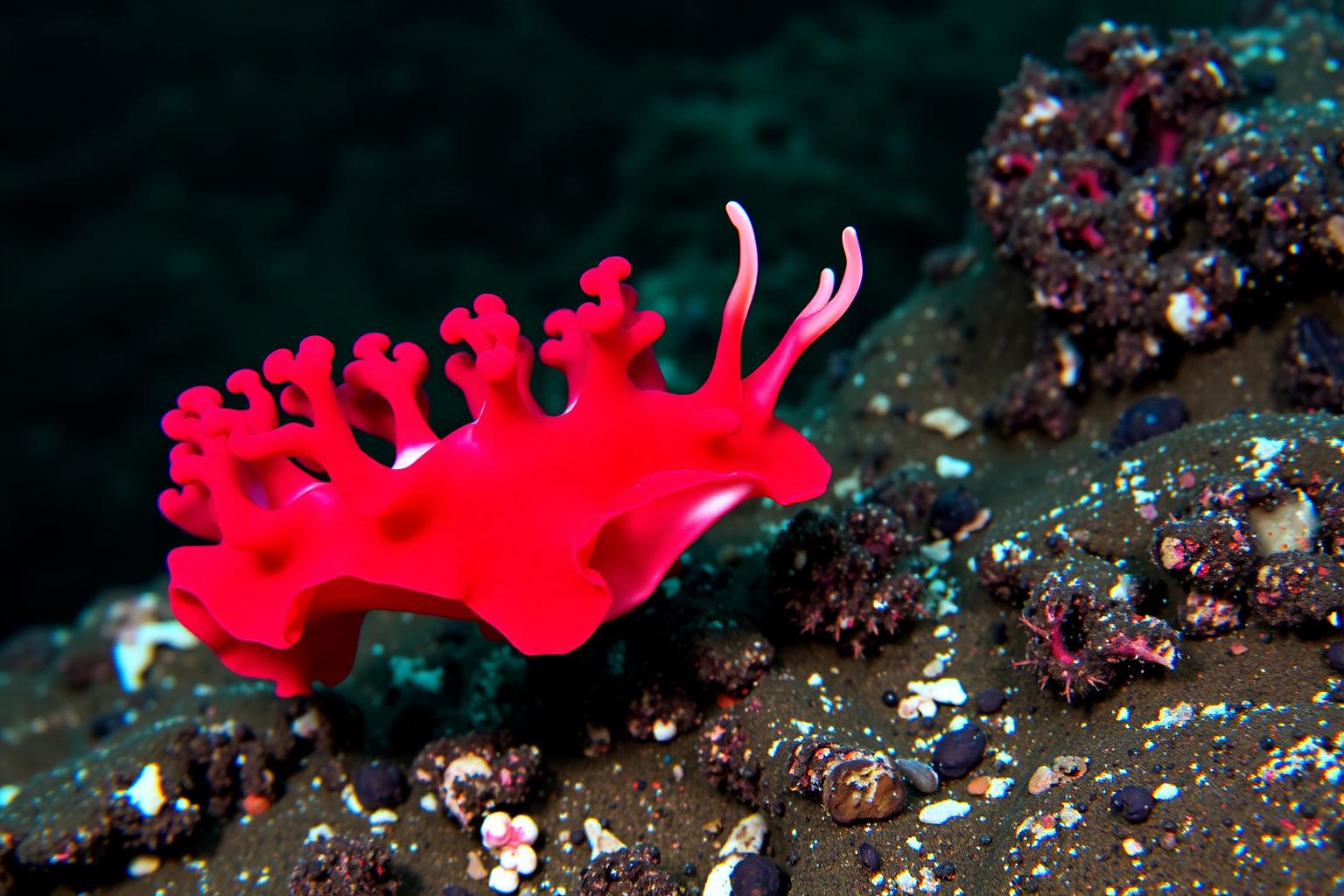
Spanish Dancer.
The largest nudibranch in the world, this brilliant red sea slug swims by undulating its body like a flamenco dancer's dress.
The Spanish dancer is the largest nudibranch (sea slug) in the world, reaching up to 60 cm in length. By day it crawls slowly across the reef, but if disturbed it can swim by spreading and undulating its bright red mantle, a motion that looks remarkably like a flamenco dancer's twirling skirt.
Its vivid red coloration is a warning. Spanish dancers feed on sponges that contain toxic compounds, and they sequester these toxins in their own tissues, making them unpalatable to predators. Even their eggs, laid in delicate spiraling ribbons, contain the same chemical defenses.
Like other nudibranchs, the Spanish dancer has lost its larval shell entirely. The exposed gills on its back, the six branched plumes that give the genus its name Hexabranchus (six gills), are highly sensitive and can be tucked away if threatened.
Spanish dancers are widespread across the Indo-Pacific and turn up on Hawaiian reefs at night, especially around full moons when their tiny shrimp partners emerge to feed alongside them.
More species in this group.
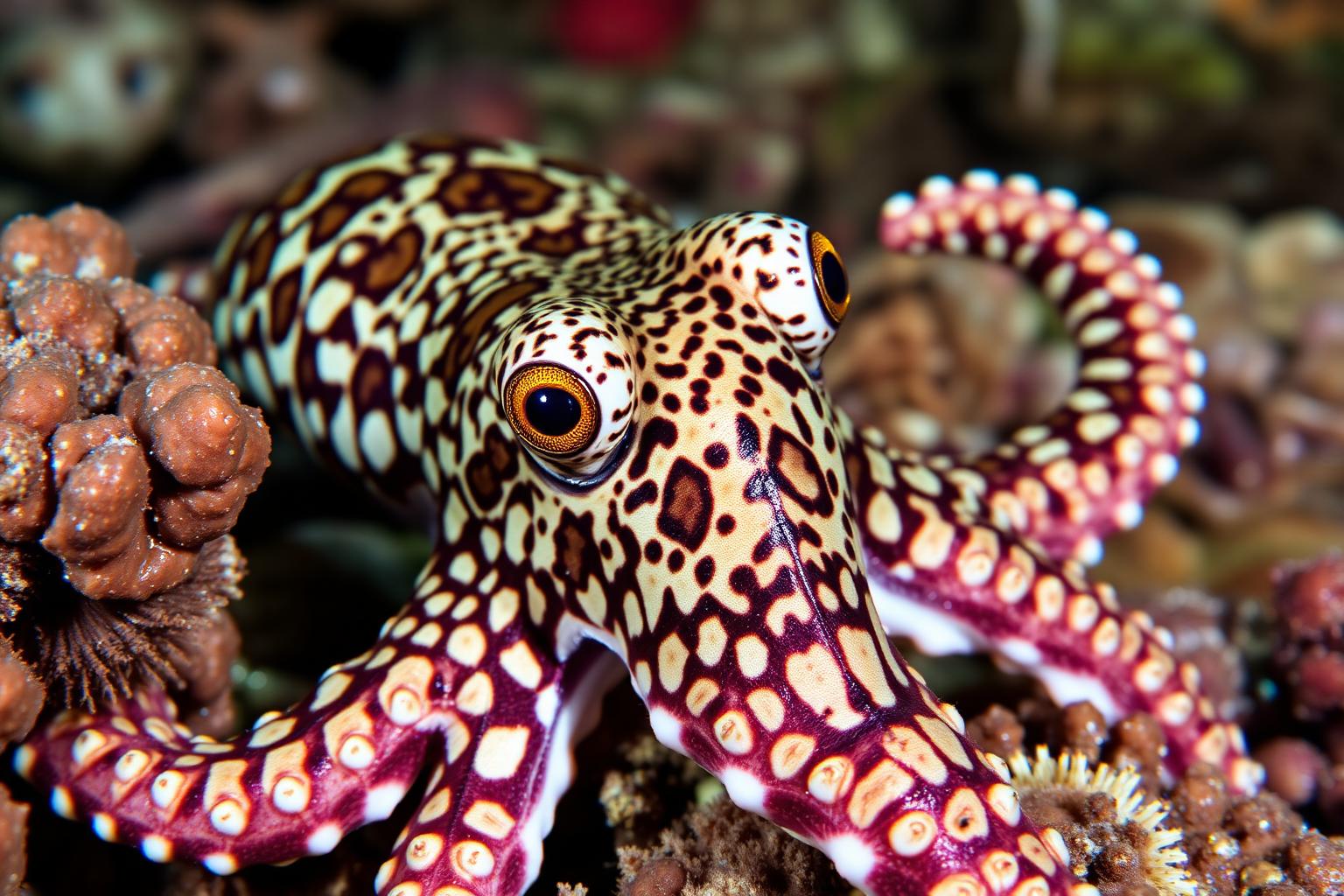
Day Octopus
A daytime hunter and master shapeshifter, Hawaiʻi's most commonly seen octopus can change color and texture in under a second.
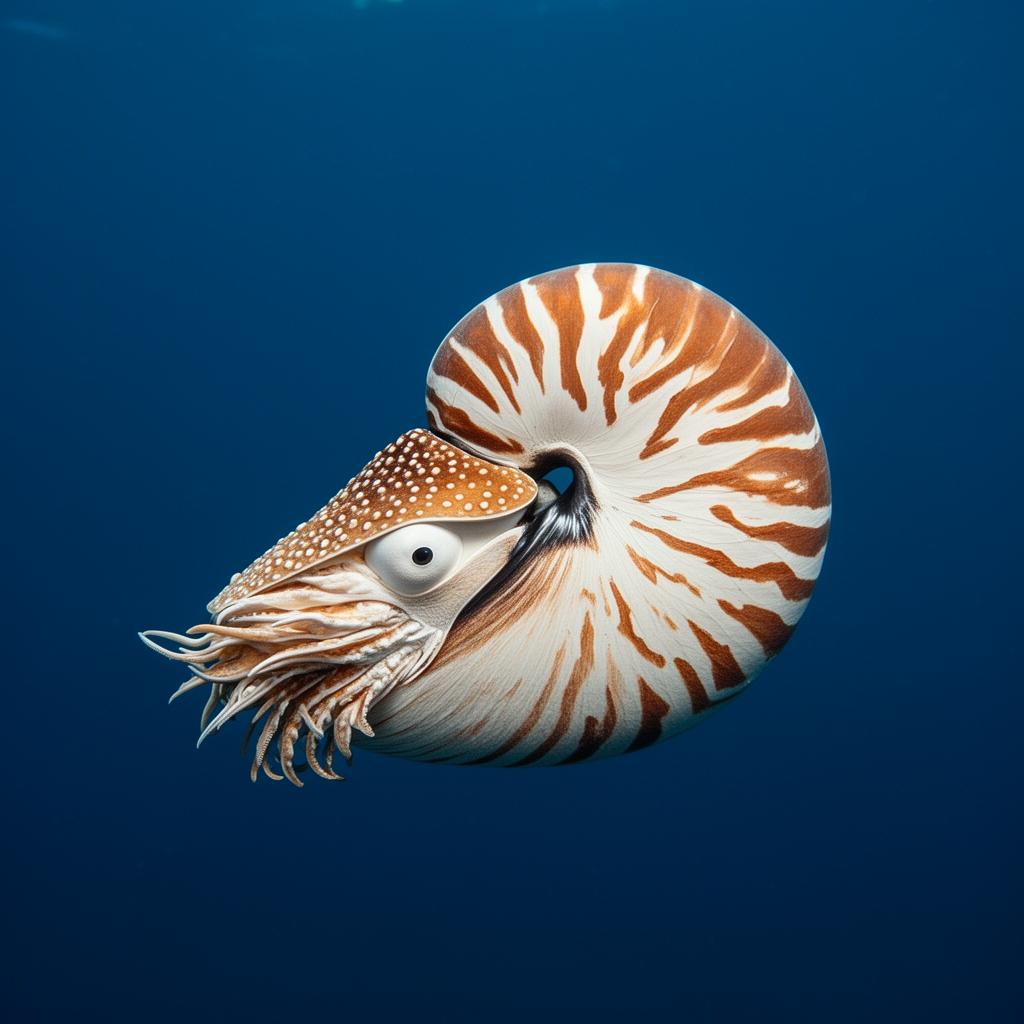
Chambered Nautilus
A living fossil whose ancestors swam alongside dinosaurs, the nautilus drifts through deep reefs in a perfect spiral shell.
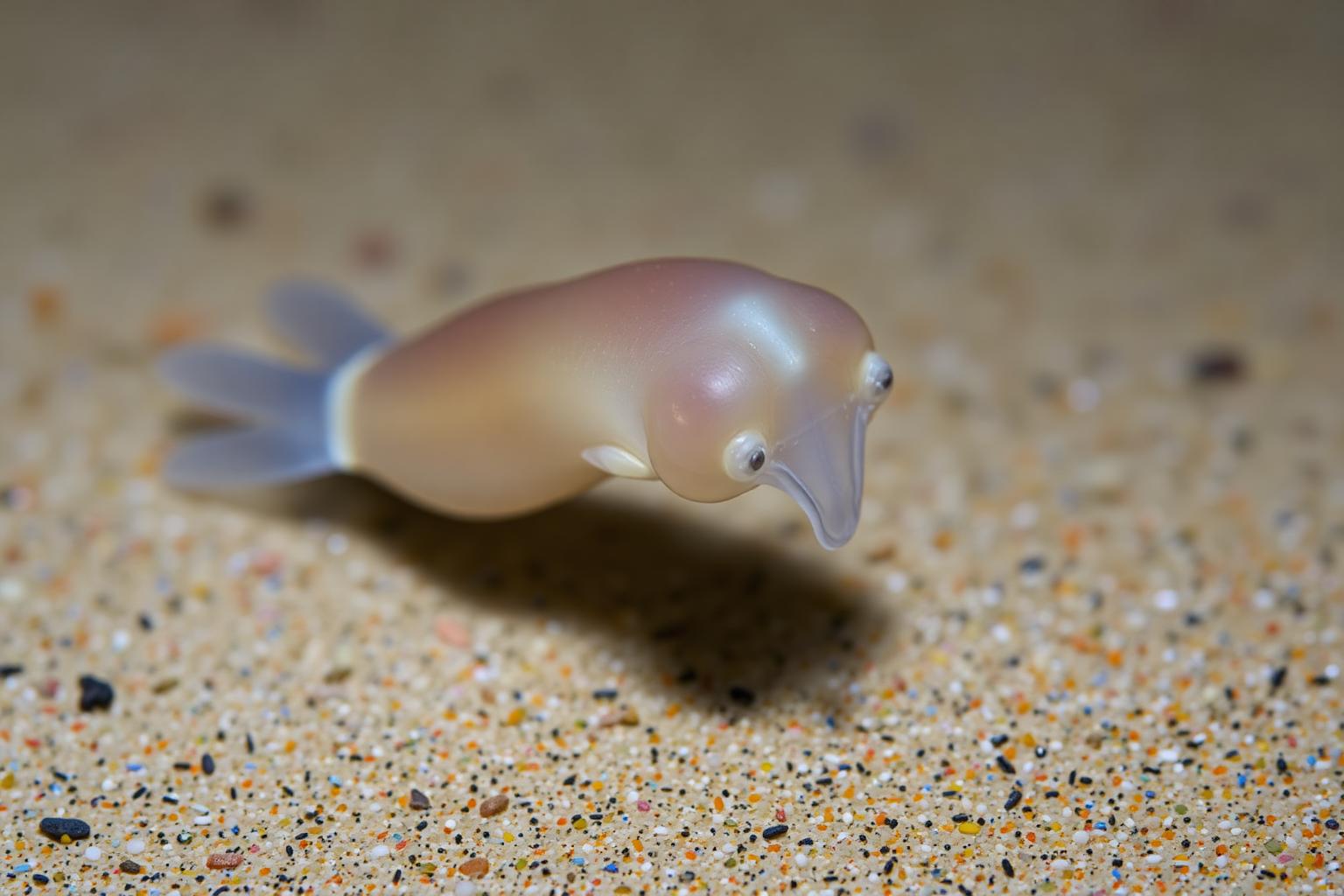
Hawaiian Bobtail Squid
A thumb-sized squid that hides in plain sight using bioluminescent bacteria to erase its own shadow under the moon.
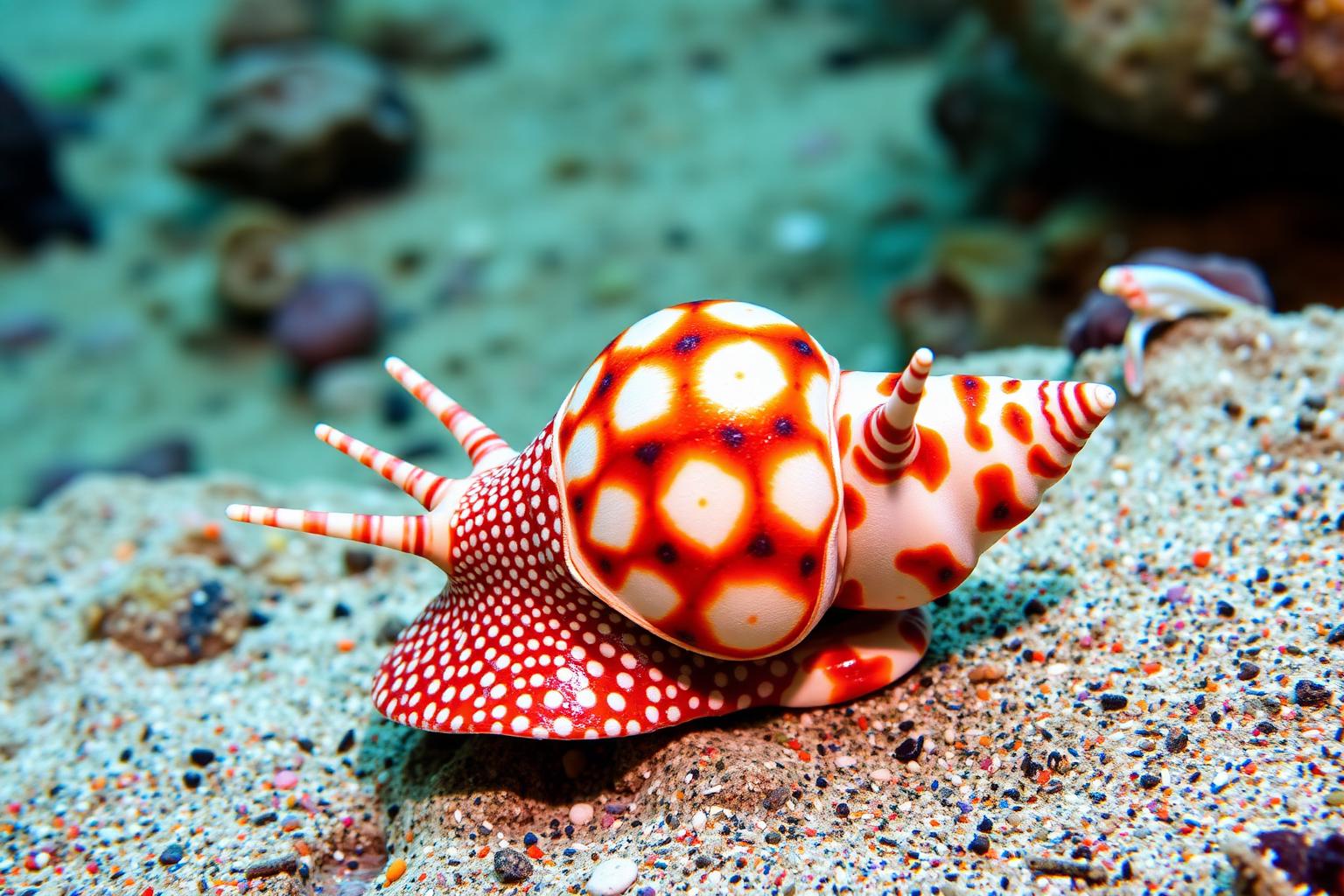
Textile Cone Snail
A beautiful but dangerous predator that fires a venomous harpoon to paralyze fish — and whose toxins inspire modern medicine.