
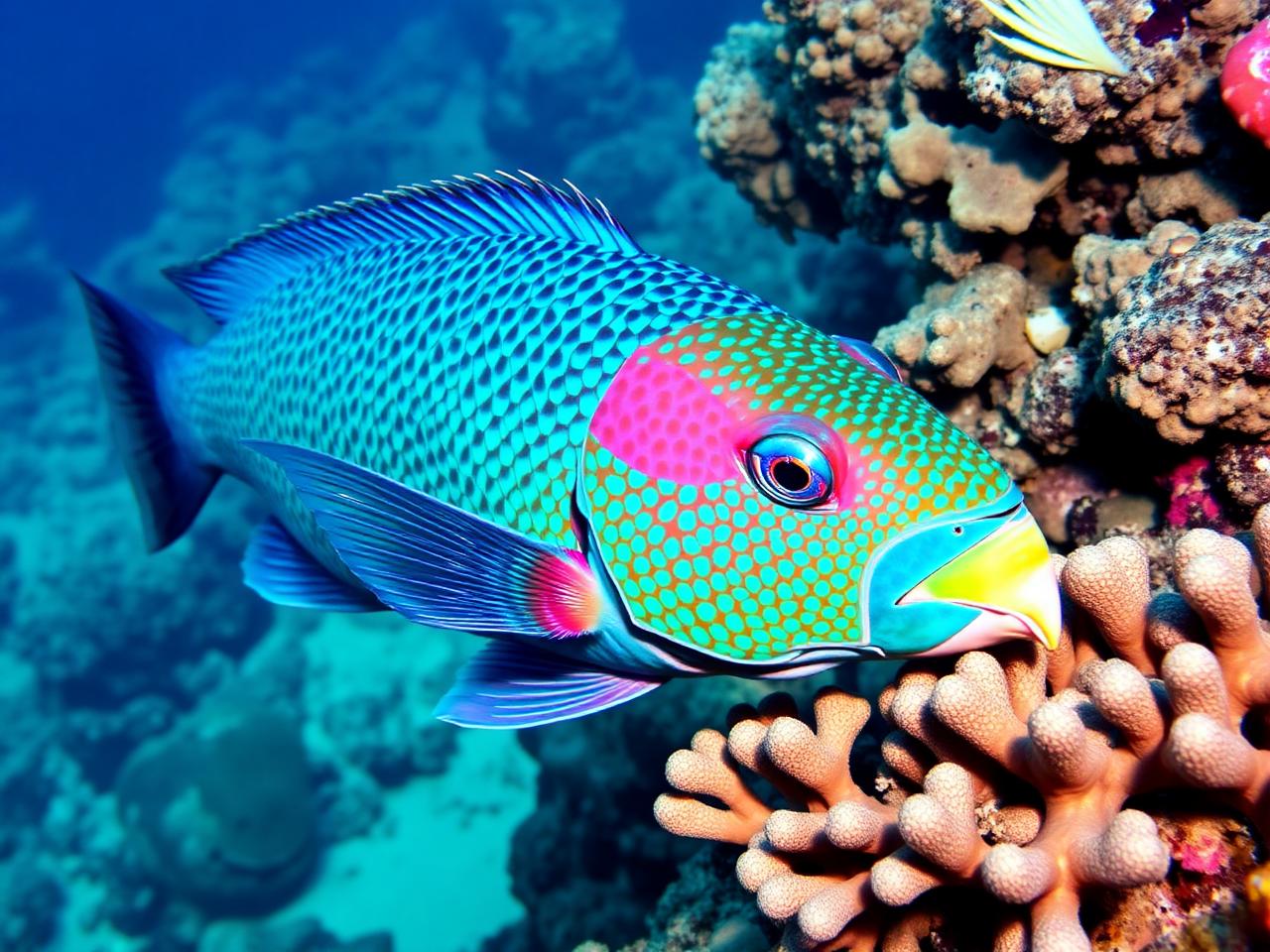
Parrotfish Parrotfish.
Beak-mouthed reef grazers that crunch live coral all day — and produce most of the white sand on Hawaiian beaches as digestive waste.
Parrotfish, called uhu in Hawaiian, get their name from the fused beak-like teeth they use to scrape algae and live coral from reef surfaces. Their throat contains a second set of grinding teeth that pulverize the coral skeleton, and what comes out the other end is fine, sugar-white sand. A single large uhu can produce up to 800 pounds of sand a year — meaning much of the white sand of Hawaiian beaches has literally passed through a parrotfish.
Parrotfish are sequential hermaphrodites: nearly all begin life as drab brown females (the "initial phase") and the largest individuals later transform into brilliantly colored males (the "terminal phase") in turquoise, green, pink, and orange.
At night, many uhu species secrete a mucus cocoon around themselves while they sleep — an envelope of slime that masks their scent from prowling moray eels. By keeping algae in check and producing sand, parrotfish are among the single most important species for the long-term health of any Hawaiian reef.
More species in this group.
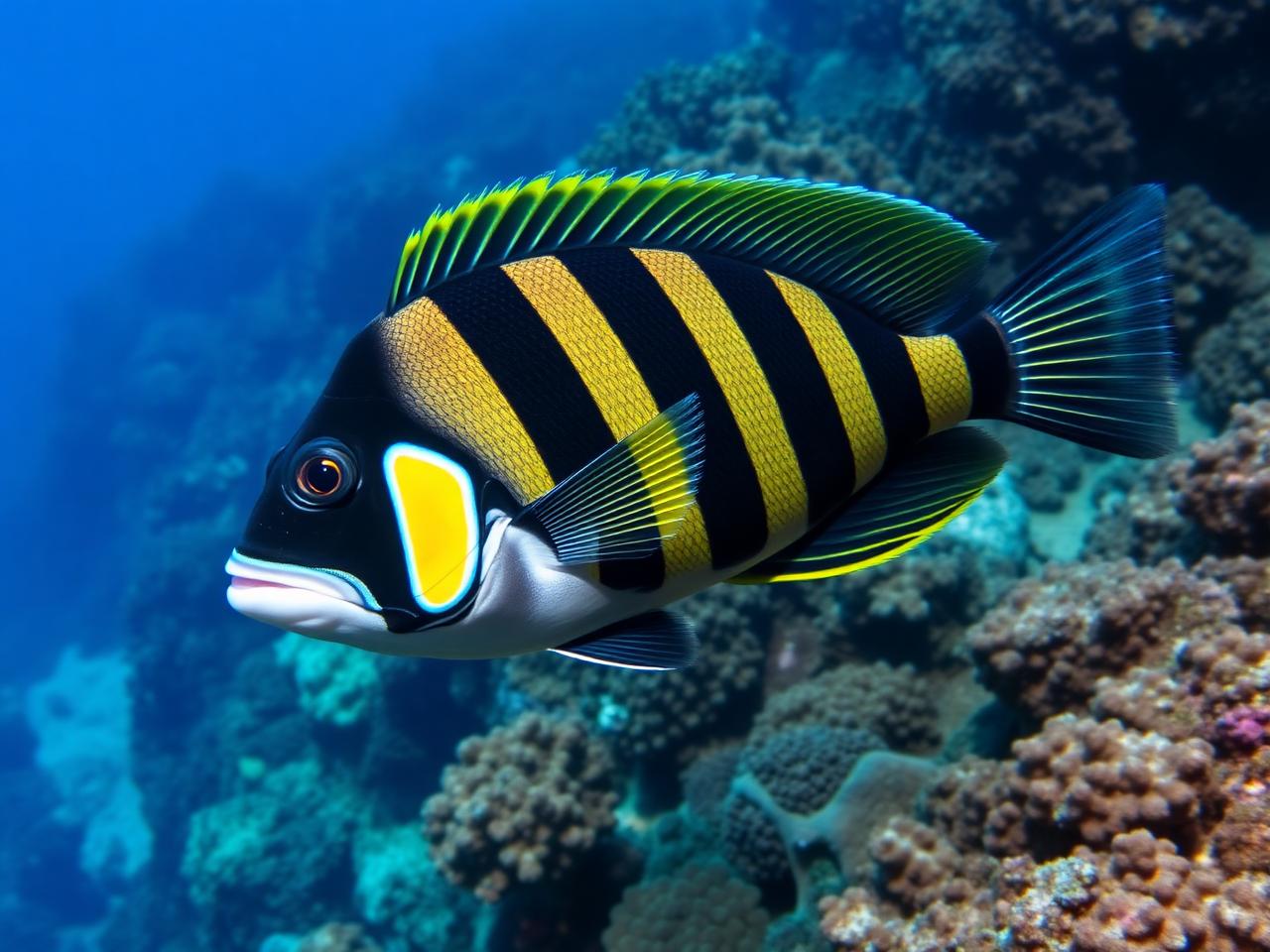
Humuhumunukunukuāpuaʻa
The reef triggerfish — Hawaiʻi's official state fish, with a name that means "fish that sews with a needle and grunts like a pig."
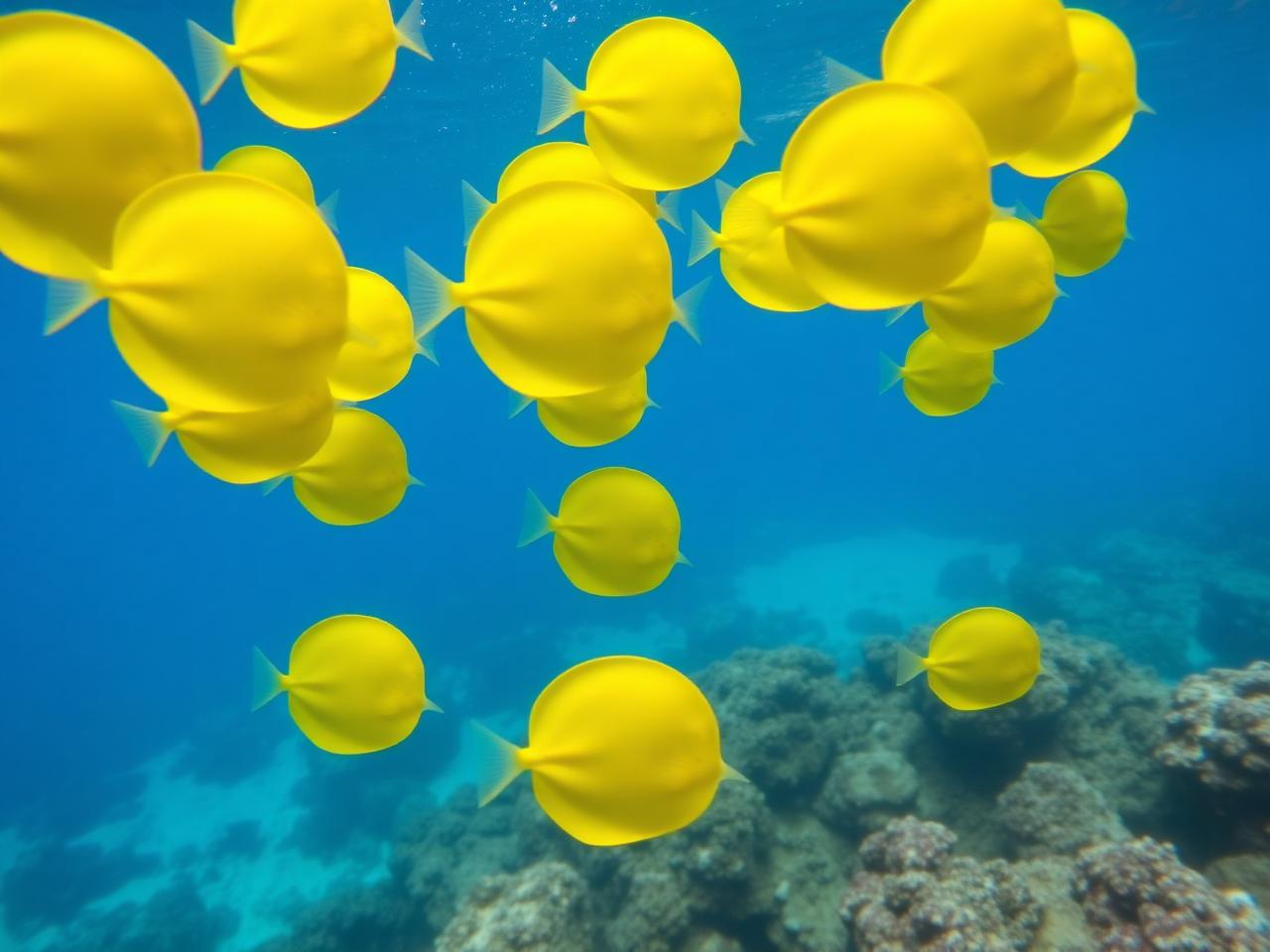
Yellow Tang
The vivid lemon-yellow surgeonfish that flashes through every Hawaiian reef — and one of the most recognizable fish in the world.
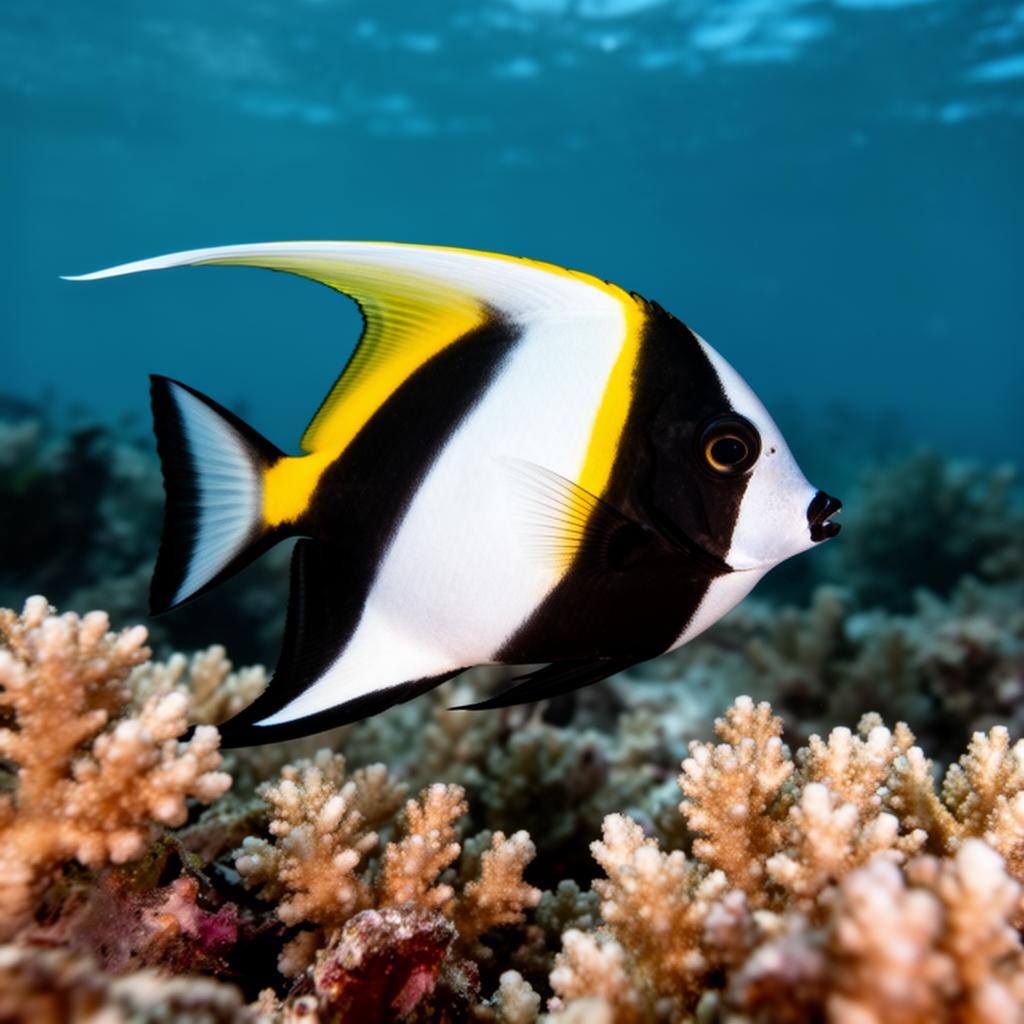
Moorish Idol
Iconic black, white and yellow reef fish with a long sweeping dorsal filament — solitary, mysterious, famously hard to keep in captivity.
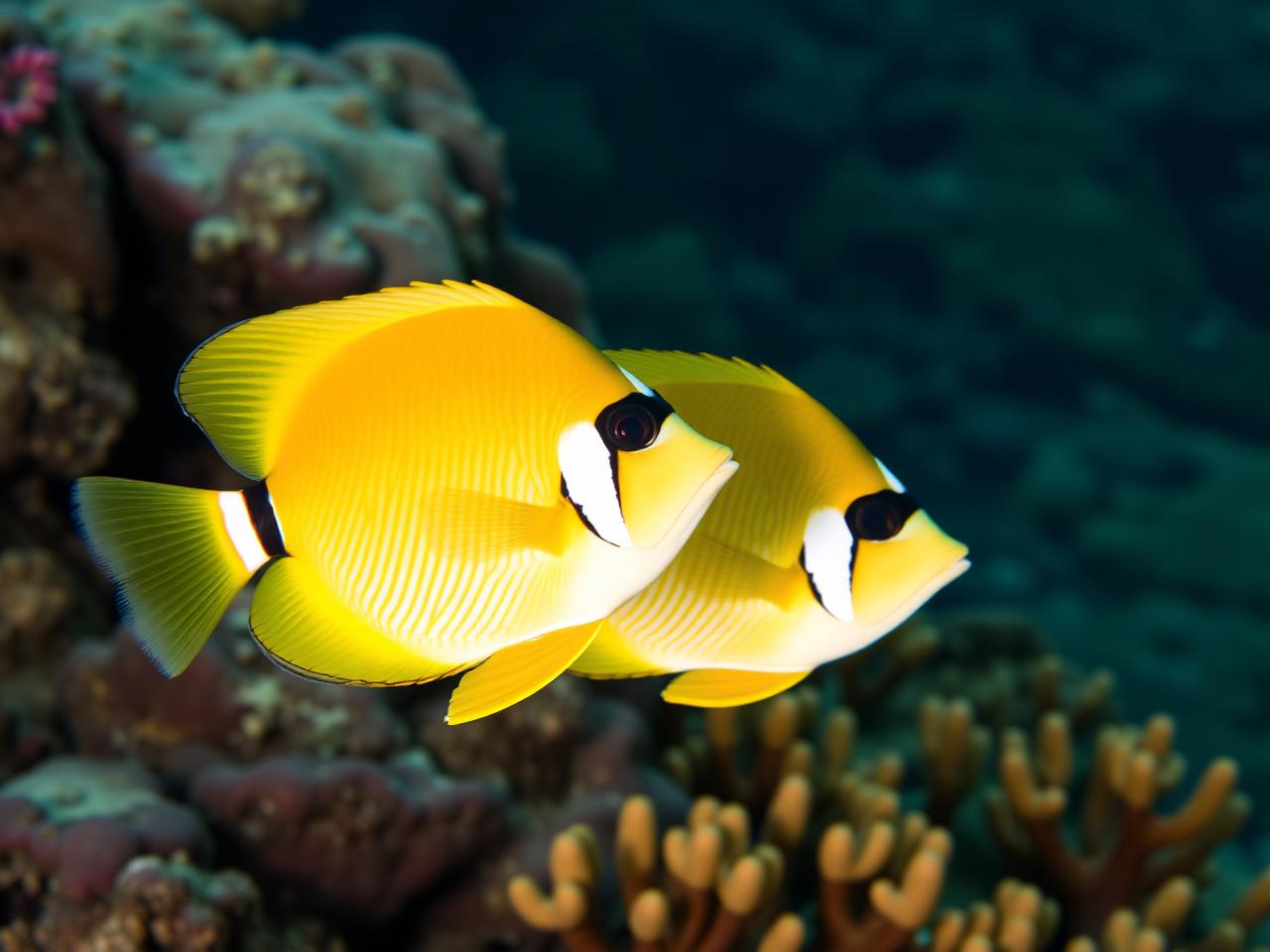
Raccoon Butterflyfish
Golden butterflyfish with a black bandit's mask. Often paired for life and one of the most common nighttime feeders on the reef.