
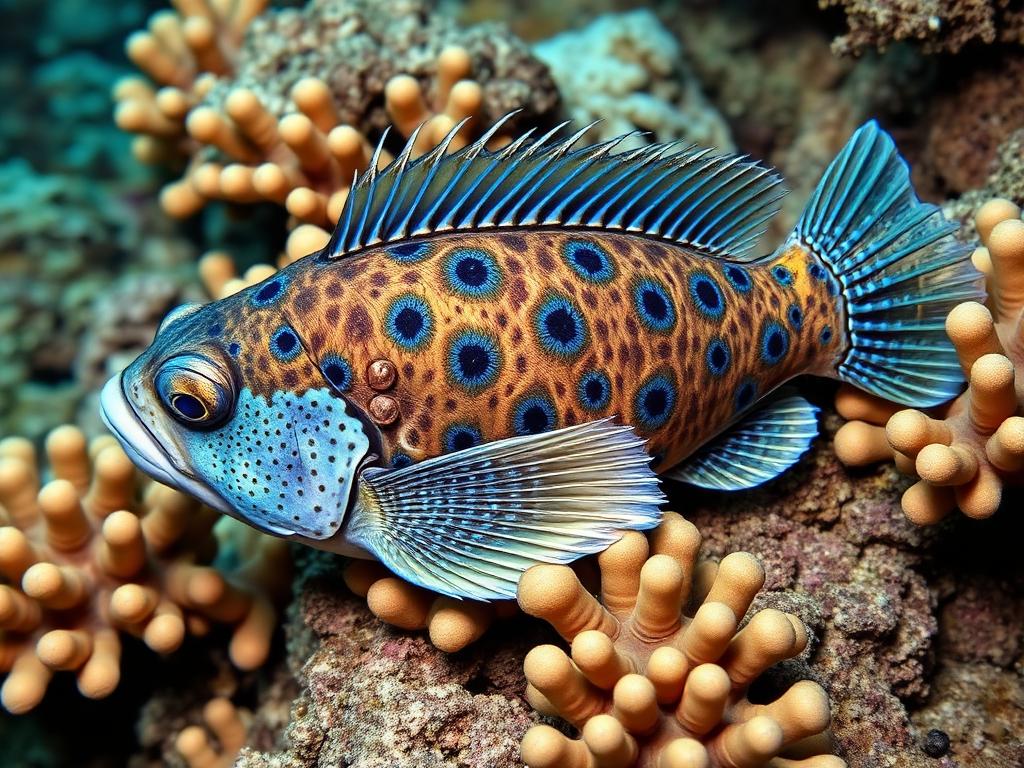
Peacock Grouper.
A blue-spotted ambush predator deliberately introduced to Hawaiʻi in the 1950s — now one of the reef's most controversial residents.
The peacock grouper, known in Hawaiʻi as roi, is a striking fish covered in iridescent blue spots on a dark reddish-brown background. Originally from the Indo-Pacific, it was deliberately introduced to Hawaiian waters by the State Division of Fish and Game in 1956 as a food fish — a decision now widely regarded as an ecological mistake.
Roi are aggressive ambush predators that lurk under ledges and in caves, darting out to engulf smaller reef fish whole. Studies have shown that in areas with high roi populations, native reef fish diversity and abundance decline significantly. They particularly impact populations of endemic Hawaiian species that evolved without such a large, aggressive predator.
Adding to the controversy, roi in Hawaiʻi frequently carry ciguatera toxin, making them unsafe to eat — the very purpose for which they were introduced. Ciguatera is a naturally occurring marine toxin that accumulates up the food chain and causes severe gastrointestinal and neurological symptoms in humans.
The roi story is now used as a cautionary tale about the dangers of introducing non-native species. Some Hawaiian communities organize periodic roi roundups to reduce their numbers on local reefs, though complete eradication is impossible.
More species in this group.
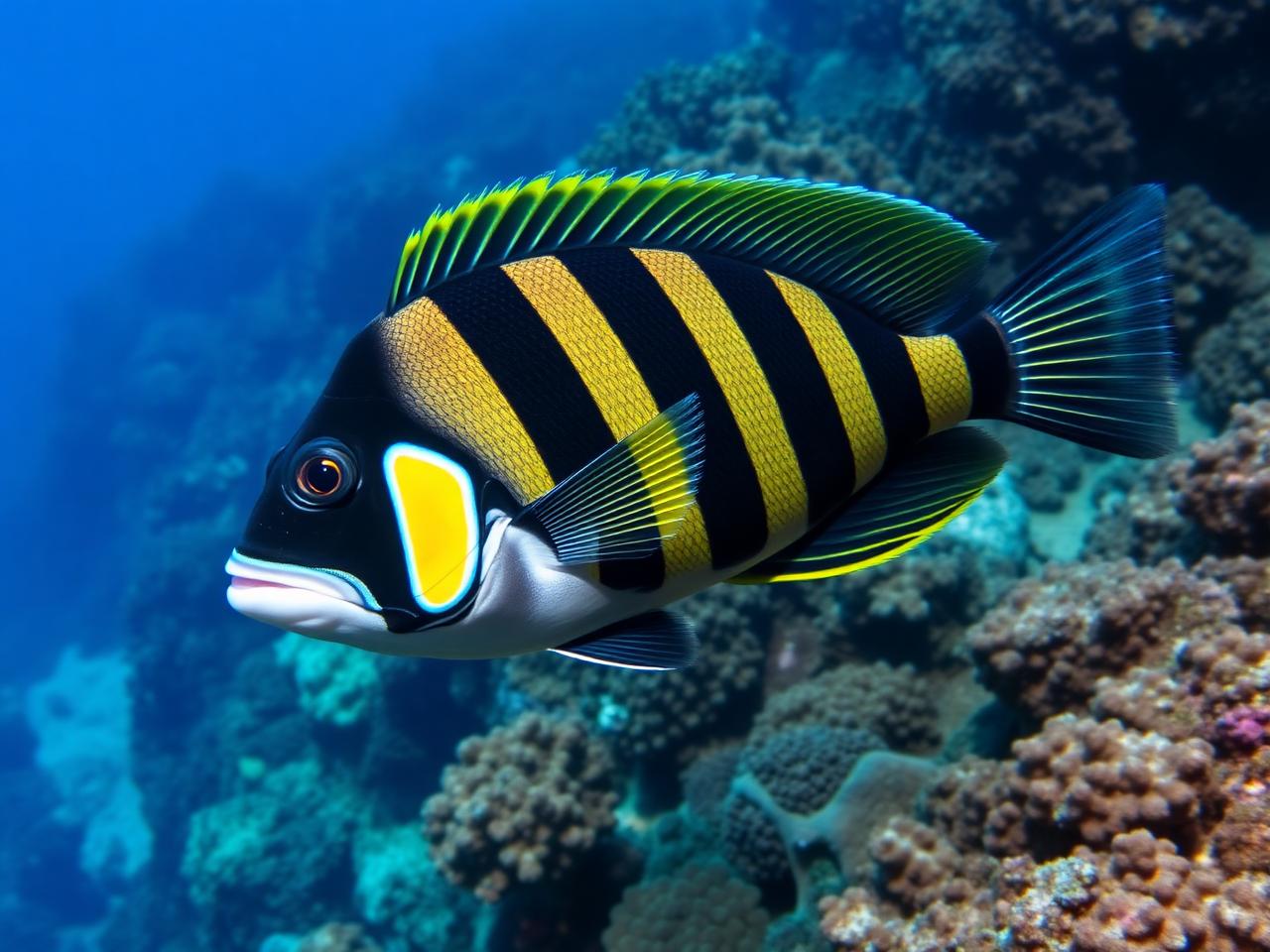
Humuhumunukunukuāpuaʻa
The reef triggerfish — Hawaiʻi's official state fish, with a name that means "fish that sews with a needle and grunts like a pig."
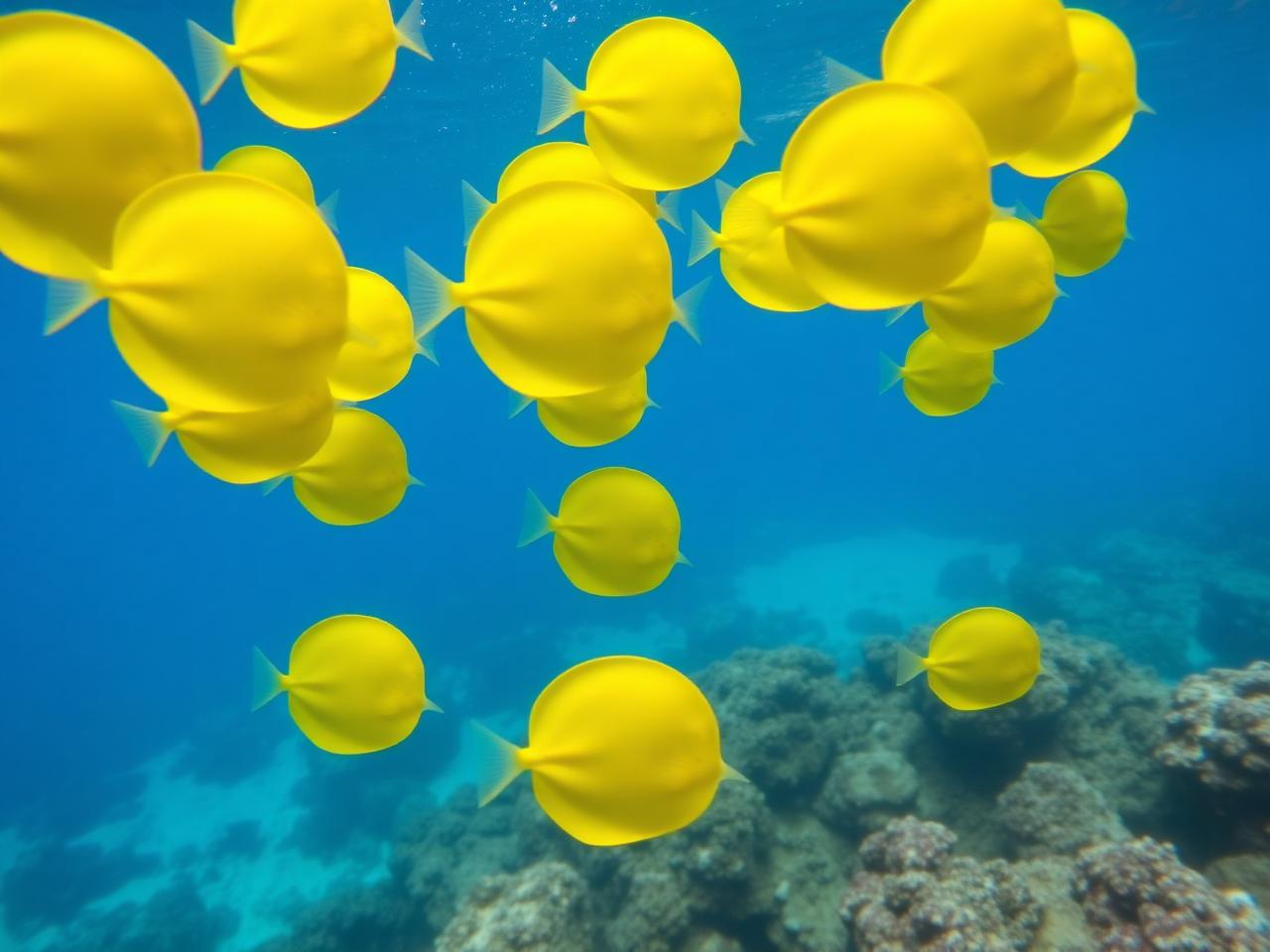
Yellow Tang
The vivid lemon-yellow surgeonfish that flashes through every Hawaiian reef — and one of the most recognizable fish in the world.
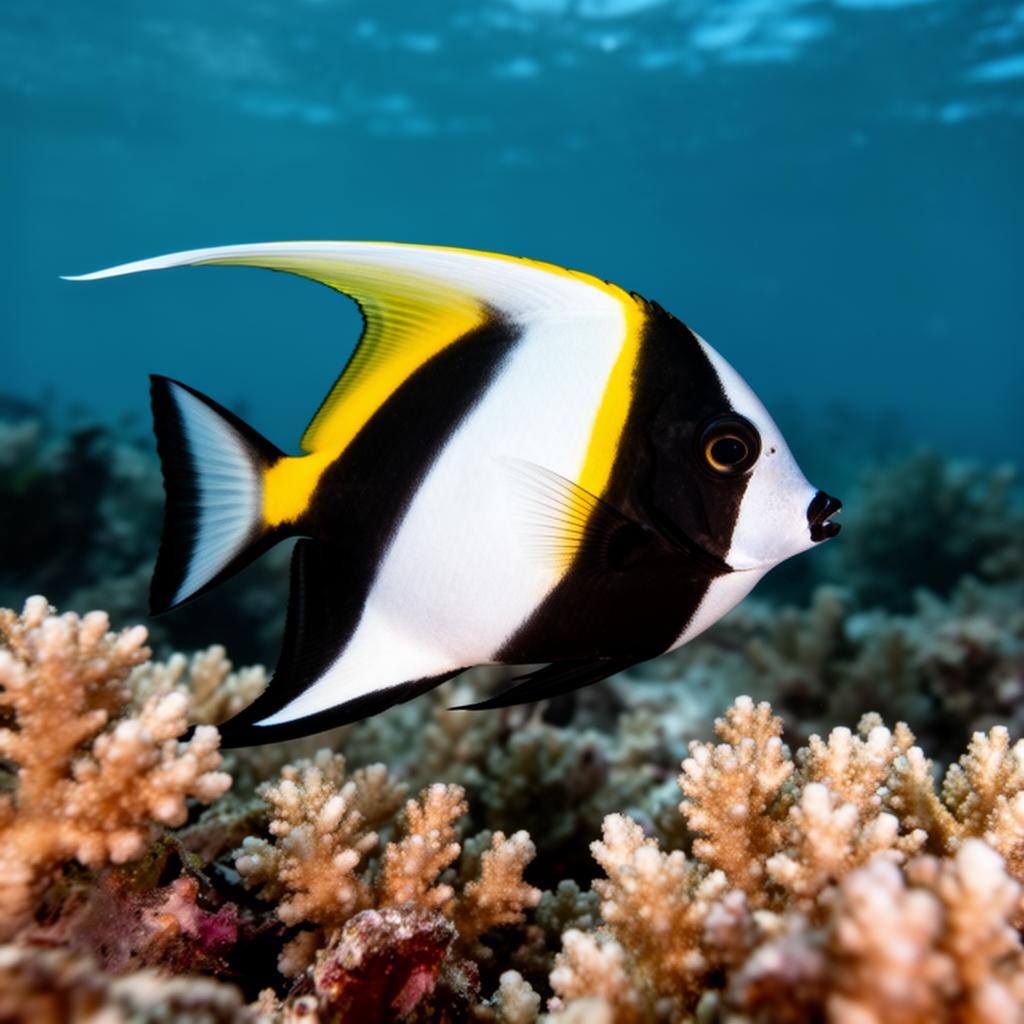
Moorish Idol
Iconic black, white and yellow reef fish with a long sweeping dorsal filament — solitary, mysterious, famously hard to keep in captivity.
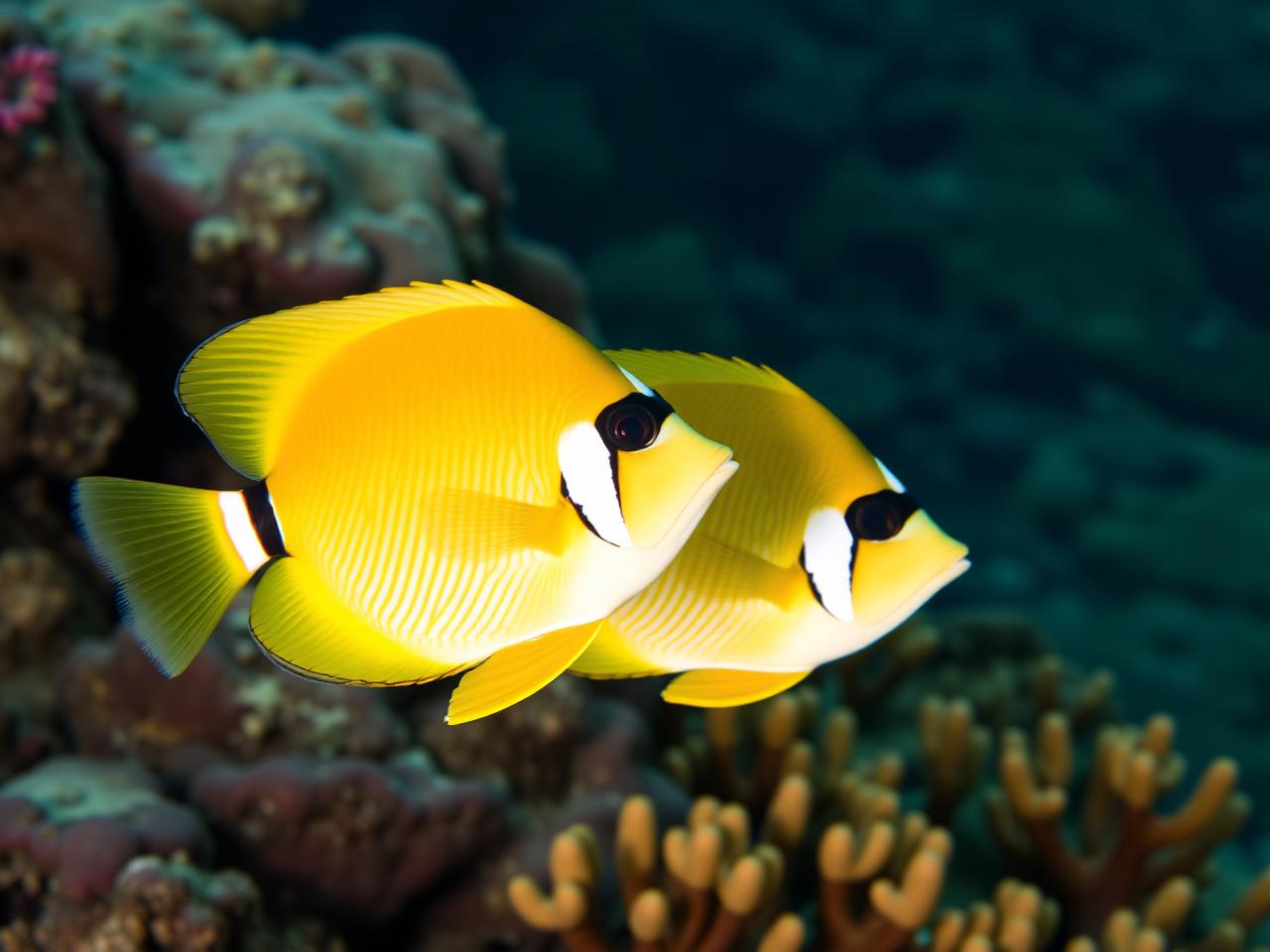
Raccoon Butterflyfish
Golden butterflyfish with a black bandit's mask. Often paired for life and one of the most common nighttime feeders on the reef.