
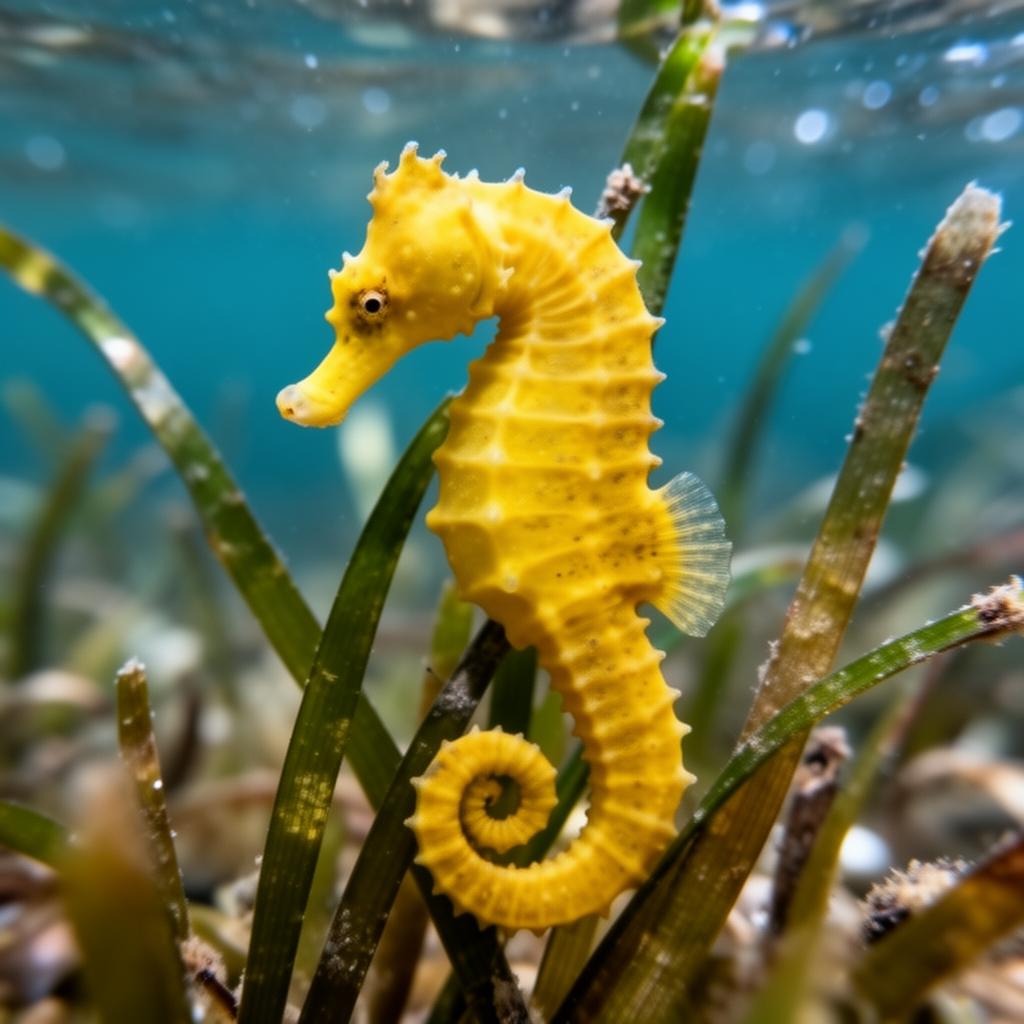
Smooth Seahorse.
A tiny armored fish where the male carries the babies — one of nature's most devoted fathers.
Seahorses are among the most extraordinary fishes in the ocean. Despite their un-fish-like appearance — horse-shaped head, prehensile tail, upright swimming posture — they are true bony fish belonging to the family Syngnathidae, which also includes pipefishes and sea dragons.
The most remarkable feature of seahorse biology is male pregnancy. The female deposits her eggs into the male's brood pouch, where he fertilizes and incubates them. He controls the salinity inside the pouch, gradually matching it to the surrounding seawater. After two to four weeks, he goes through contractions and births dozens to hundreds of fully formed miniature seahorses.
Seahorses are poor swimmers, propelling themselves with a tiny dorsal fin that beats up to 35 times per second. To avoid being swept away by currents, they anchor themselves to coral, sponges, or seagrass with their prehensile tails. They are ambush predators, sucking tiny crustaceans through their tubular snouts with a rapid snap.
Many seahorse species are threatened by overharvesting for traditional medicine, the aquarium trade, and bycatch. The Waikīkī Aquarium has been involved in seahorse breeding and conservation research for decades.
More species in this group.
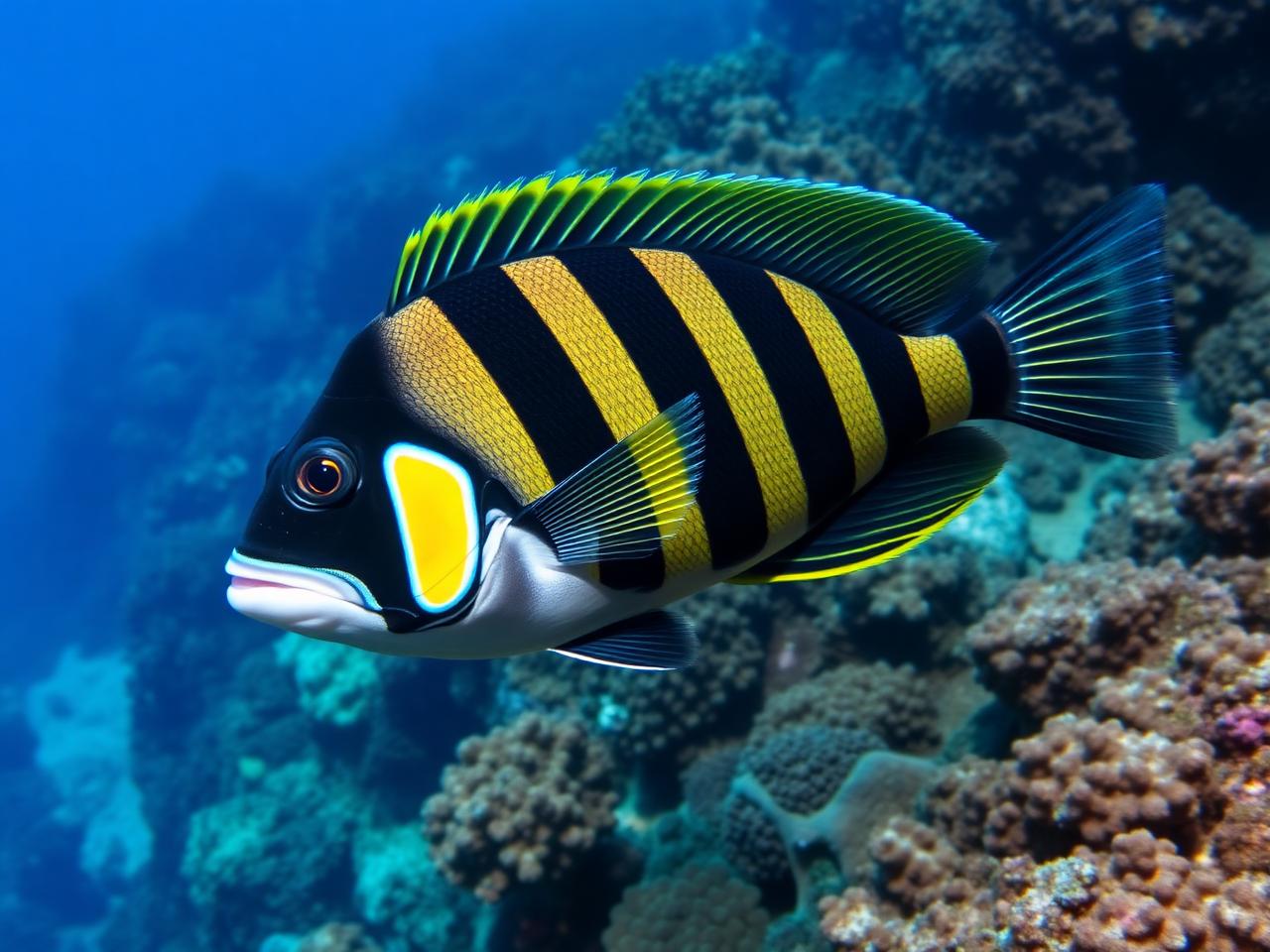
Humuhumunukunukuāpuaʻa
The reef triggerfish — Hawaiʻi's official state fish, with a name that means "fish that sews with a needle and grunts like a pig."
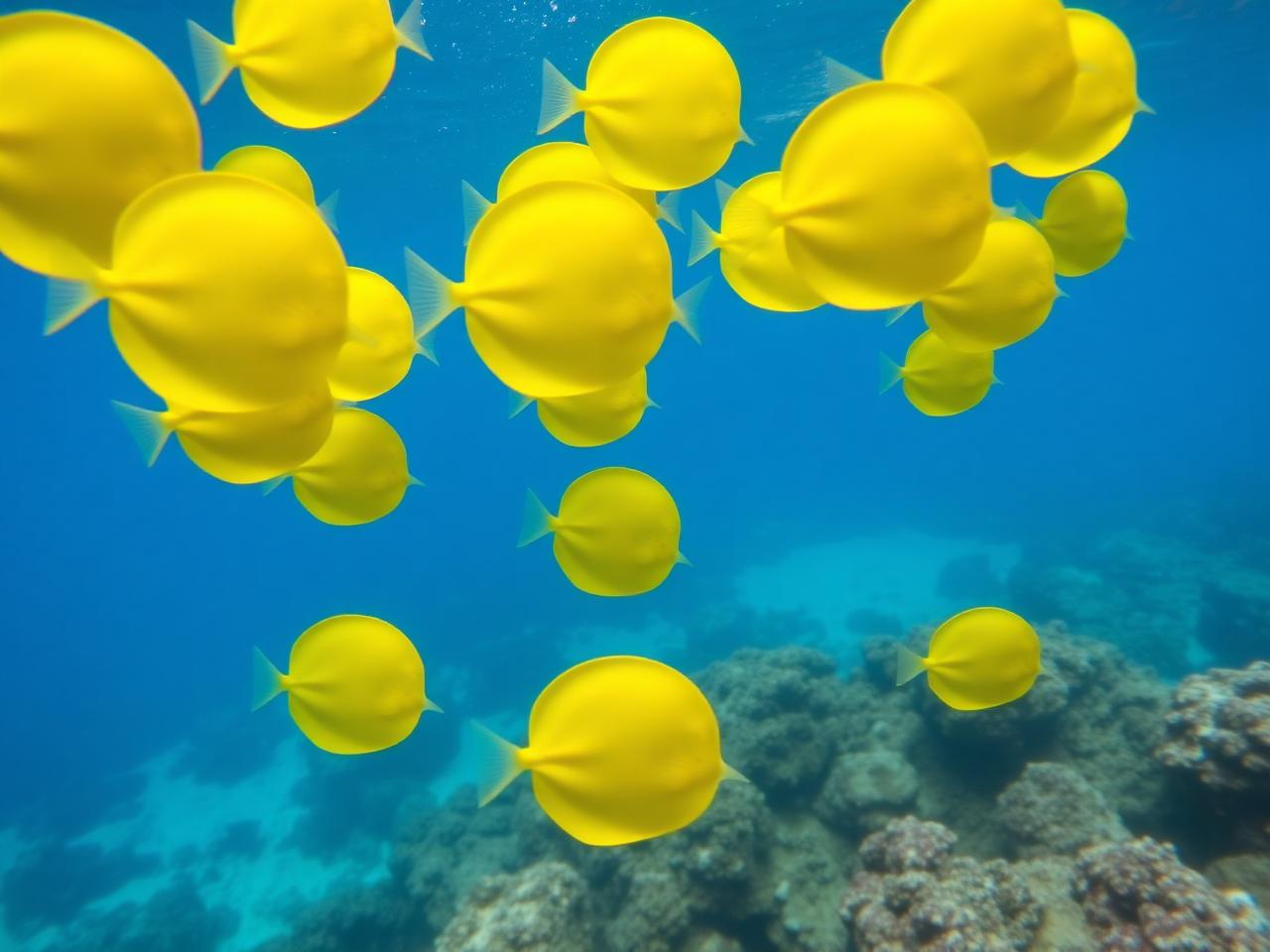
Yellow Tang
The vivid lemon-yellow surgeonfish that flashes through every Hawaiian reef — and one of the most recognizable fish in the world.
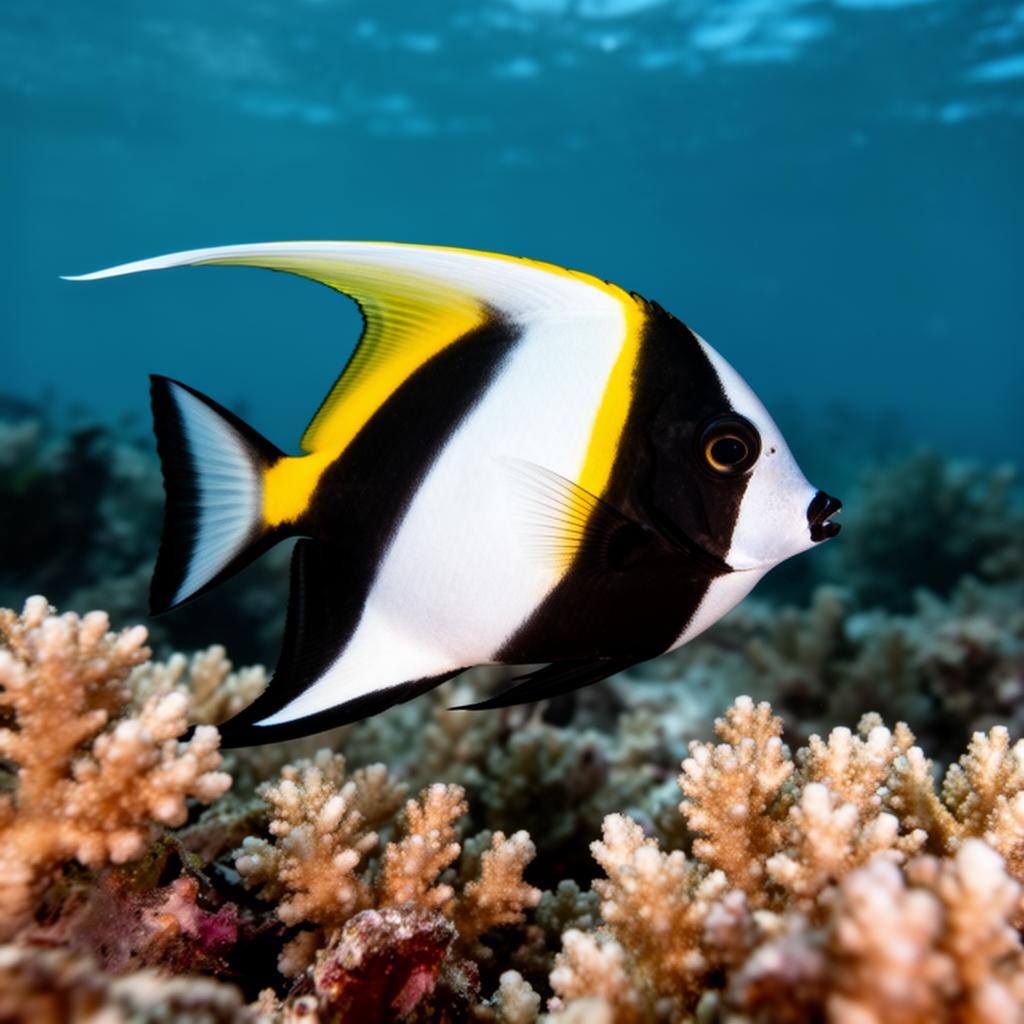
Moorish Idol
Iconic black, white and yellow reef fish with a long sweeping dorsal filament — solitary, mysterious, famously hard to keep in captivity.
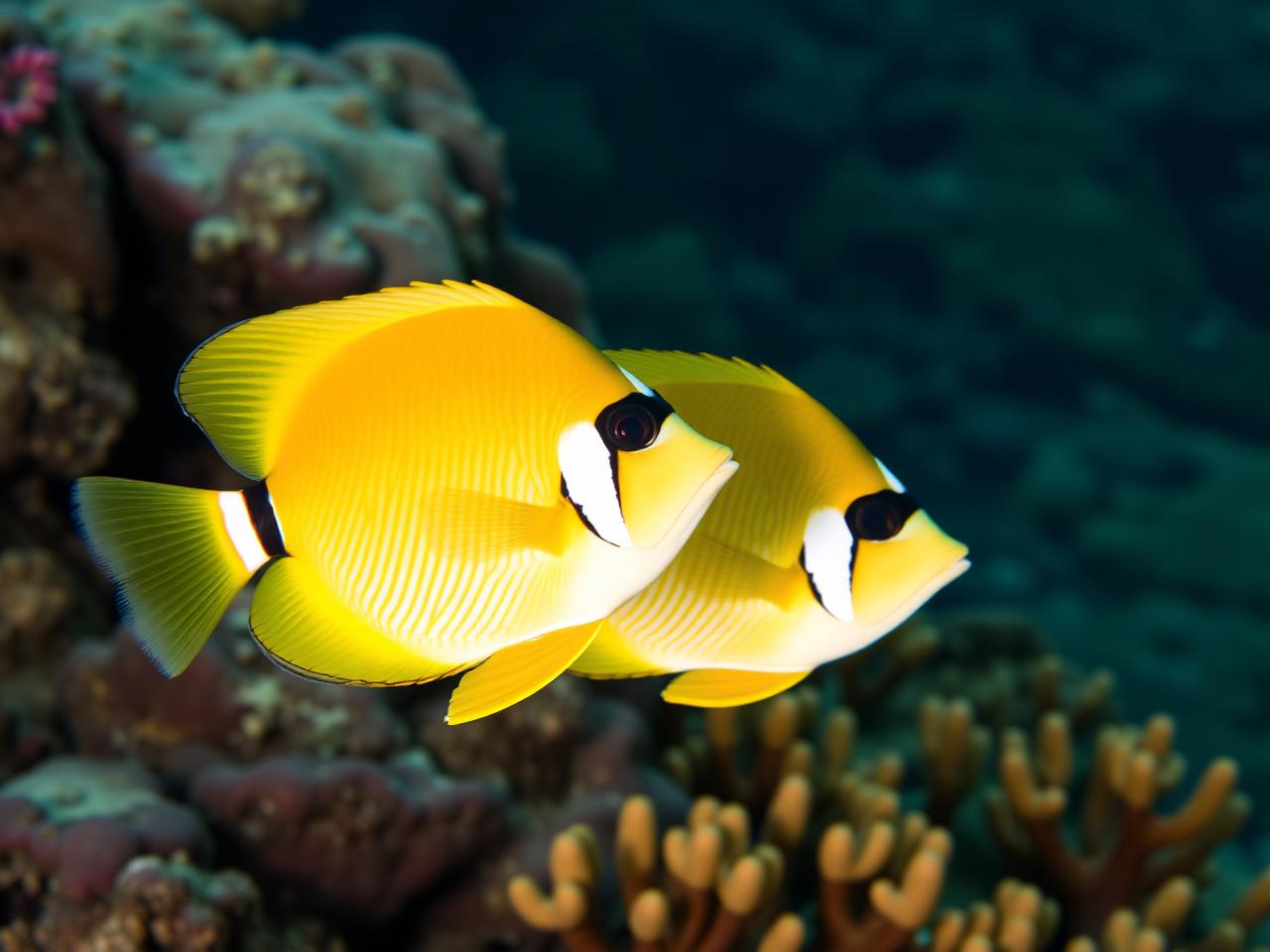
Raccoon Butterflyfish
Golden butterflyfish with a black bandit's mask. Often paired for life and one of the most common nighttime feeders on the reef.