
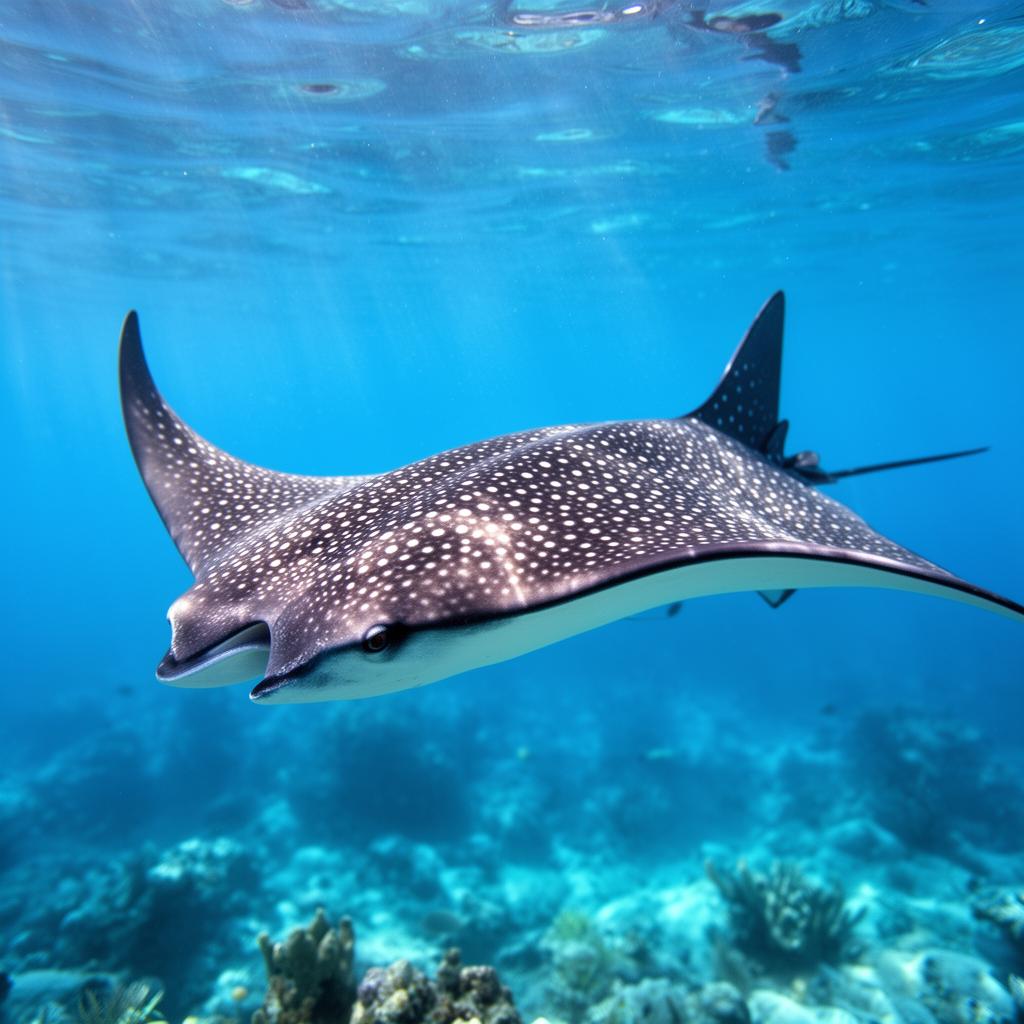
Spotted Eagle Ray.
A graceful ray with a constellation of white spots across its dark back, soaring through the water like an underwater bird of prey.
The spotted eagle ray, hīhīmanu in Hawaiian, is one of the most beautiful and graceful animals in the sea. Its dark dorsal surface is decorated with hundreds of white spots — a pattern as unique to each individual as a human fingerprint. With wing-like pectoral fins spanning up to ten feet, it glides through the water with slow, powerful beats.
Eagle rays feed primarily on hard-shelled mollusks and crustaceans, which they crush with flat, plate-like teeth. They use their duck-bill-shaped snout to root through sandy bottoms, sometimes creating large excavation pits that other fish then exploit for exposed prey.
Hīhīmanu are known for their spectacular leaping behavior — launching completely out of the water and belly-flopping back in. Scientists think this may help dislodge parasites, communicate with other rays, or simply be a form of play.
In Hawaiian culture, the eagle ray was admired for its beauty and grace. The word hīhīmanu combines hīhī (rays of the sun) and manu (bird), reflecting how Hawaiians saw the ray as a creature that flew through the sea the way birds fly through the sky.
More species in this group.
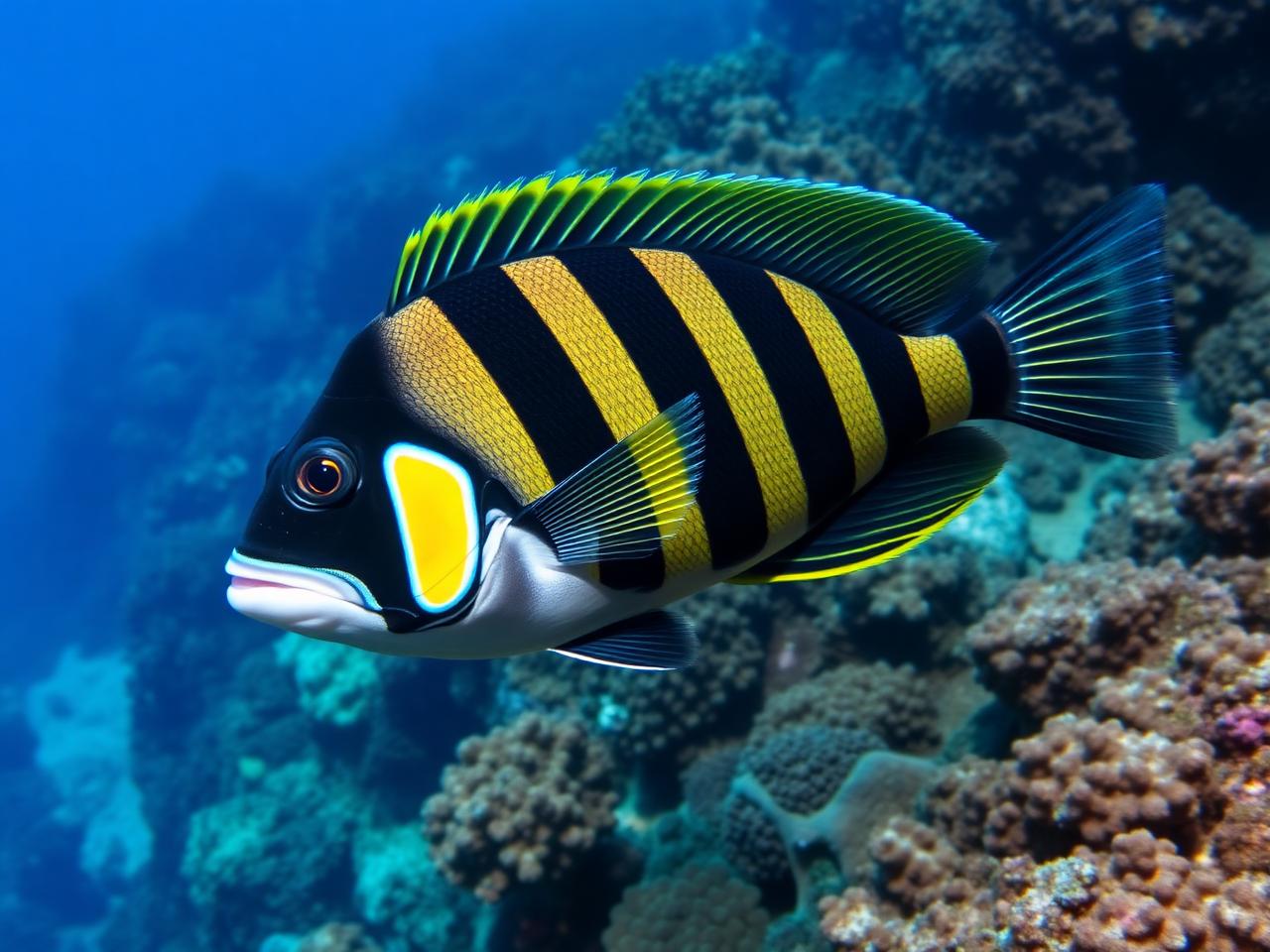
Humuhumunukunukuāpuaʻa
The reef triggerfish — Hawaiʻi's official state fish, with a name that means "fish that sews with a needle and grunts like a pig."
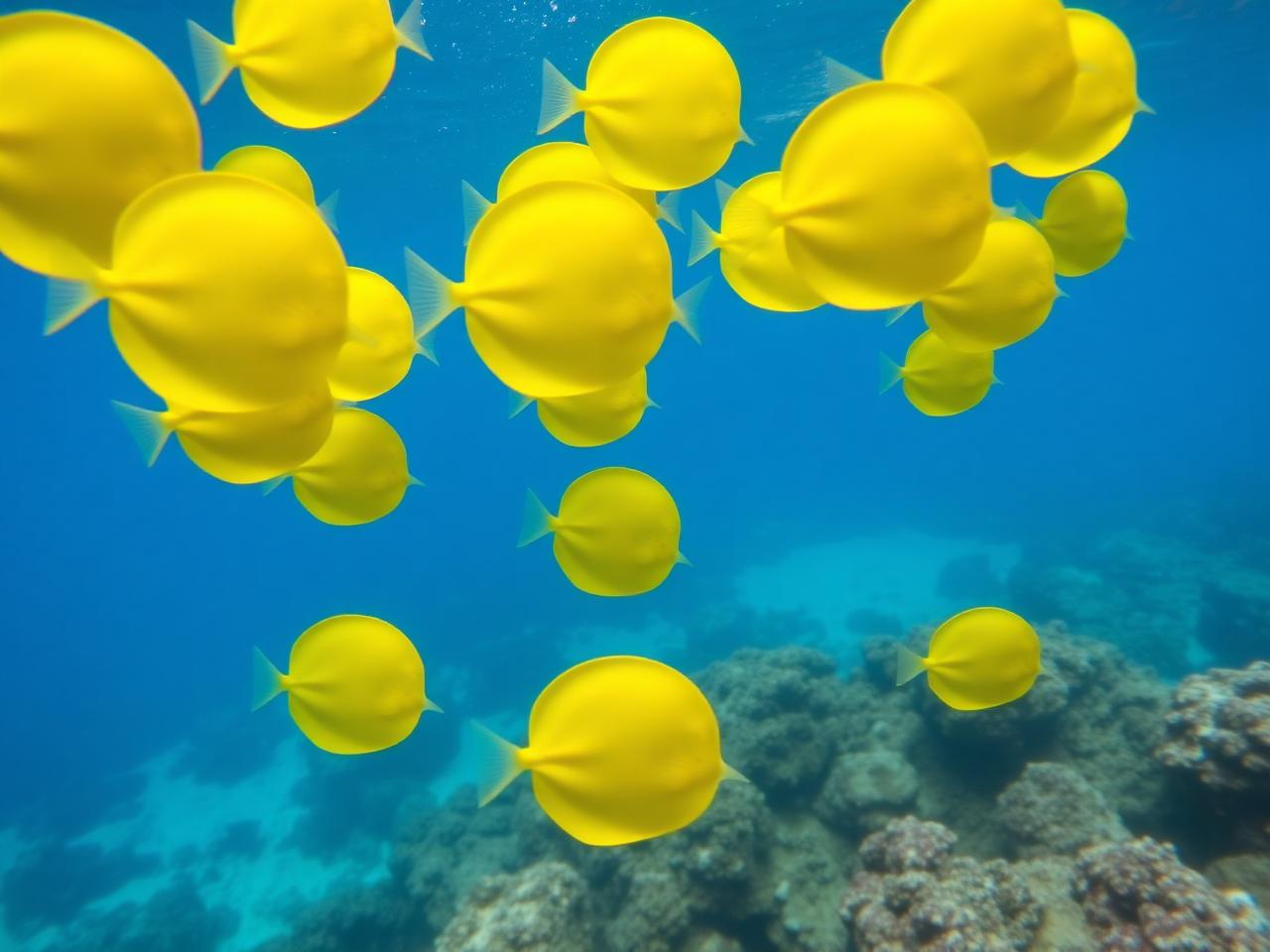
Yellow Tang
The vivid lemon-yellow surgeonfish that flashes through every Hawaiian reef — and one of the most recognizable fish in the world.
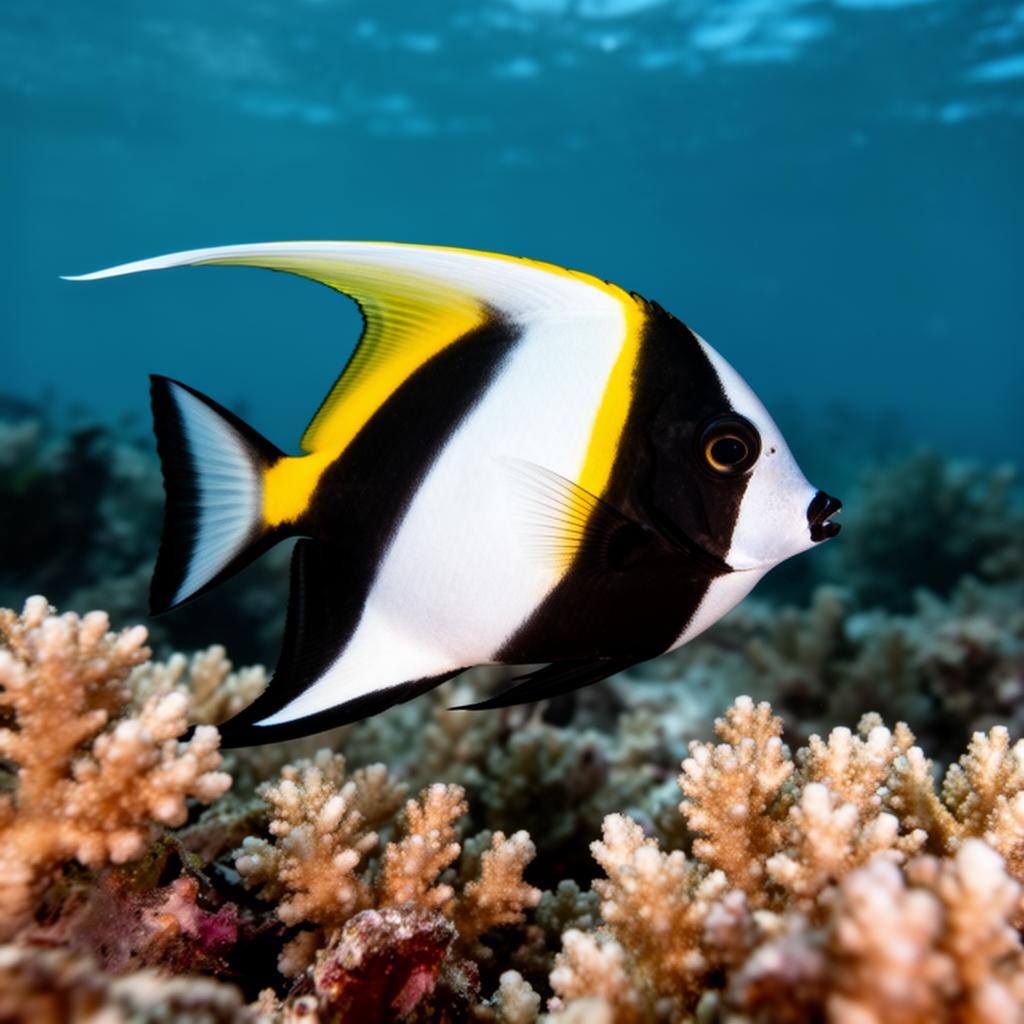
Moorish Idol
Iconic black, white and yellow reef fish with a long sweeping dorsal filament — solitary, mysterious, famously hard to keep in captivity.
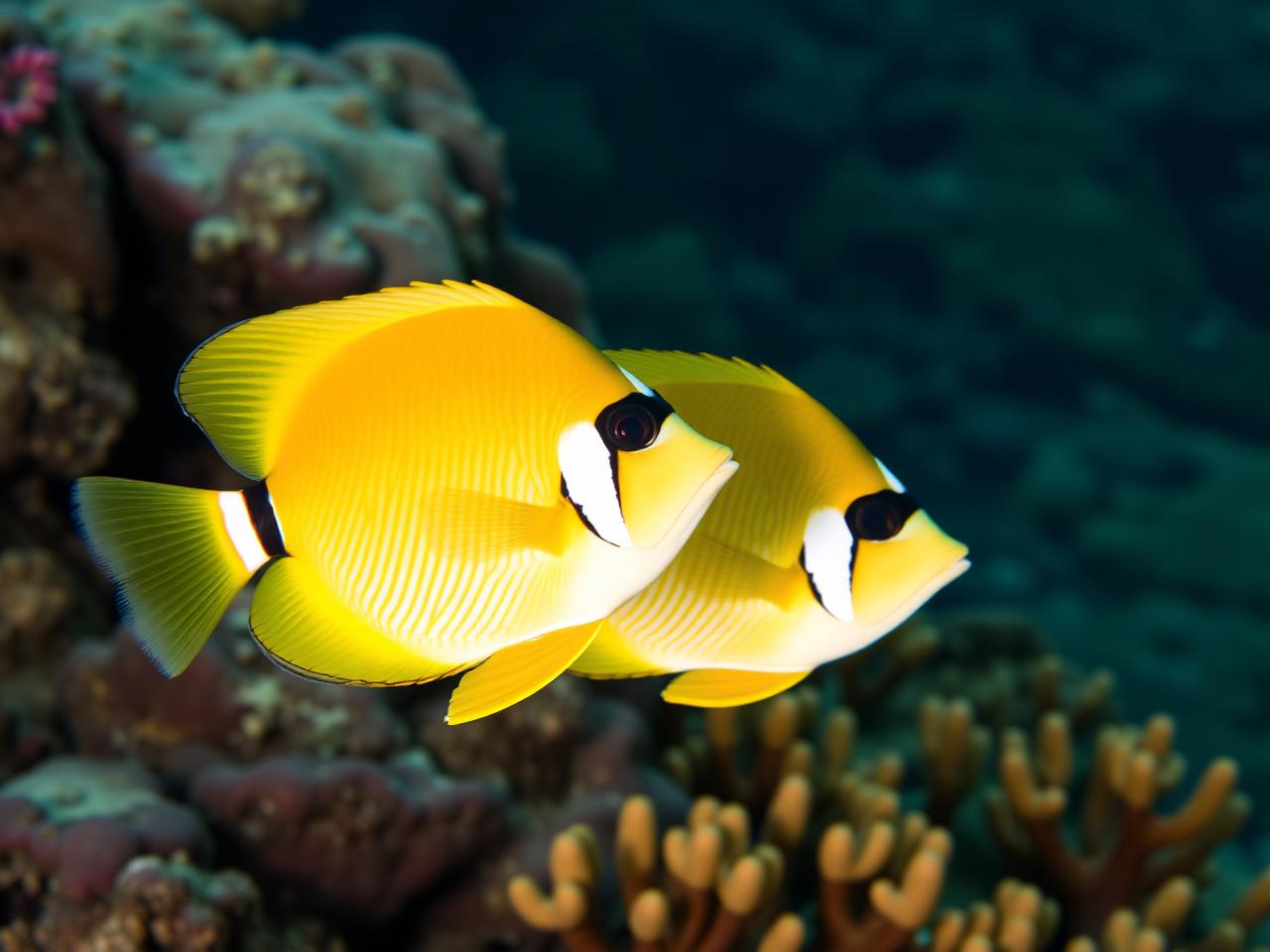
Raccoon Butterflyfish
Golden butterflyfish with a black bandit's mask. Often paired for life and one of the most common nighttime feeders on the reef.