
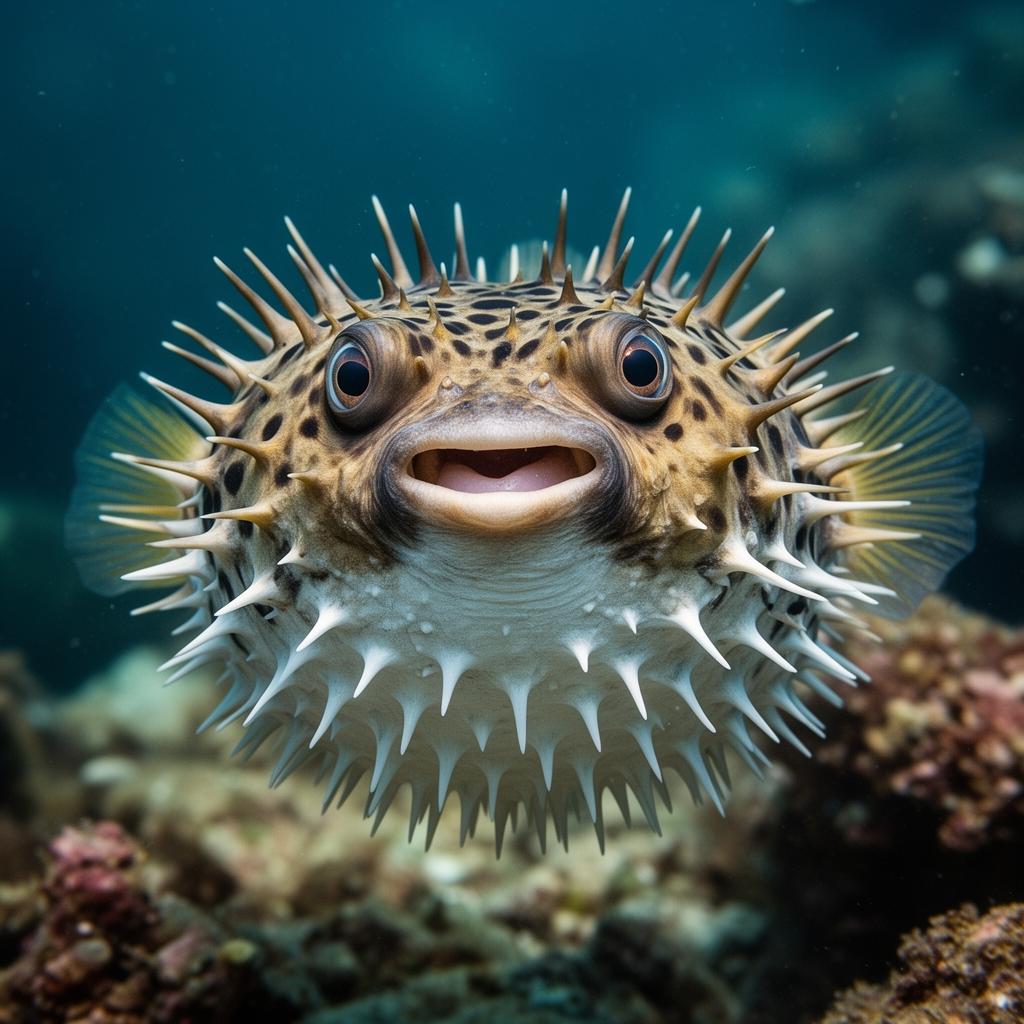
Stripebelly Puffer.
A slow-swimming, big-eyed pufferfish that can inflate into a spiky balloon and carries one of nature's deadliest toxins.
The stripebelly puffer, known in Hawaiian as ʻoʻopu hue, is a common sight on Hawaiian reefs. It drifts along at a leisurely pace, propelled by its small pectoral fins, seemingly unconcerned about predators — and with good reason. When threatened, it gulps water to inflate into a rigid ball several times its normal size.
Pufferfish carry tetrodotoxin, one of the most potent neurotoxins in nature — up to 1,200 times more deadly than cyanide. The toxin is concentrated in the liver, ovaries, and skin, and there is no known antidote. Despite this, fugu (pufferfish) is a delicacy in Japan, where specially licensed chefs prepare it.
ʻOʻopu hue are omnivorous grazers that use their strong beak-like teeth to crunch coral, algae, sponges, and small invertebrates. The teeth grow continuously throughout their lives to compensate for the wear of biting hard substrates.
In Hawaiian tradition, the puffer's ability to inflate was associated with the wind god. Fishermen would sometimes dry inflated puffers and hang them as wind indicators.
More species in this group.
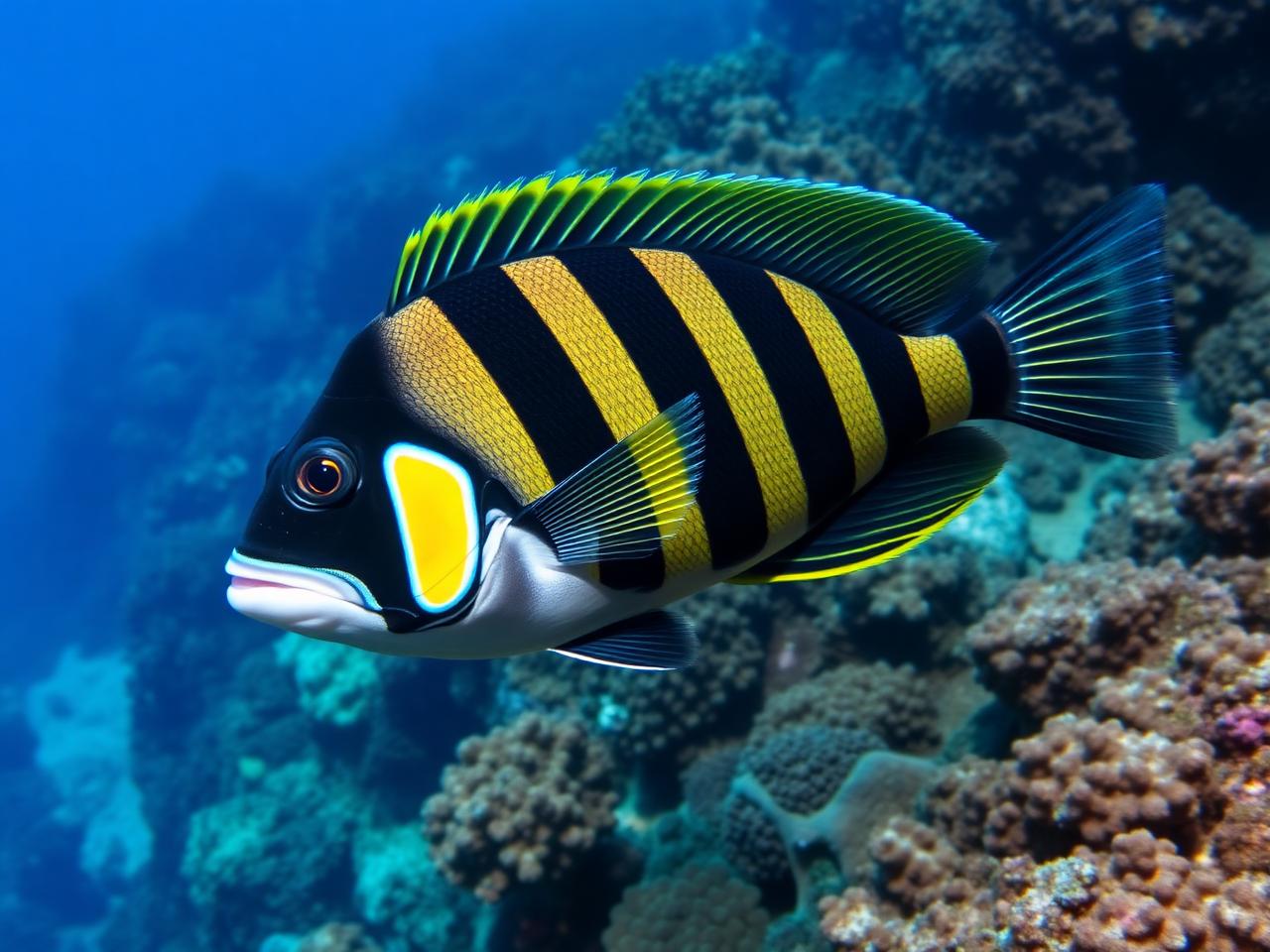
Humuhumunukunukuāpuaʻa
The reef triggerfish — Hawaiʻi's official state fish, with a name that means "fish that sews with a needle and grunts like a pig."
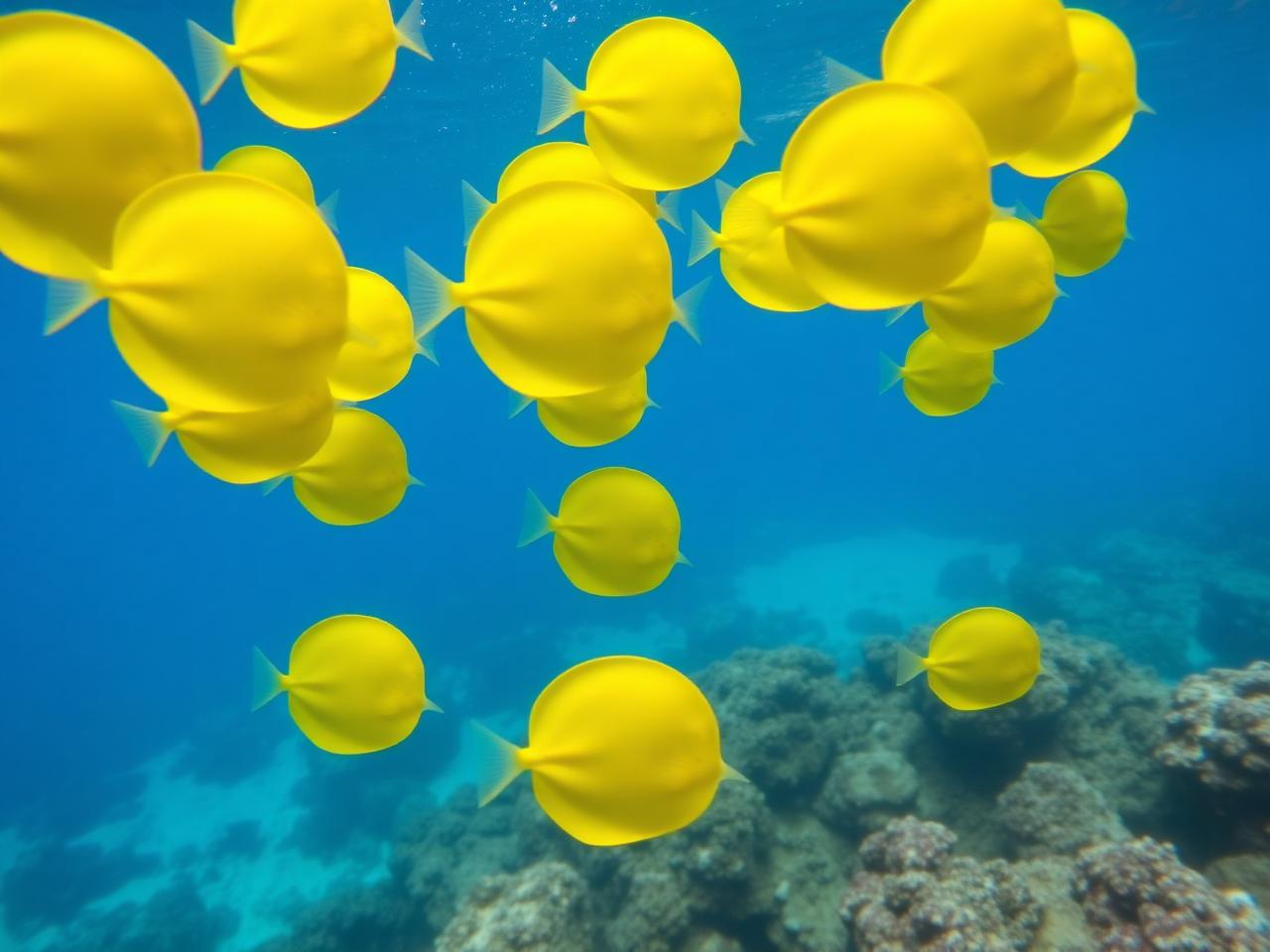
Yellow Tang
The vivid lemon-yellow surgeonfish that flashes through every Hawaiian reef — and one of the most recognizable fish in the world.
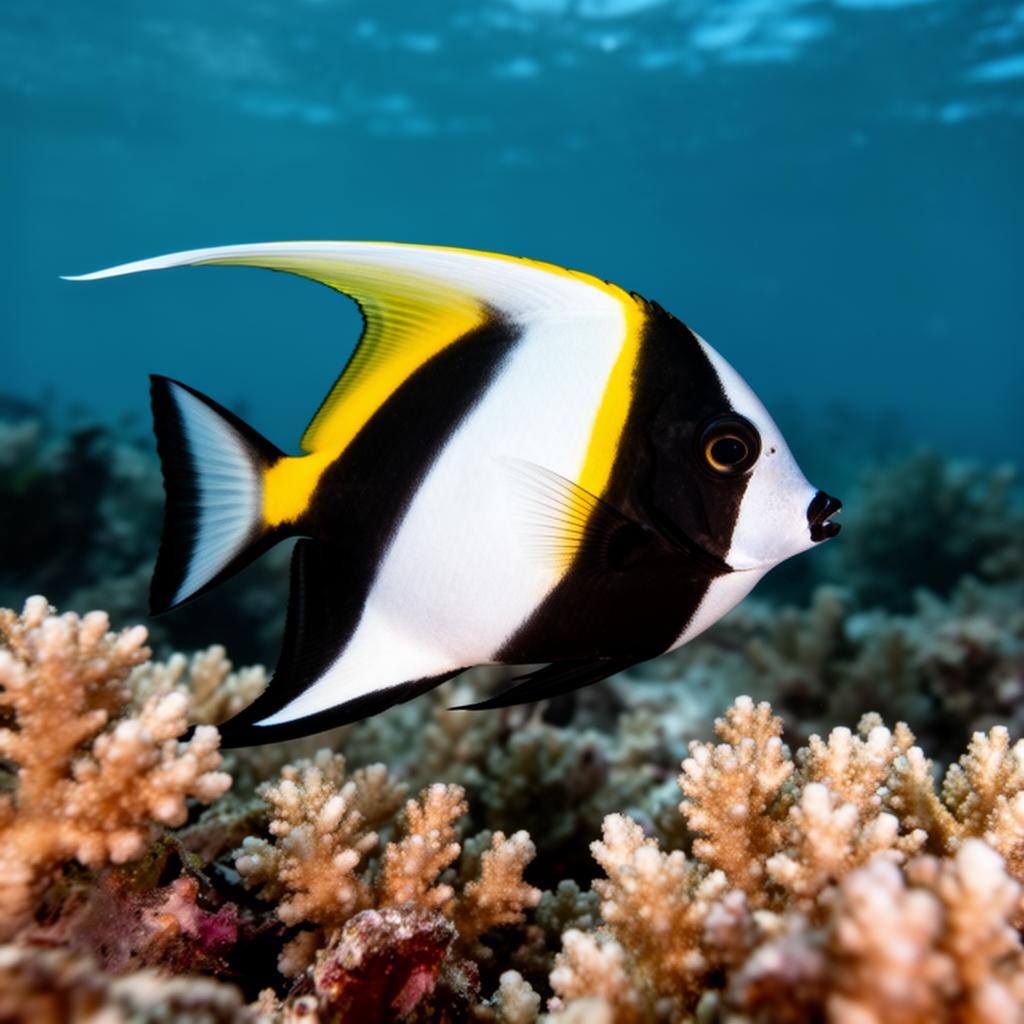
Moorish Idol
Iconic black, white and yellow reef fish with a long sweeping dorsal filament — solitary, mysterious, famously hard to keep in captivity.
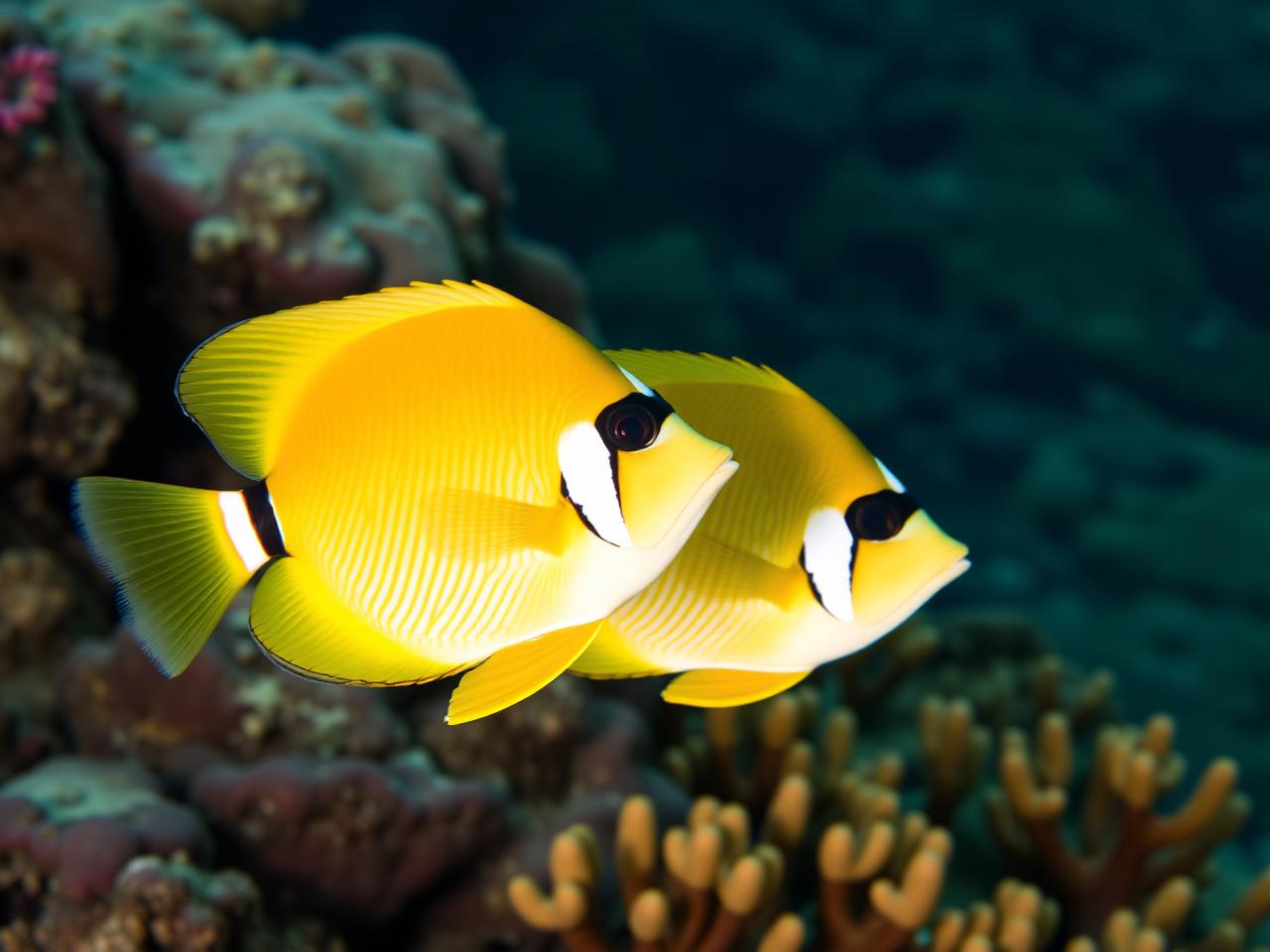
Raccoon Butterflyfish
Golden butterflyfish with a black bandit's mask. Often paired for life and one of the most common nighttime feeders on the reef.