
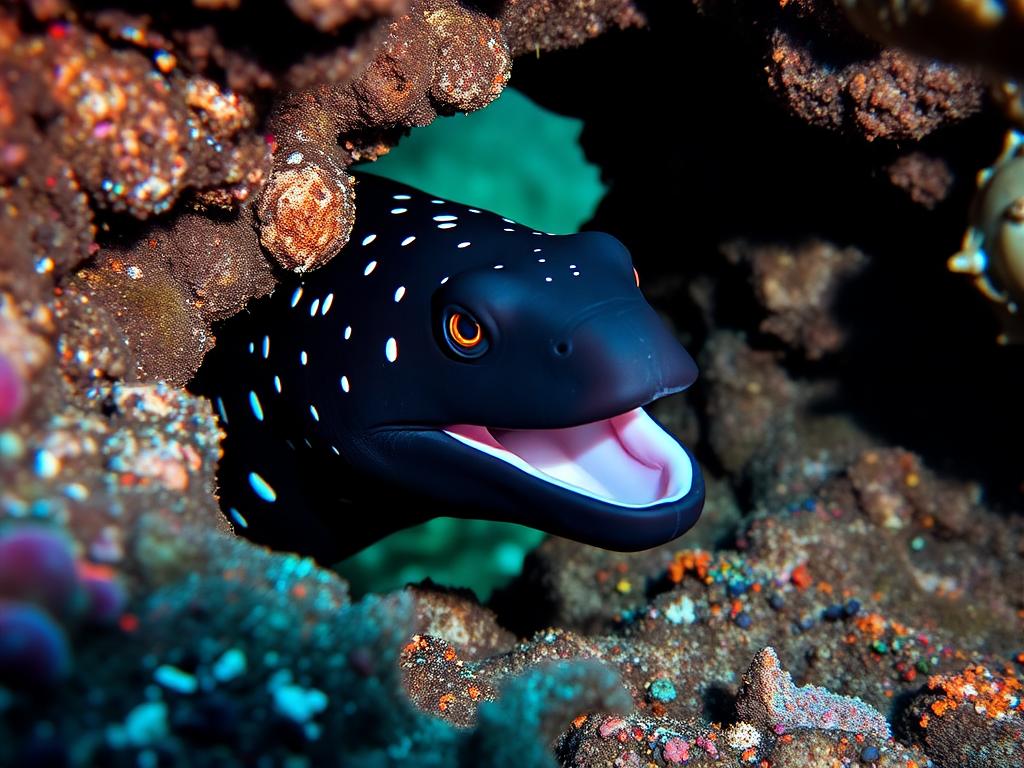
Whitemouth Moray Eel.
A dark, white-spotted moray that opens its mouth to breathe — not to threaten — and is one of the most common eels on Hawaiian reefs.
The whitemouth moray, called puhi ʻōniʻo, is one of the most frequently encountered moray eels on Hawaiian coral reefs. Its dark brown body is covered with small white spots, and its mouth interior is distinctly white — hence the common name. Like all morays, it must constantly open and close its mouth to pump water across its gills.
Despite their somewhat fearsome appearance, whitemouth morays are generally docile toward divers. They hunt at night, slithering through the reef in search of small fish, octopuses, and crustaceans. During the day they wedge themselves into crevices with only their heads protruding, gaping rhythmically to breathe.
Morays have a second set of jaws — pharyngeal jaws deep in the throat that shoot forward to grab prey and pull it down, a feature unique among vertebrates. This adaptation was only discovered in 2007 and is reminiscent of the creature in the Alien films.
In Hawaiian culture, eels (puhi) held spiritual significance. The legend of the eel-god who loved a Hawaiian maiden explains the origin of the coconut tree — the first nut bore the face of the eel.
More species in this group.
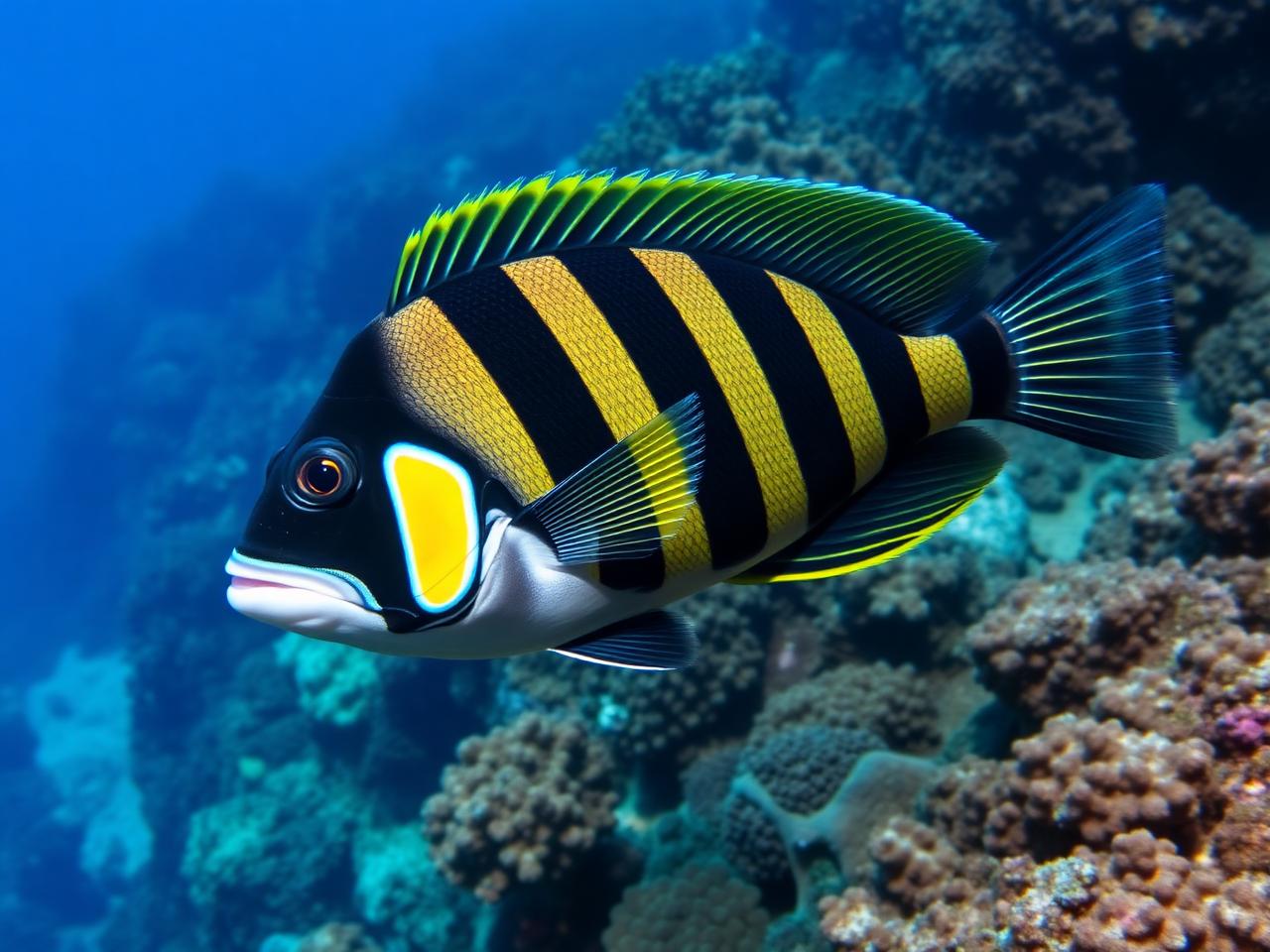
Humuhumunukunukuāpuaʻa
The reef triggerfish — Hawaiʻi's official state fish, with a name that means "fish that sews with a needle and grunts like a pig."
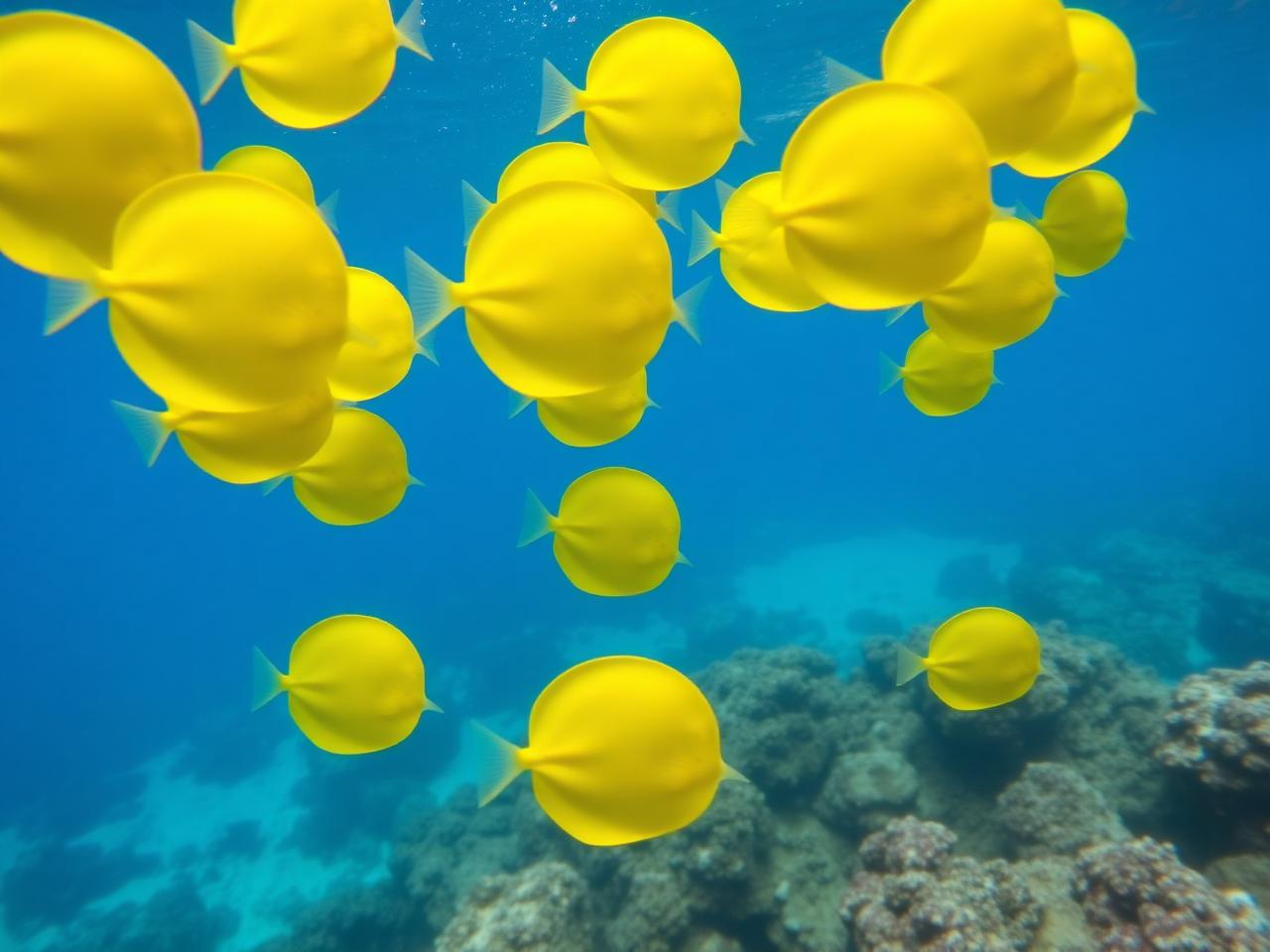
Yellow Tang
The vivid lemon-yellow surgeonfish that flashes through every Hawaiian reef — and one of the most recognizable fish in the world.
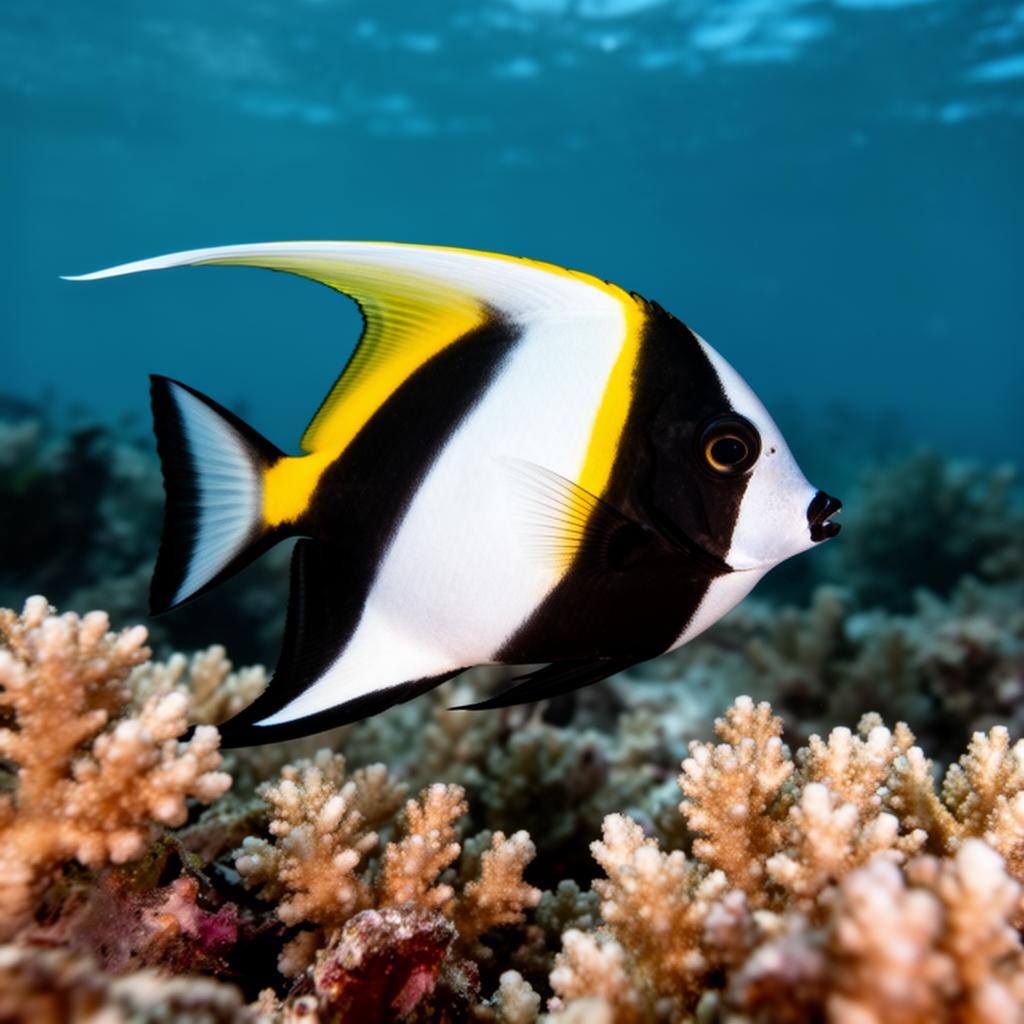
Moorish Idol
Iconic black, white and yellow reef fish with a long sweeping dorsal filament — solitary, mysterious, famously hard to keep in captivity.
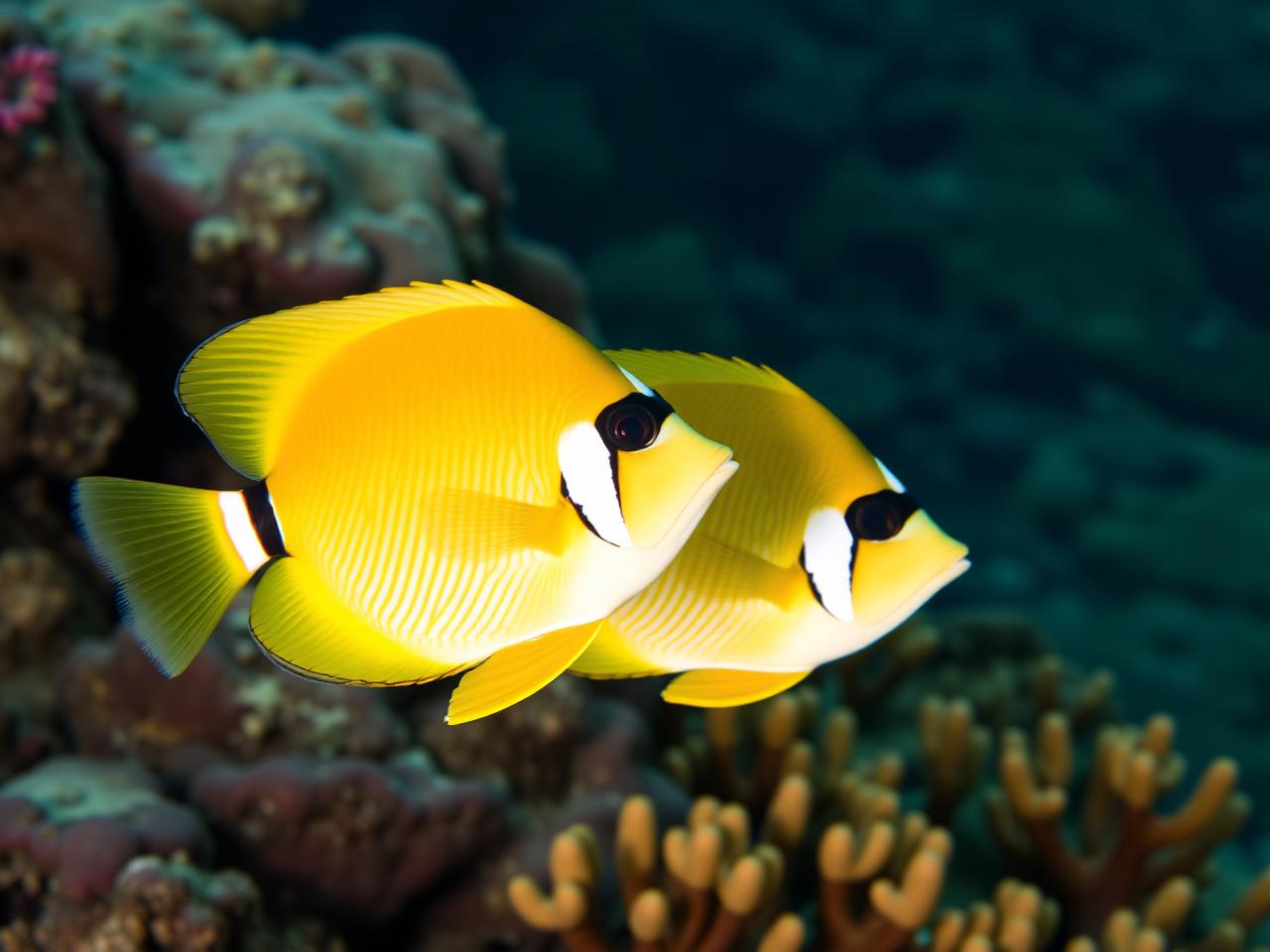
Raccoon Butterflyfish
Golden butterflyfish with a black bandit's mask. Often paired for life and one of the most common nighttime feeders on the reef.