
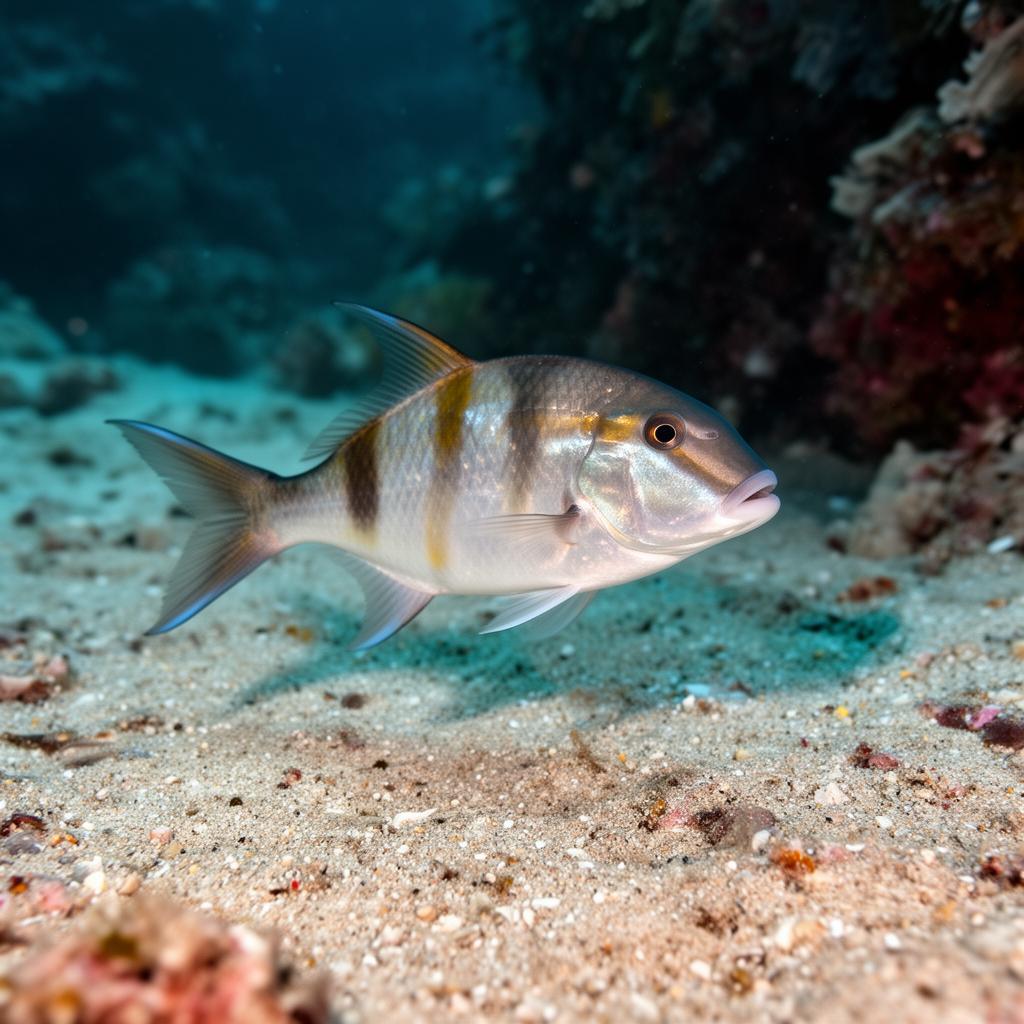
Yellowstripe Goatfish.
A sandy-bottom schooling fish with chin barbels it uses to probe the sand for hidden prey — and a species with a haunted reputation.
The yellowstripe goatfish, called weke ʻā, is one of the most common reef fish in Hawaiʻi. Schools of dozens to hundreds drift over sandy reef flats, their silvery bodies flashing a bright yellow lateral stripe. The distinguishing feature of all goatfishes is a pair of sensitive chin barbels — flexible, whisker-like appendages used to probe sand and rubble for buried crustaceans and worms.
Weke ʻā holds a unique place in Hawaiian folklore. It was believed that eating certain weke caught near reef channels could cause vivid nightmares and hallucinations — earning it the nickname 'nightmare fish.' Modern research suggests this may be related to ciguatera toxin accumulation or a psychoactive algae in the fish's diet at certain reef locations.
Goatfish are important in Hawaiian cuisine and culture. The closely related kūmū (whitesaddle goatfish) was considered a sacred offering to the gods and was required at certain religious ceremonies. Weke were also used in traditional medicine.
During the day, yellowstripe goatfish school tightly for protection, often mixing with other species. At dusk, the schools disperse and individual fish begin their nocturnal bottom-feeding, methodically sweeping their barbels across the sand like underwater metal detectors.
More species in this group.
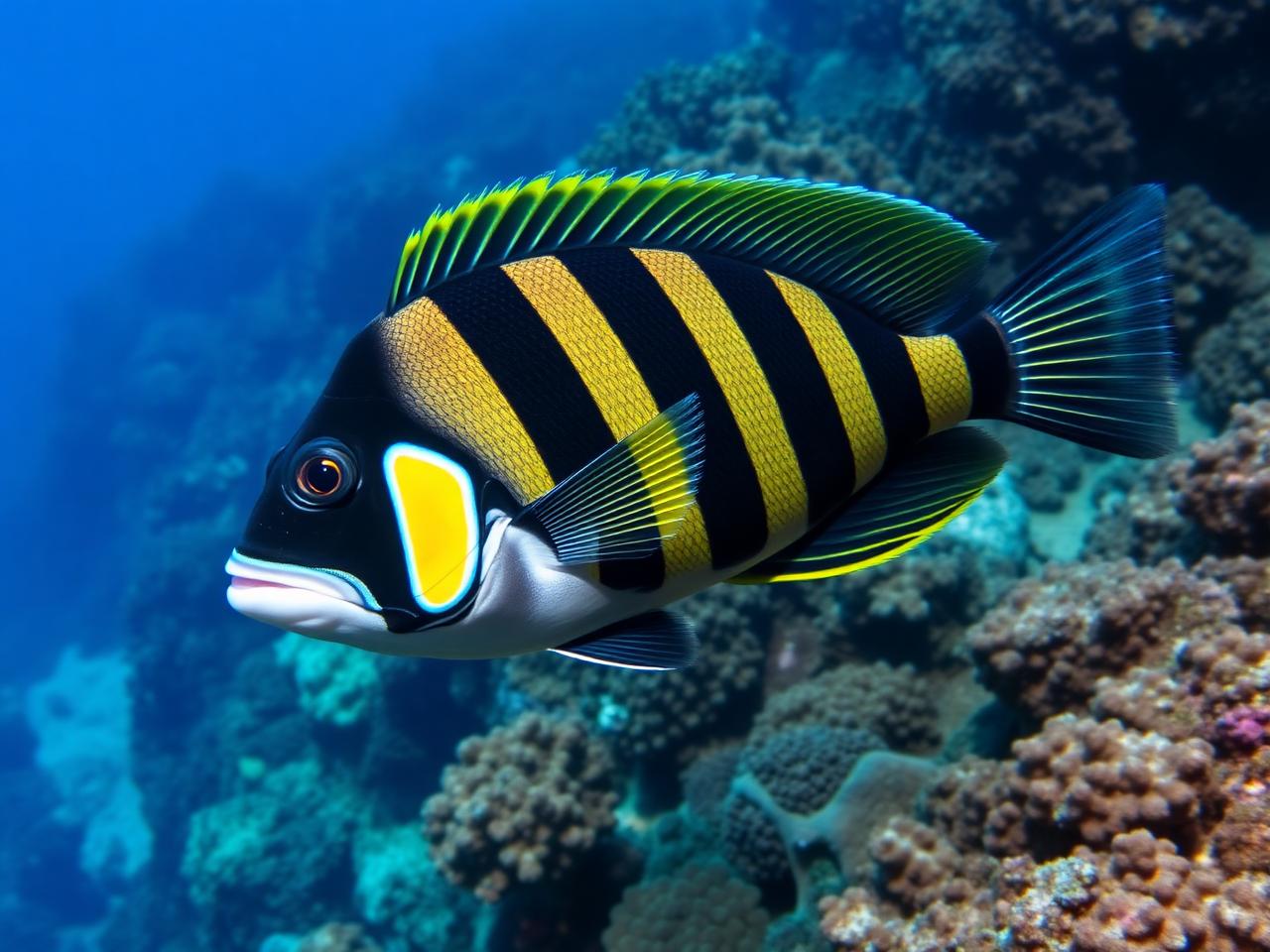
Humuhumunukunukuāpuaʻa
The reef triggerfish — Hawaiʻi's official state fish, with a name that means "fish that sews with a needle and grunts like a pig."
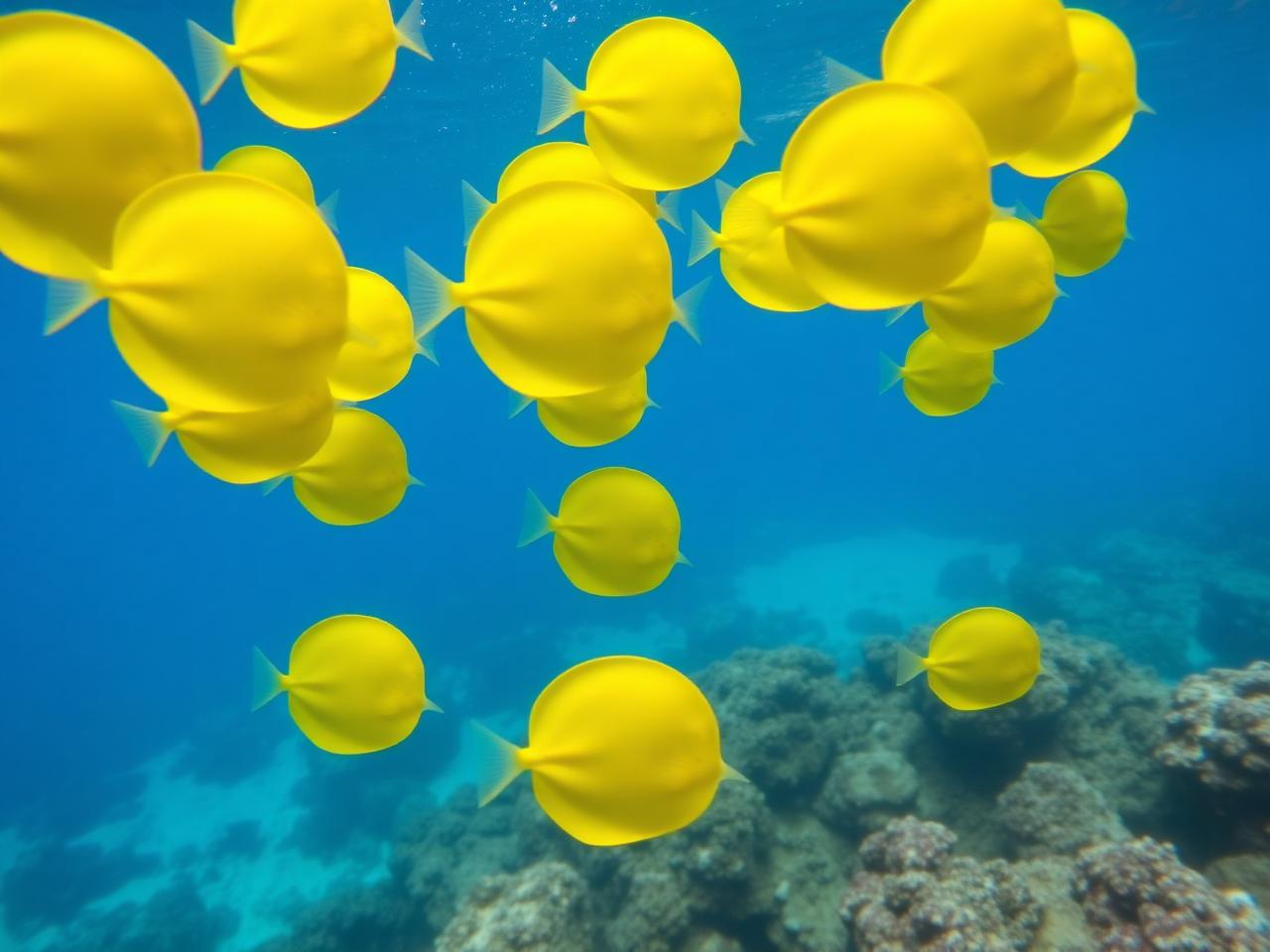
Yellow Tang
The vivid lemon-yellow surgeonfish that flashes through every Hawaiian reef — and one of the most recognizable fish in the world.
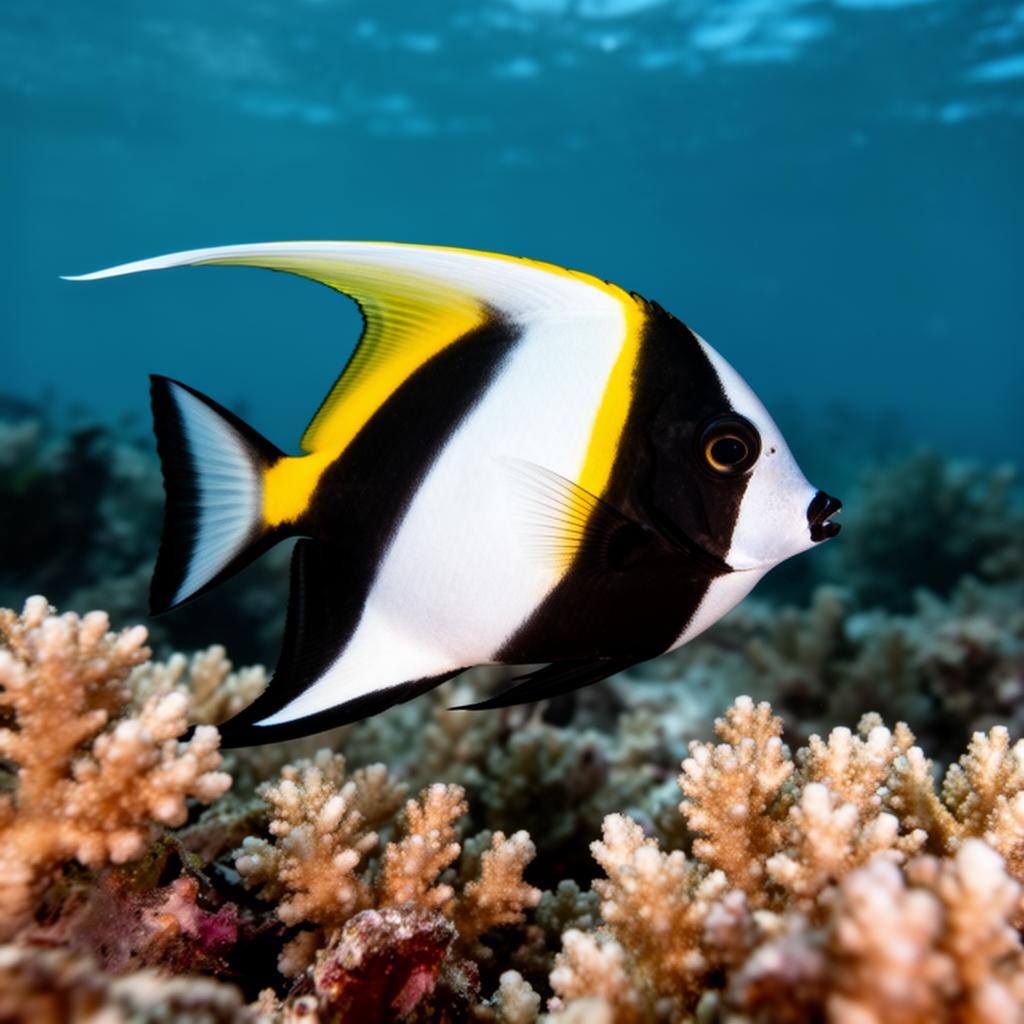
Moorish Idol
Iconic black, white and yellow reef fish with a long sweeping dorsal filament — solitary, mysterious, famously hard to keep in captivity.
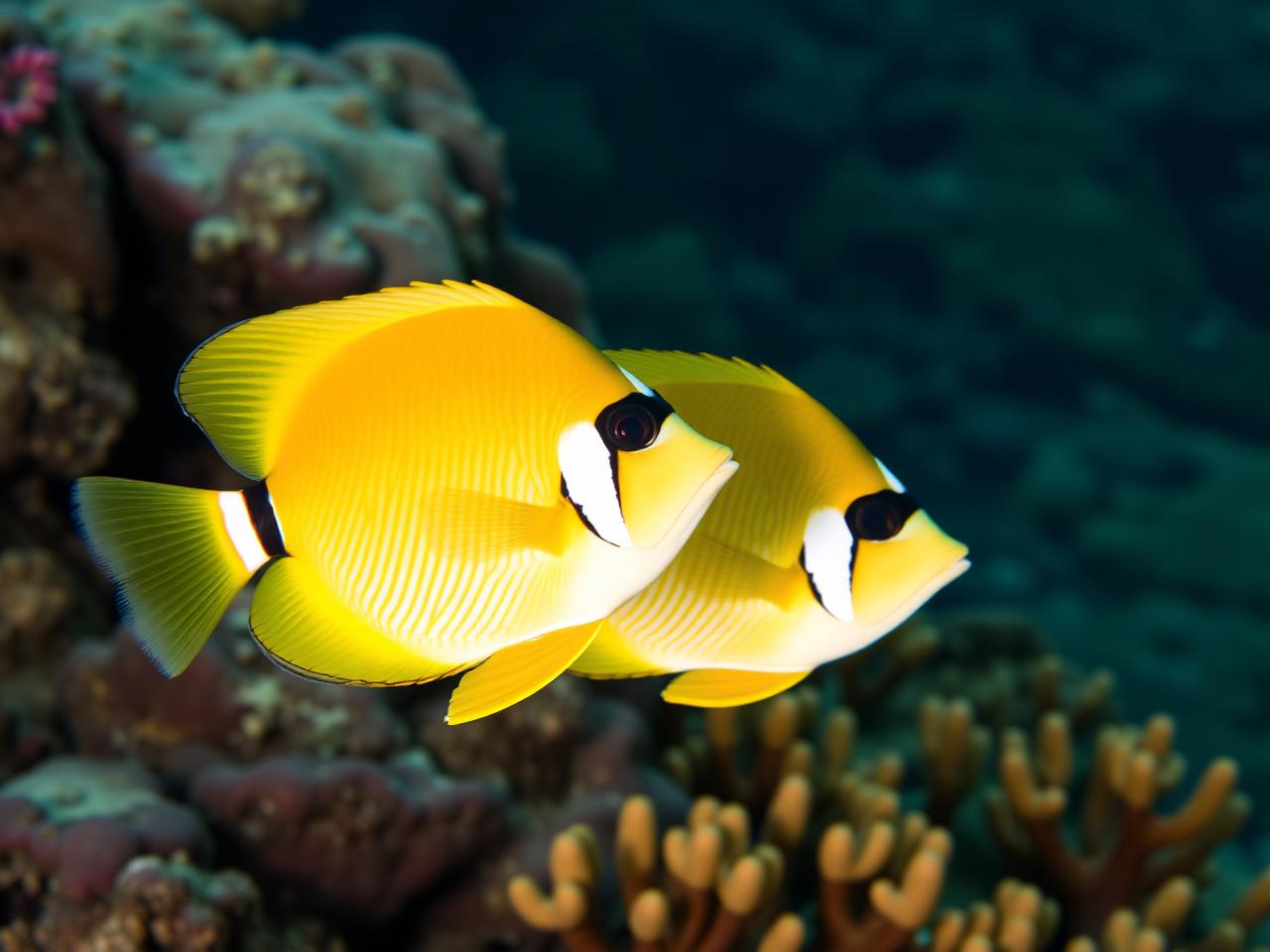
Raccoon Butterflyfish
Golden butterflyfish with a black bandit's mask. Often paired for life and one of the most common nighttime feeders on the reef.